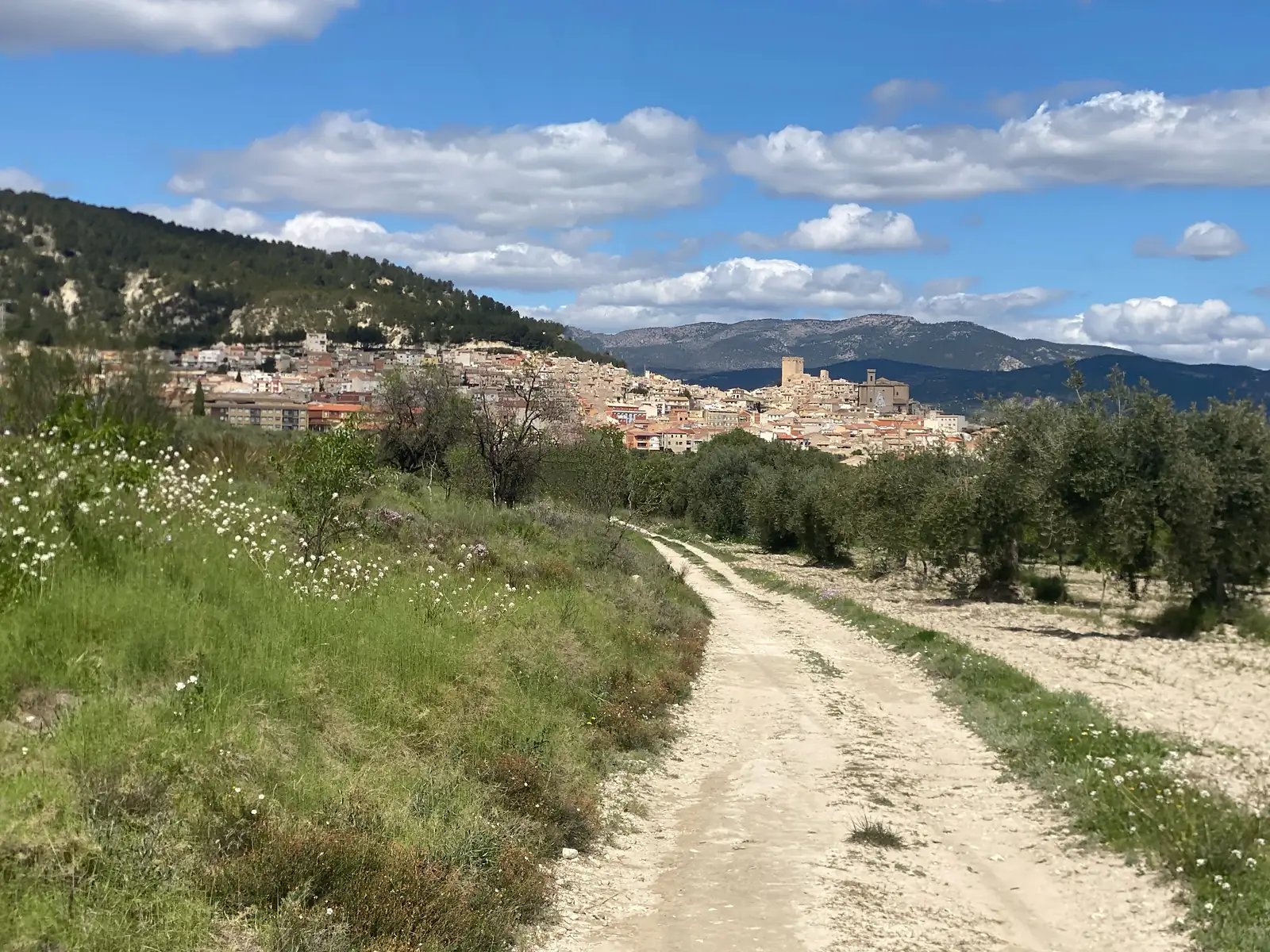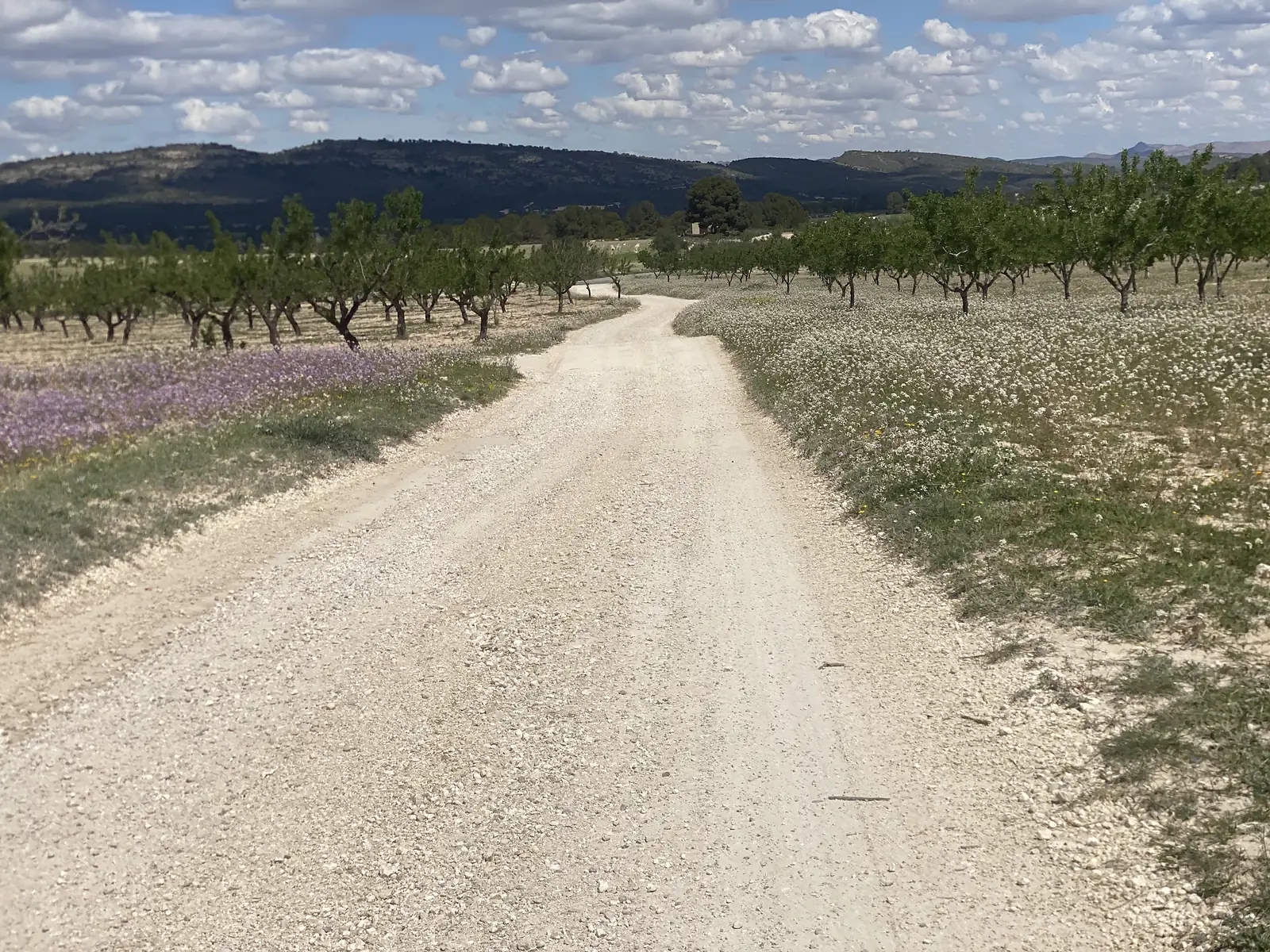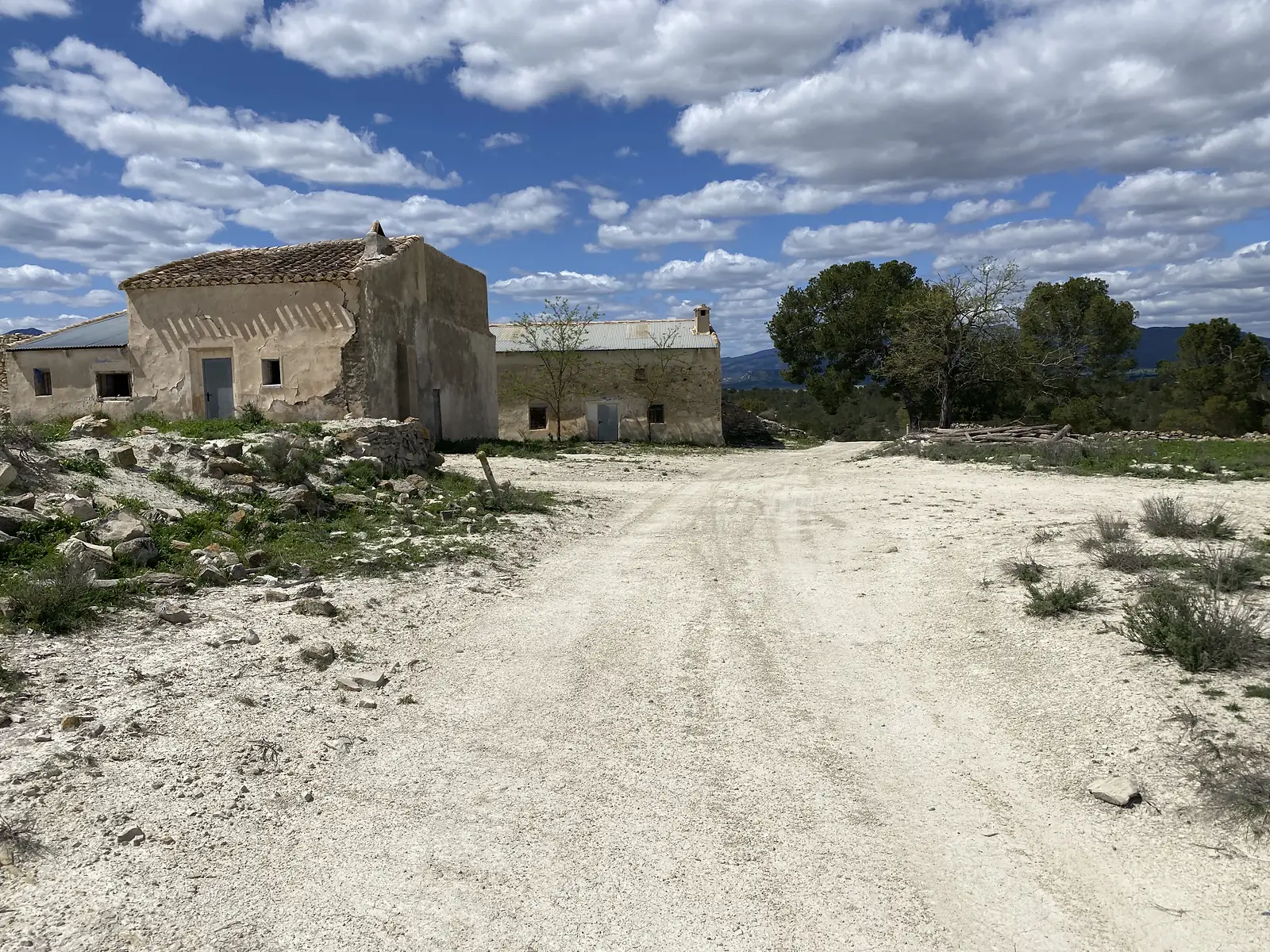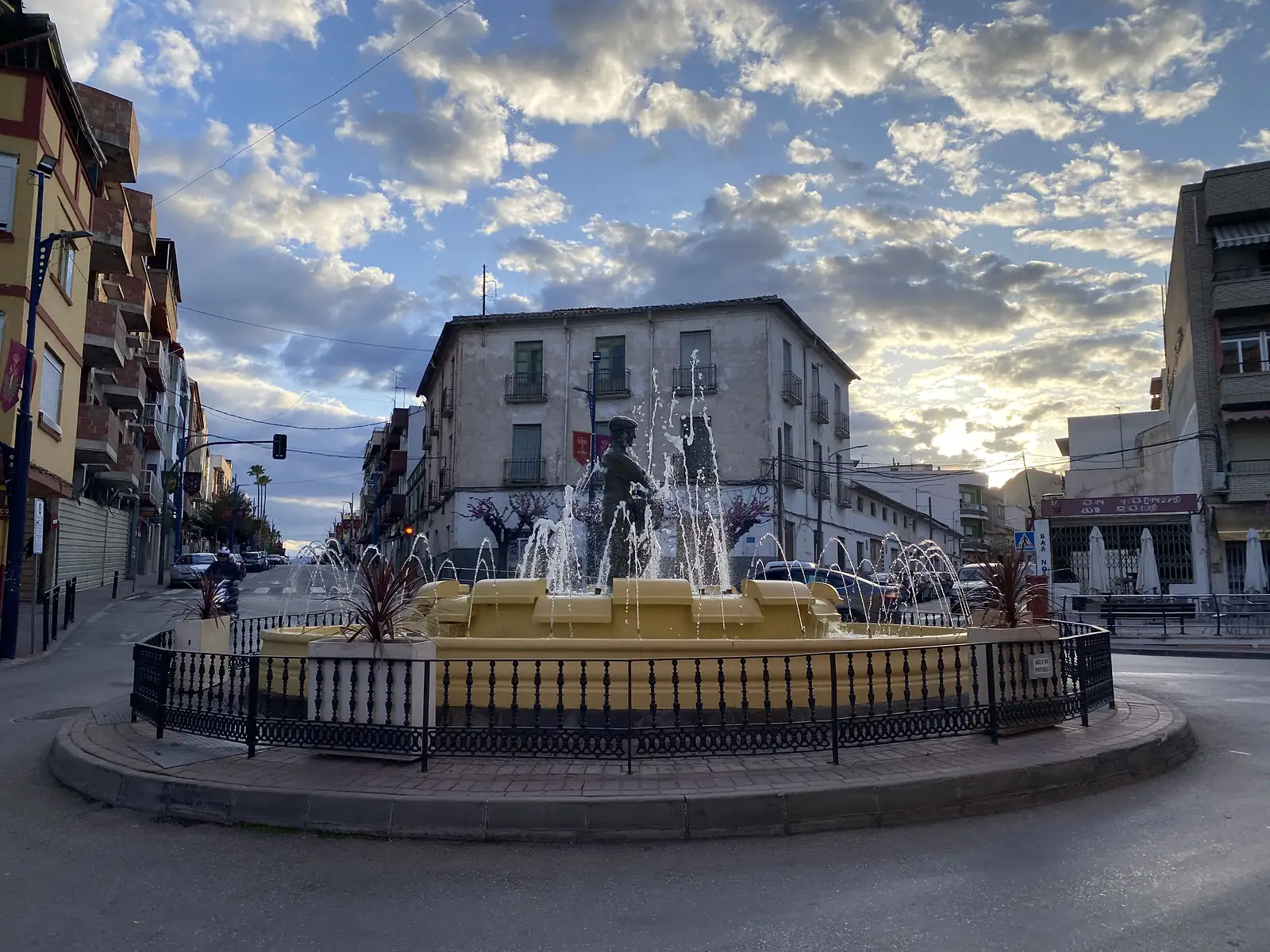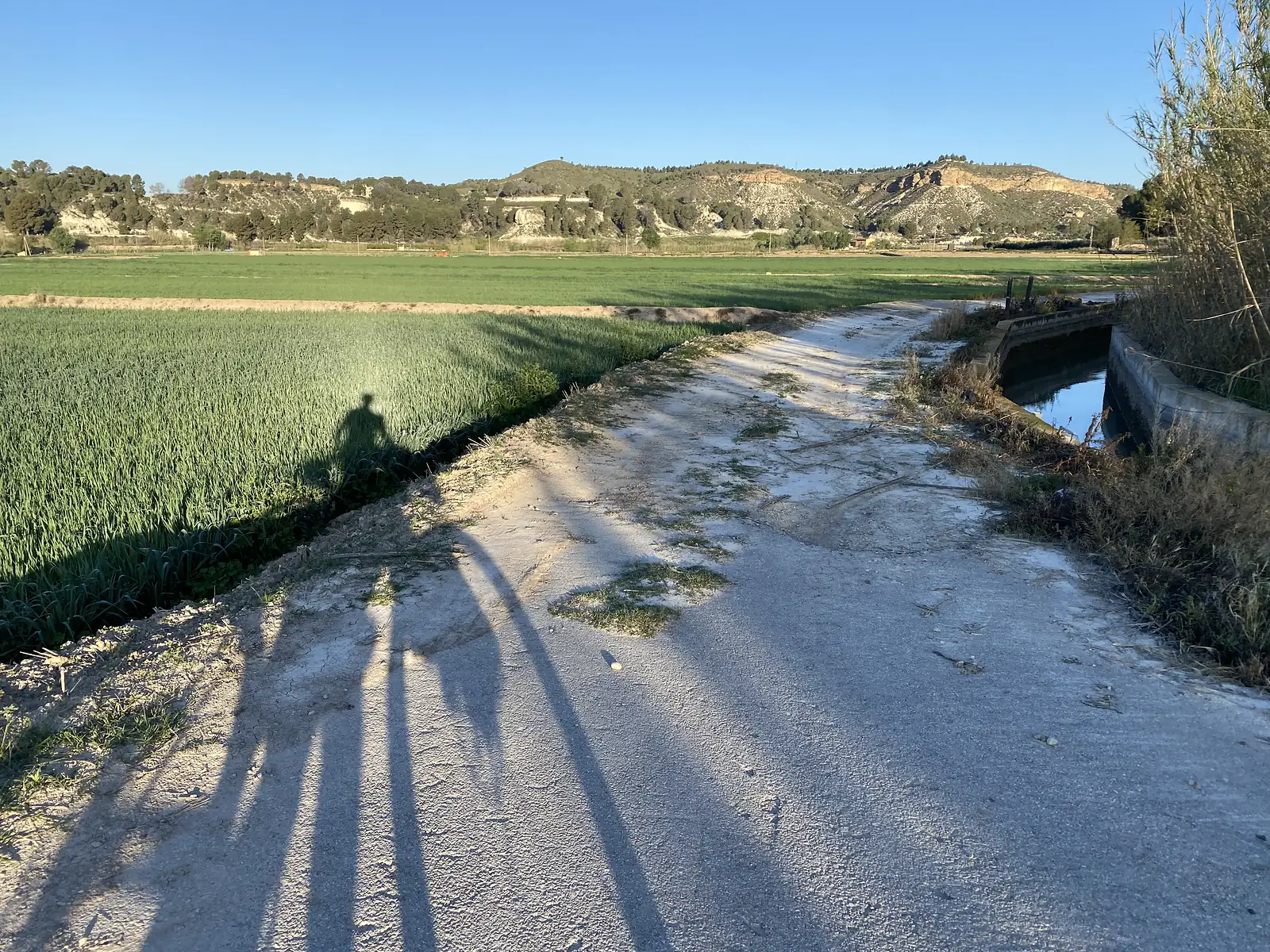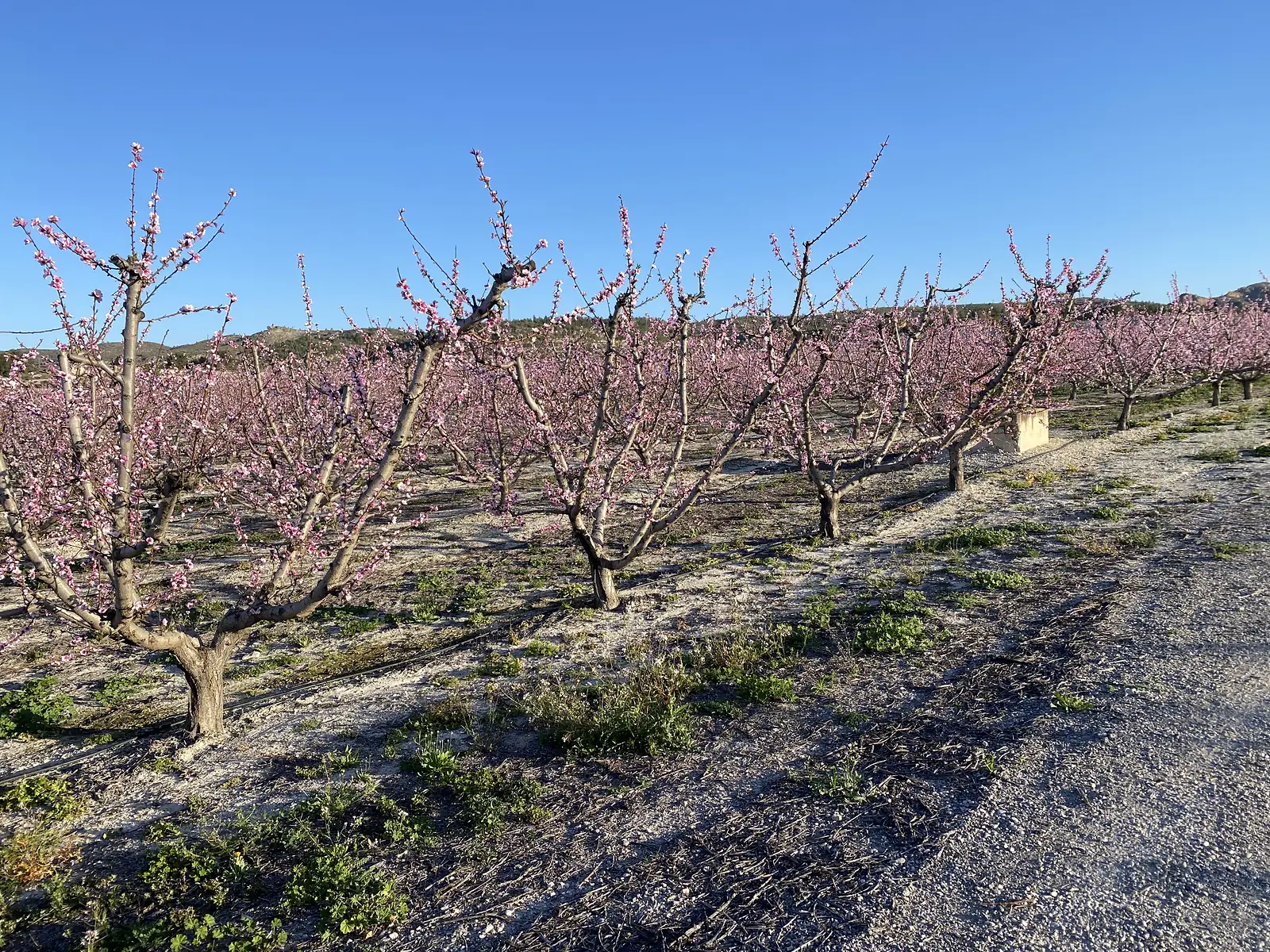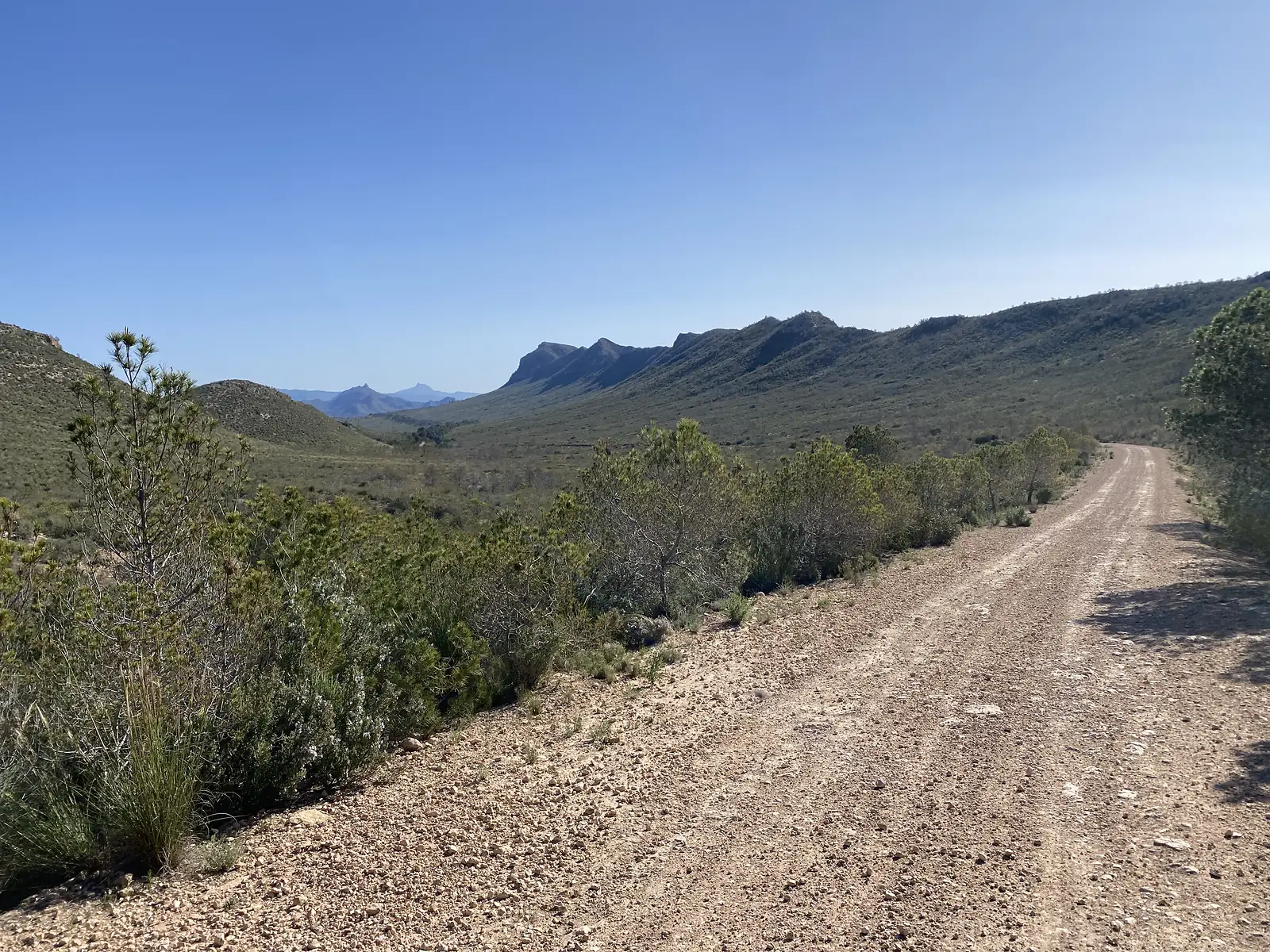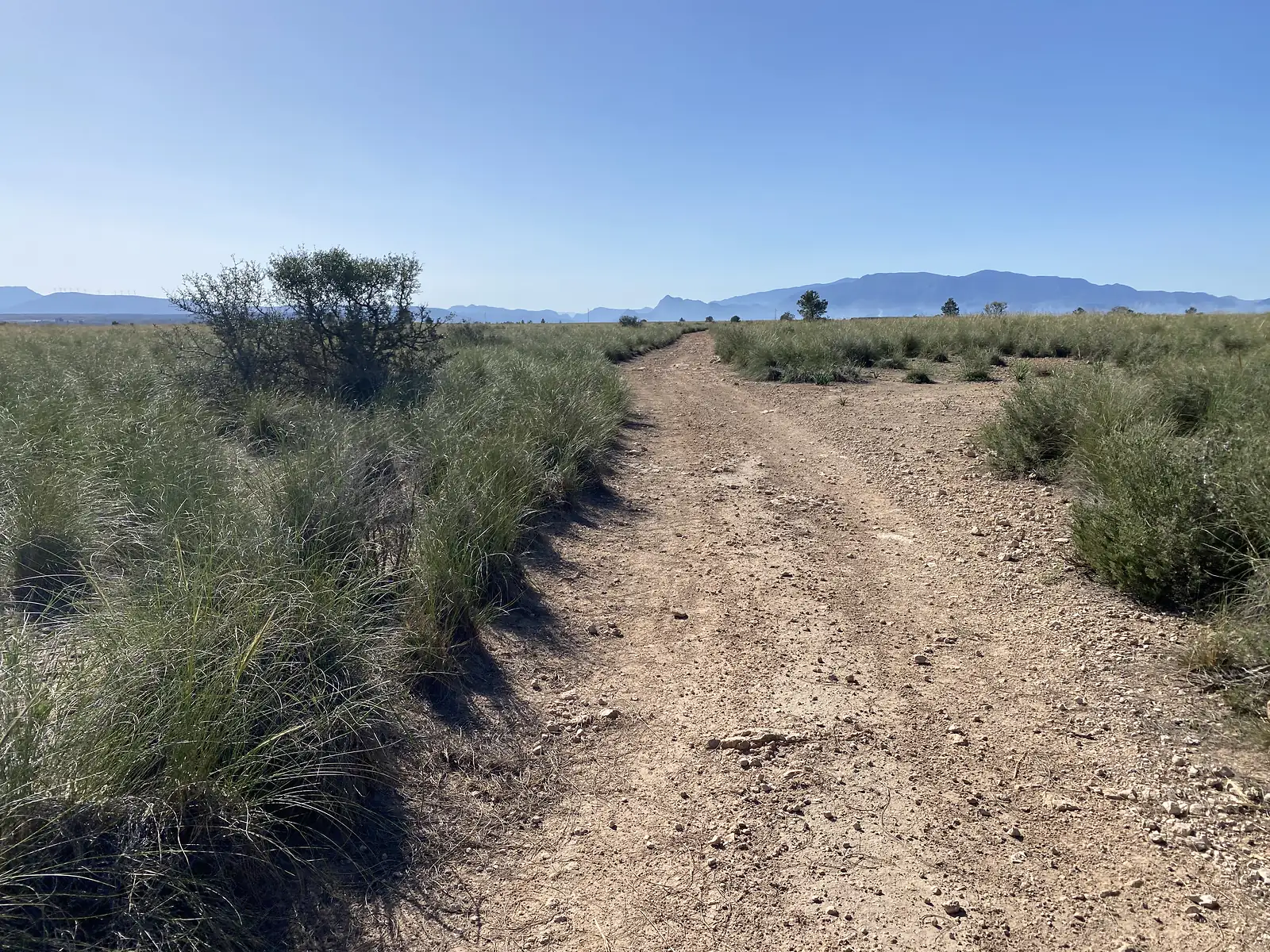
Crossing the North Murcian plateau by gravel bike.
Part 7 of my version of the European Divide Trail
Description
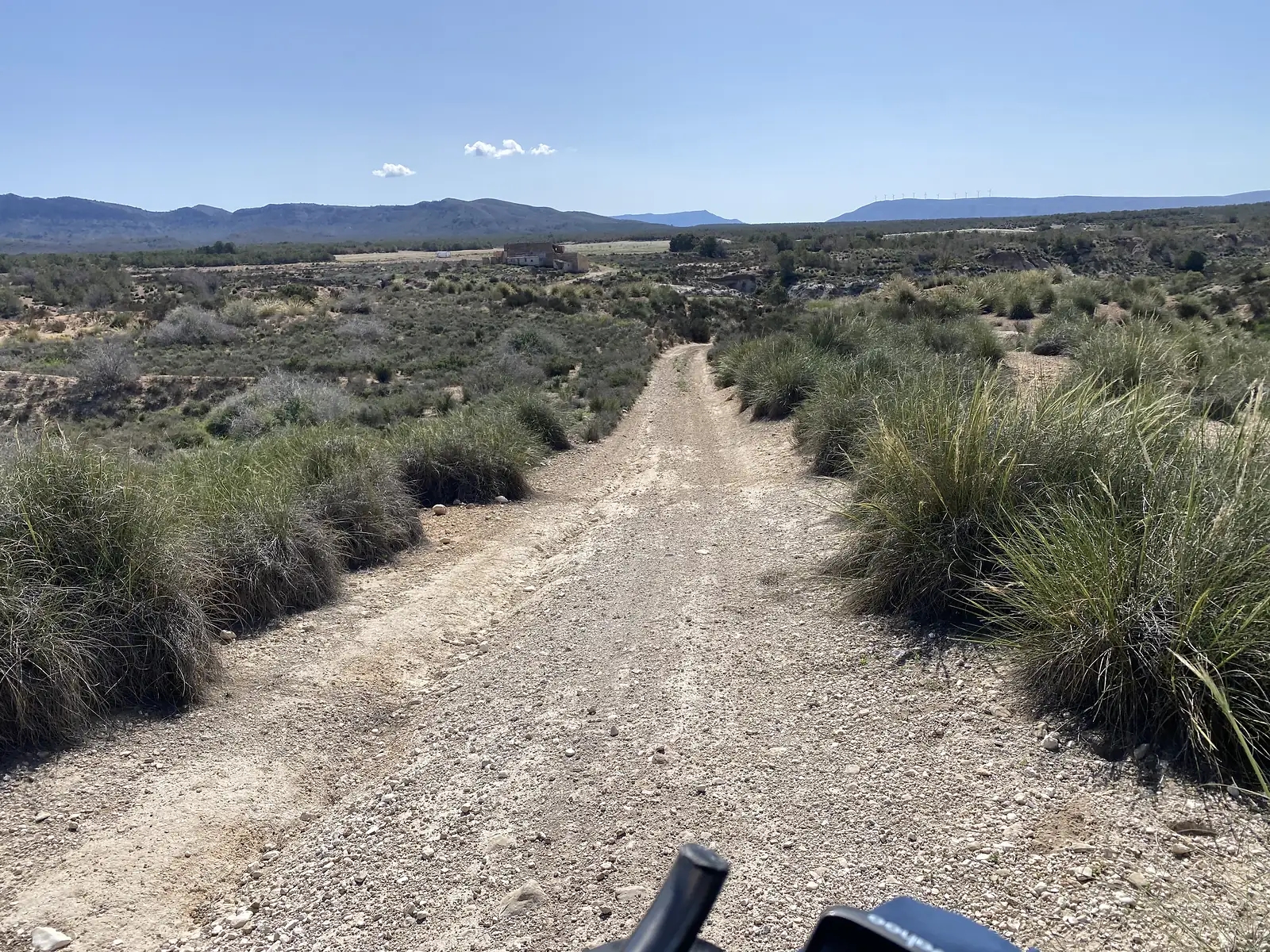
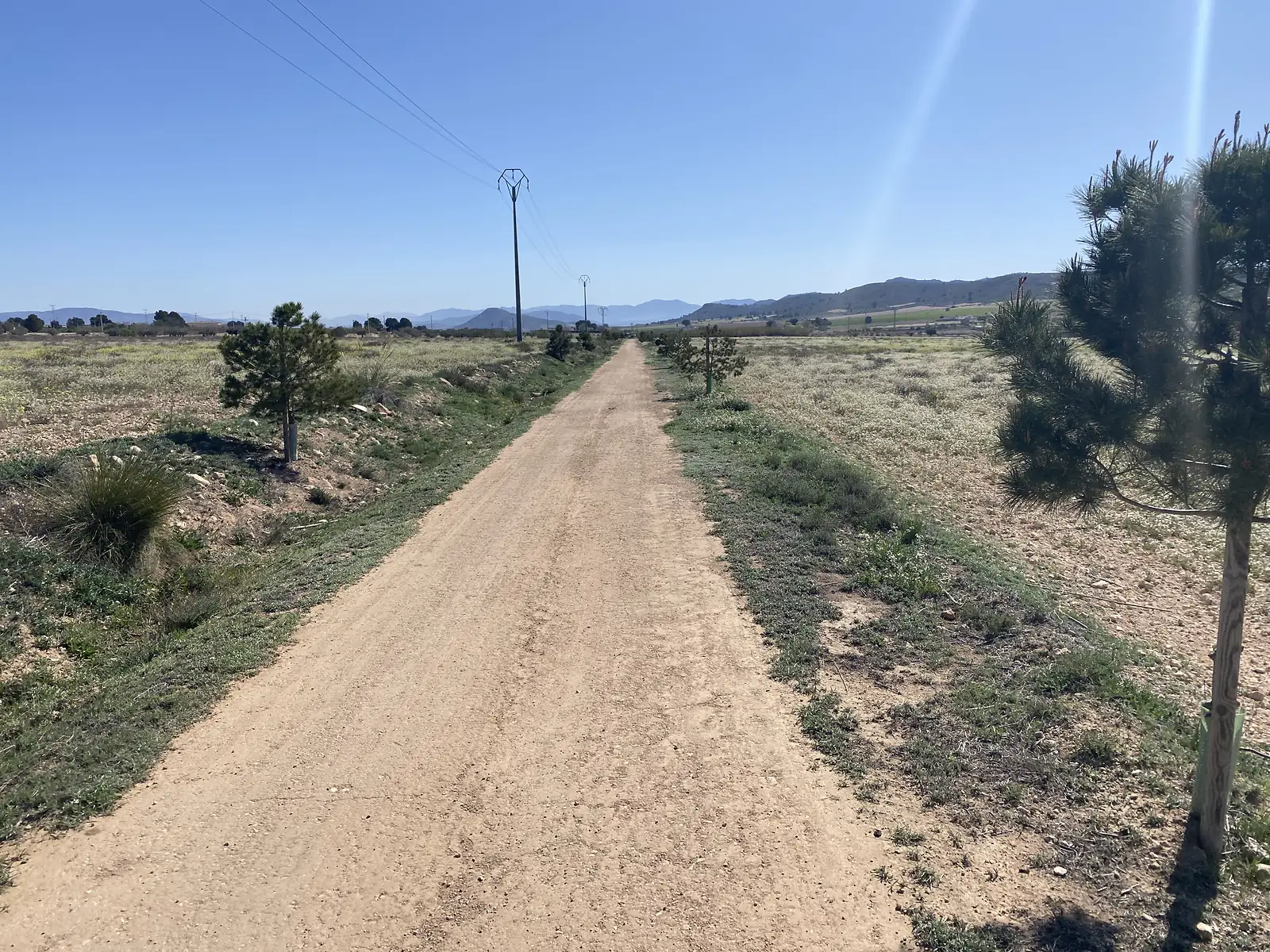
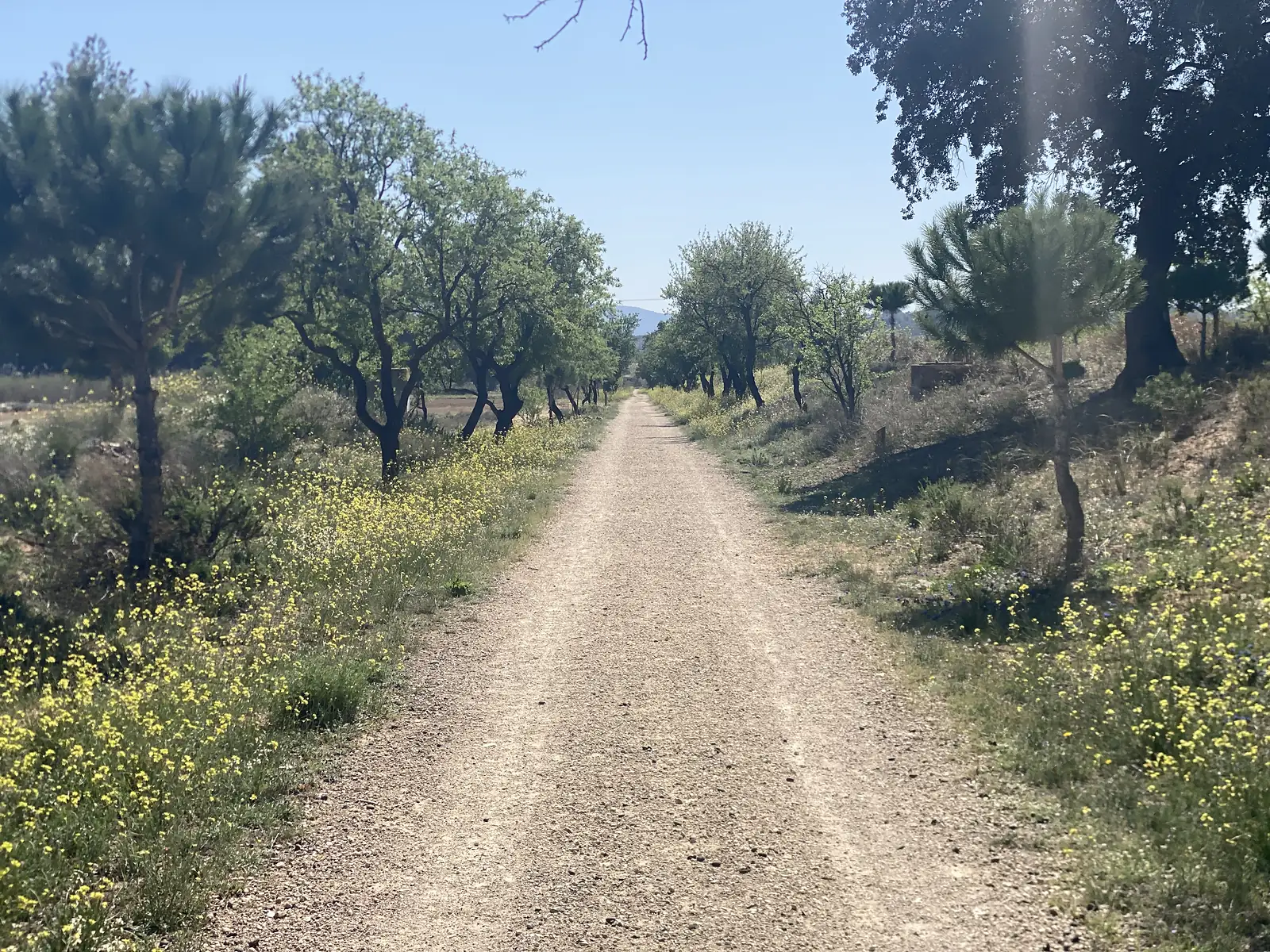
This is a relatively easy 150km double track gravel route through the stubby limestone ridges and ramblas (dry gullies) of the Prebetic System (Sierras Prebéticas). It follows the somewhat defunct “TransMurciana” mountain bike route (the link to the website is insecure so not included here) and then some classic Spanish Greenways (Via Verde).
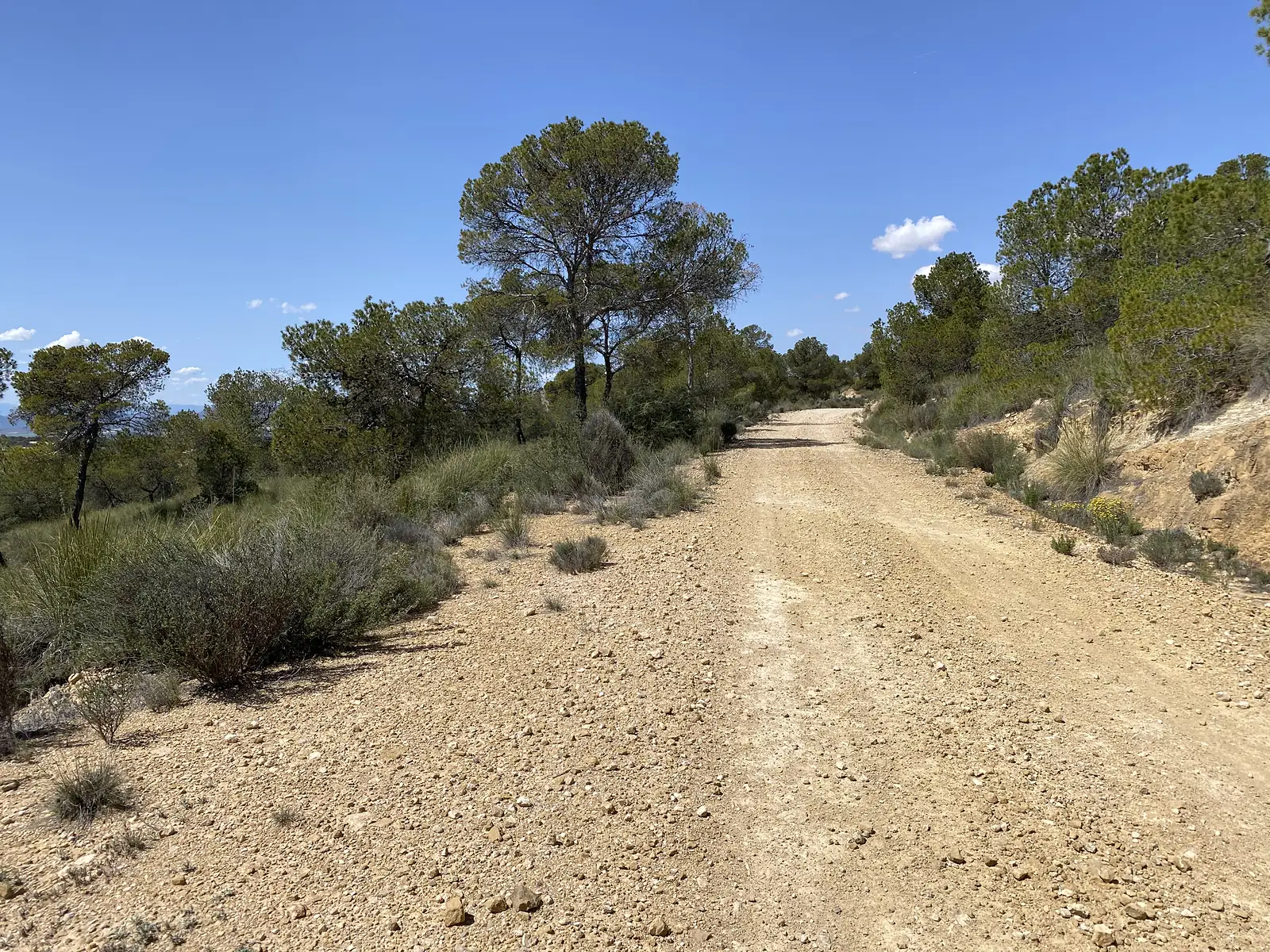
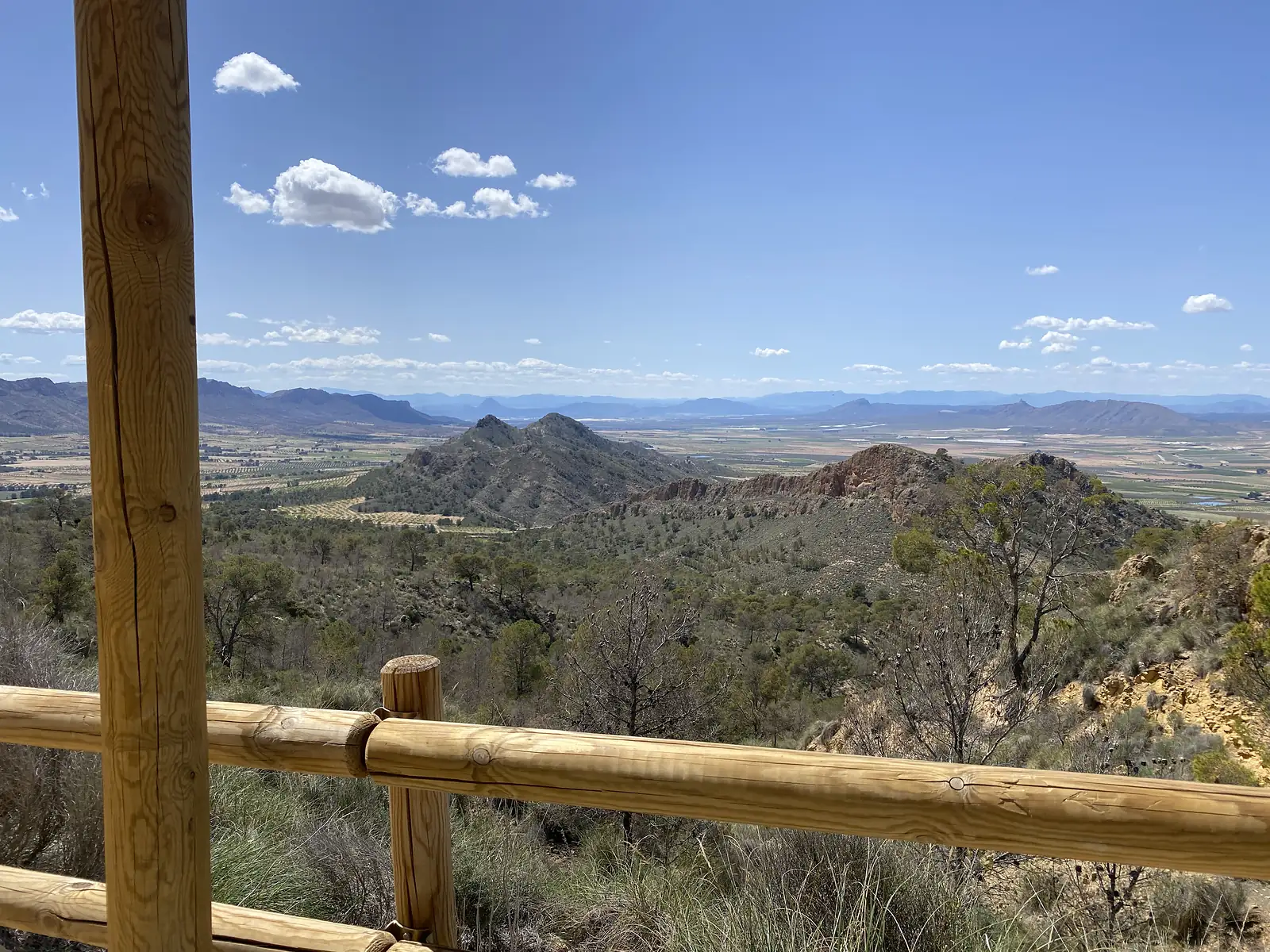
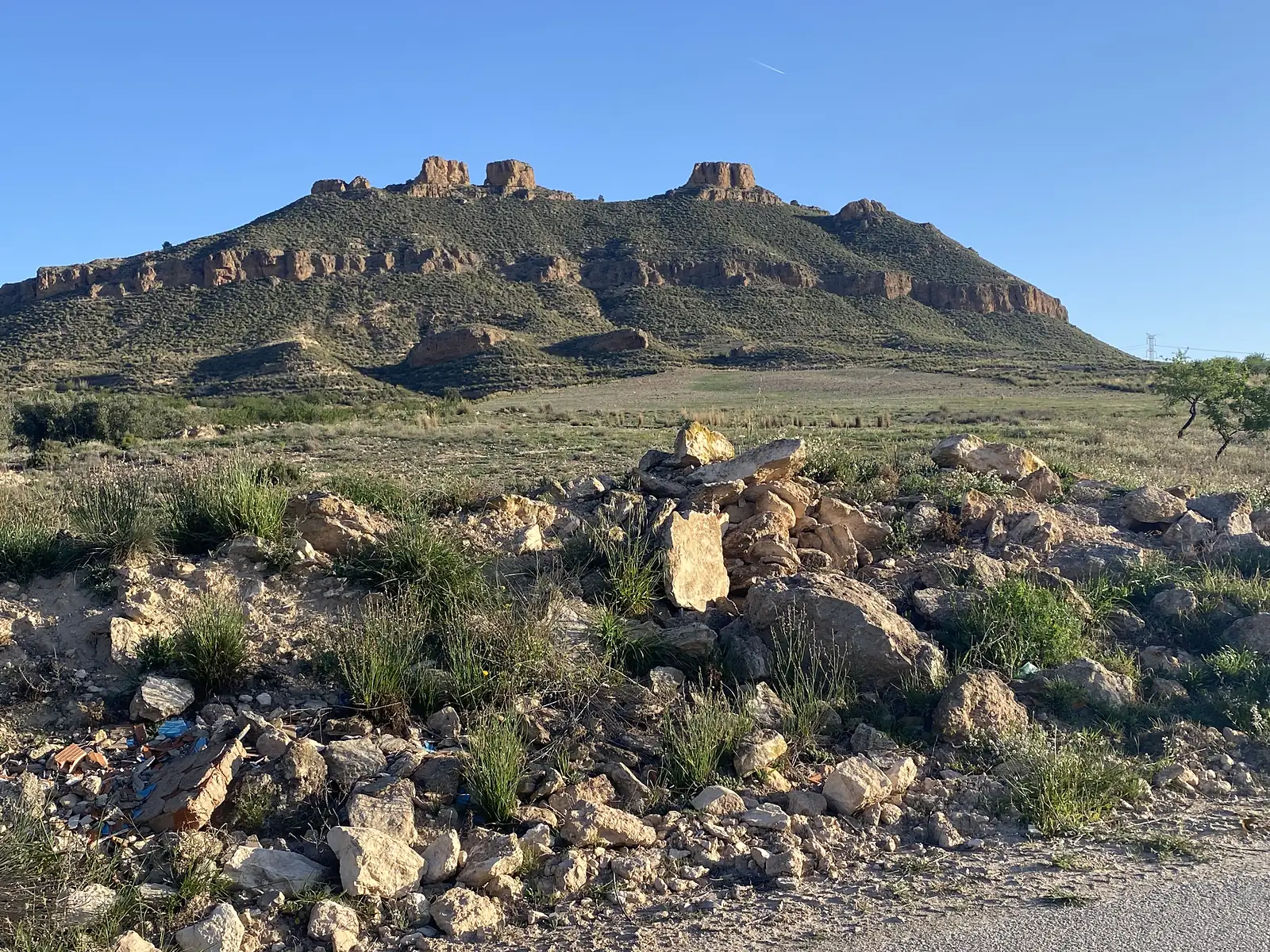
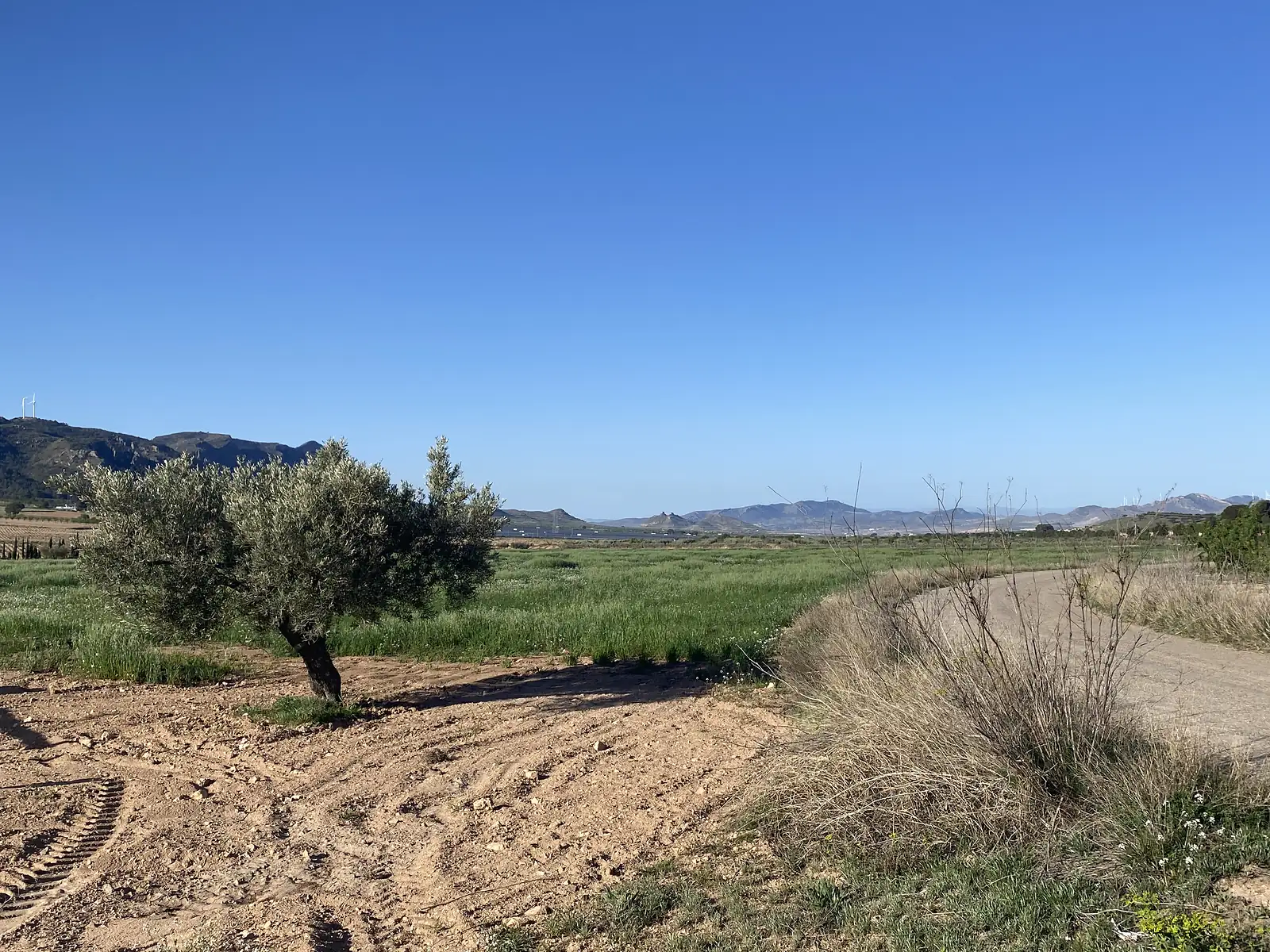
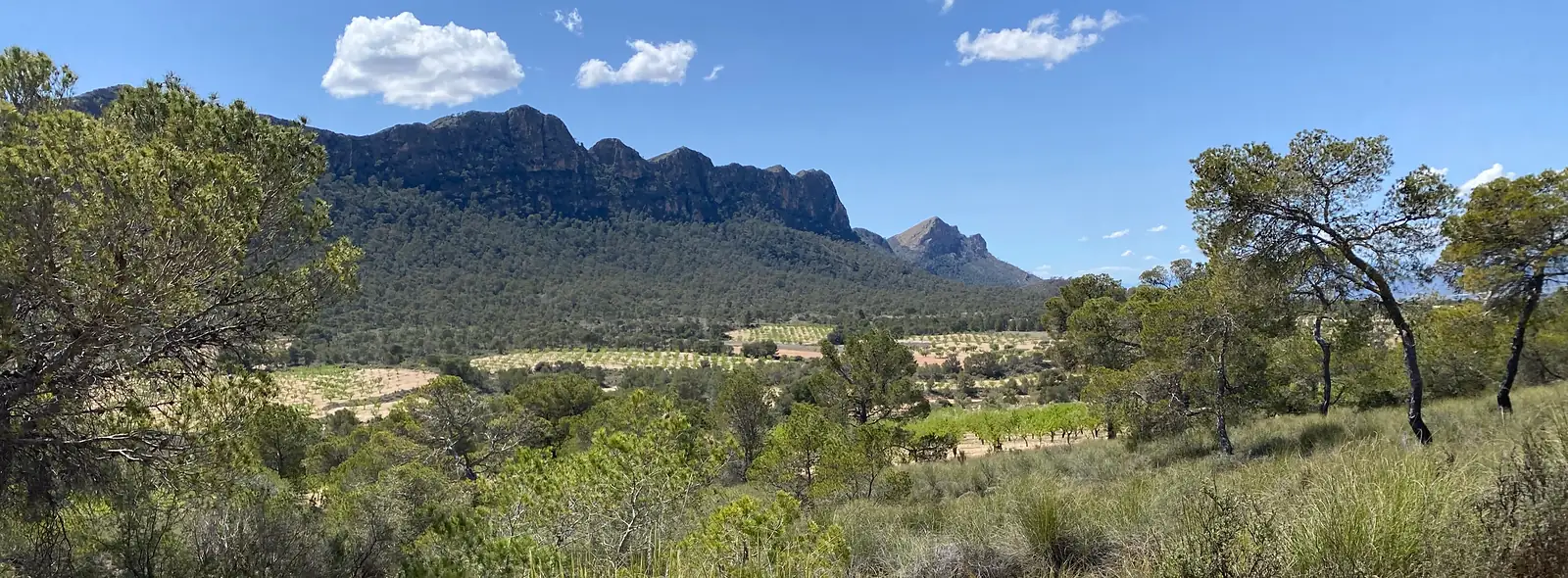
The terrain of the route is defined by the Prebaetic System (Sierras Prebéticas) - a landscape of "stubby" limestone ridges separated by broad intra-mountain basins and cut by ramblas (dry gullies). This is the "forgotten" high plateau running across the north of Murcia, the Altiplano.
The route out of Moratalla is through cherry and almond orchards on gravel tracks towards Calasparra, where you’ll see the famous rice fields.
After Calasparra comes the first limestone ridge, through the Sierra de la Cabeza del Asno wilderness and then onto the plains where the only supplies you’ll find are at an isolated Repsol petrol station.
From there, you’re still on the TransMuciana but also an old railway line for a while. There’s a few possibilities for transitioning over to the next ridge, the Sierra Larga but they boil down to:
Shortcuts through various ramblas (see “Feral dogs” below) or taking the slightly longer route on more signposted and asphalt paths/roads.
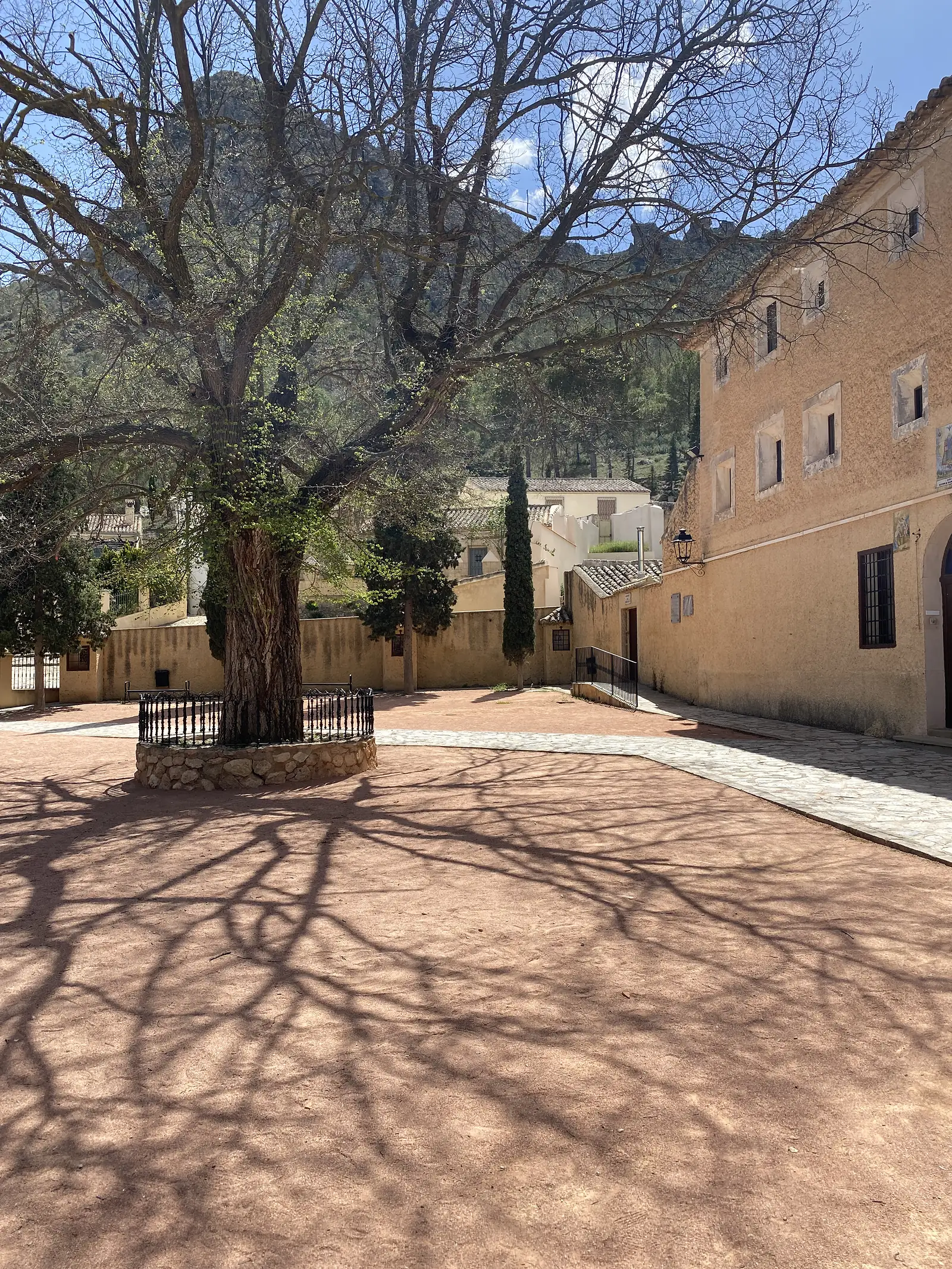
You’ll slowly gain height through the Sierra Larga until you switch over to ascend Monte de Santa Ana, with its monastery at the top. Great views back over the plains.
Its then a very quick downhill into Jumilla on “kind of” cycle paths alongside the road.
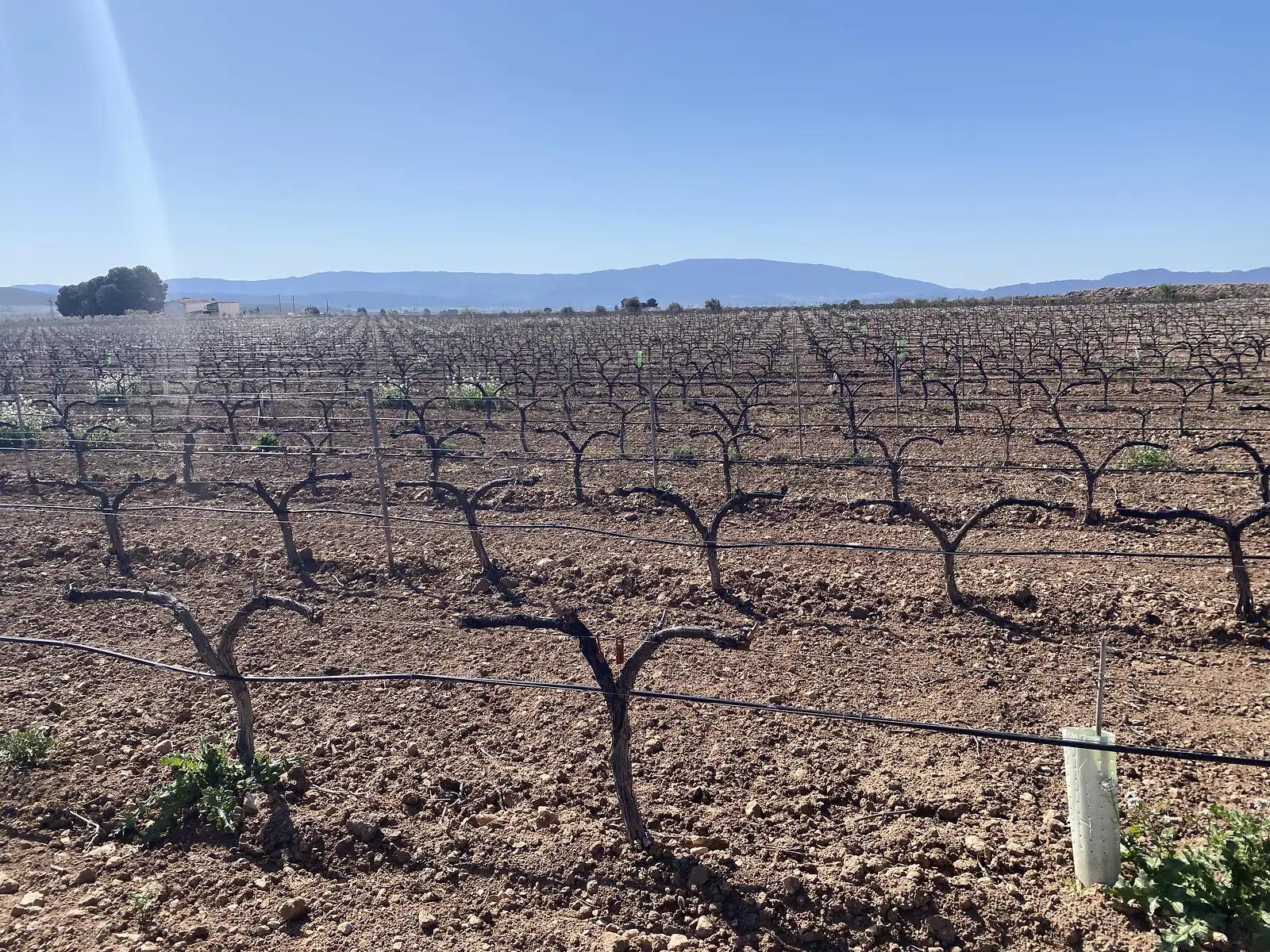
There’s a quiet road out of Jumilla and then its some gravel and other quiet roads into Yecla. You’ll see the agriculture change from the vast fields of salad before Jumilla to the Monastrel grapes between Jumilla and Yecla.
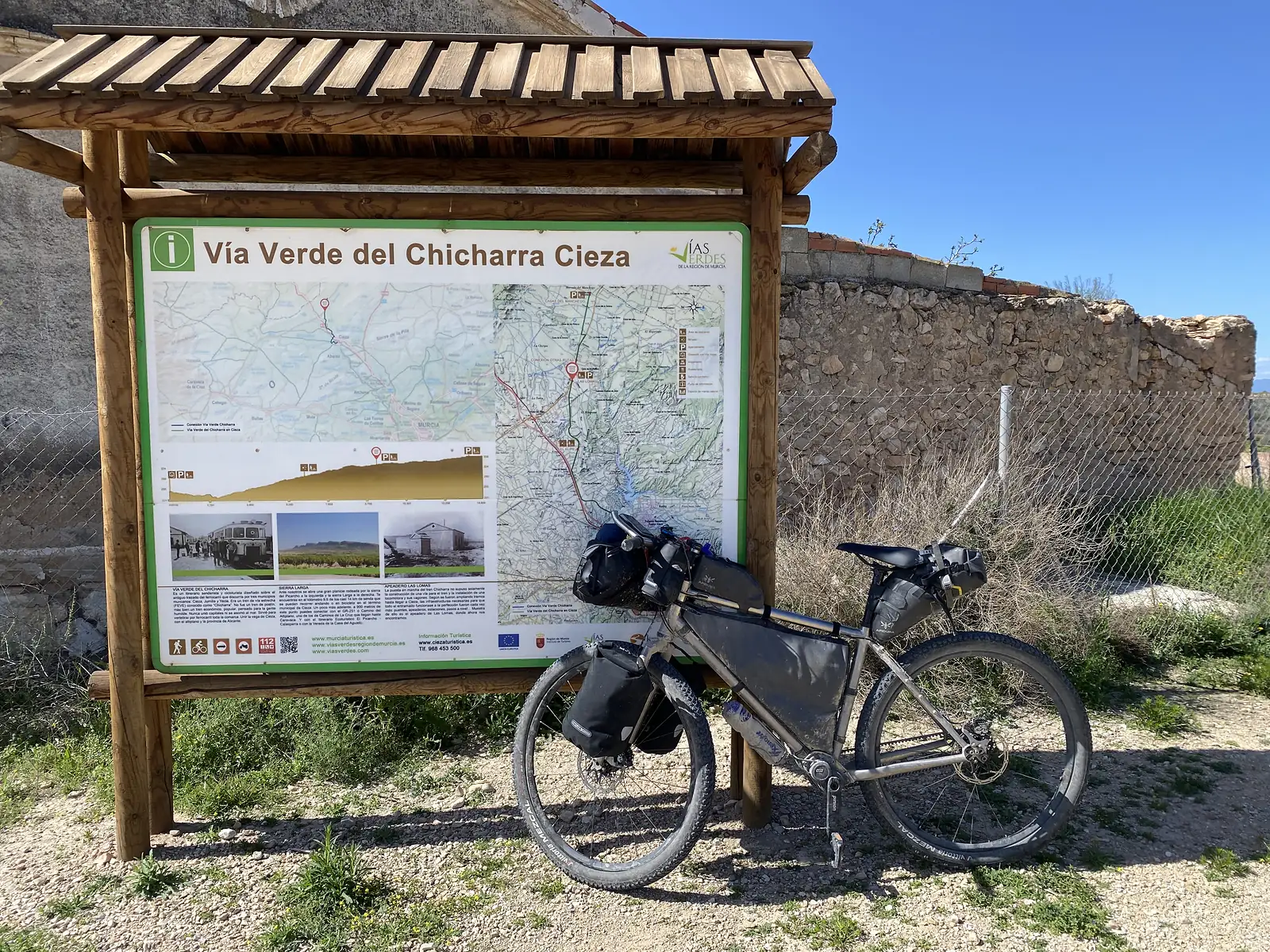
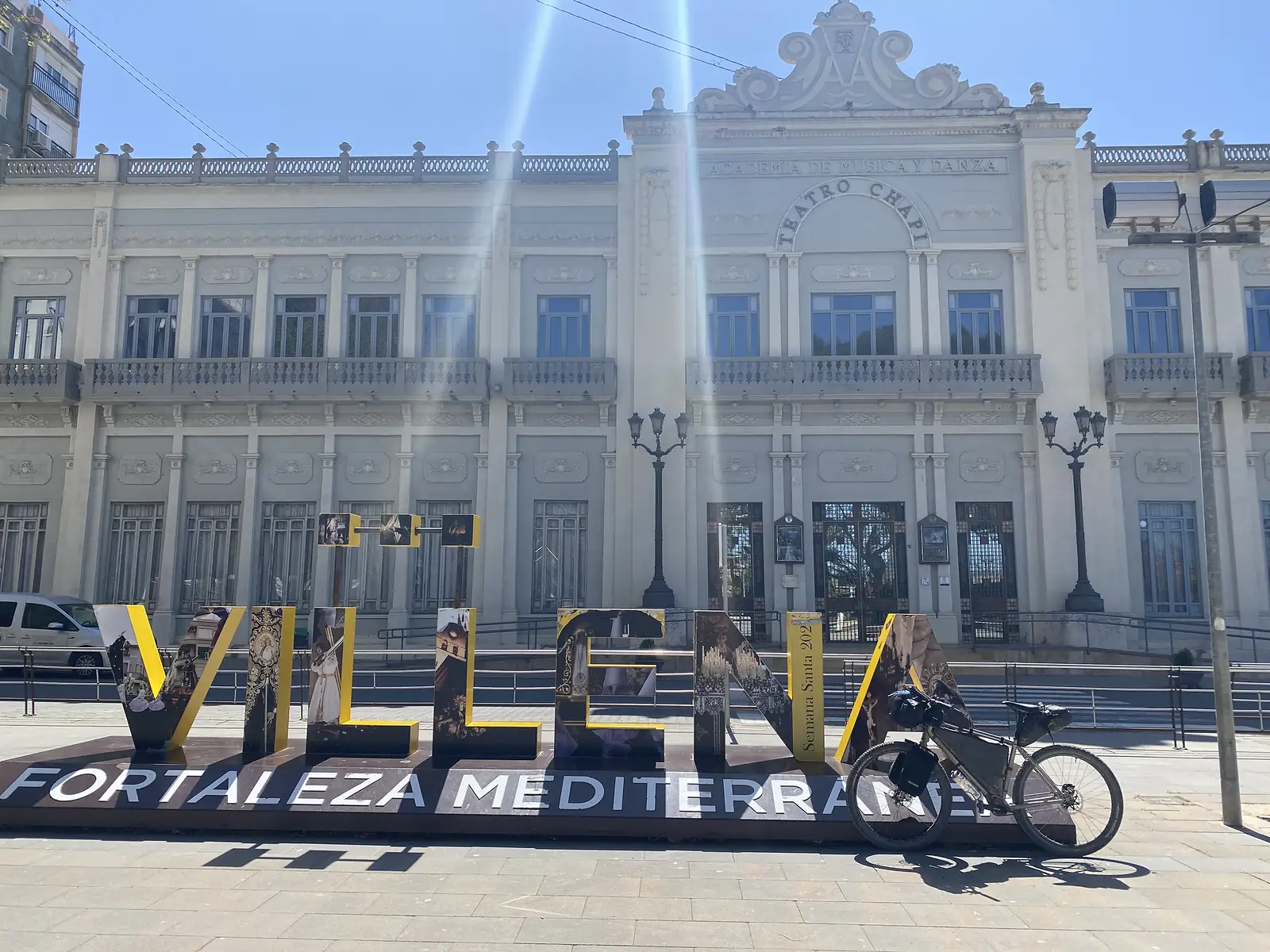
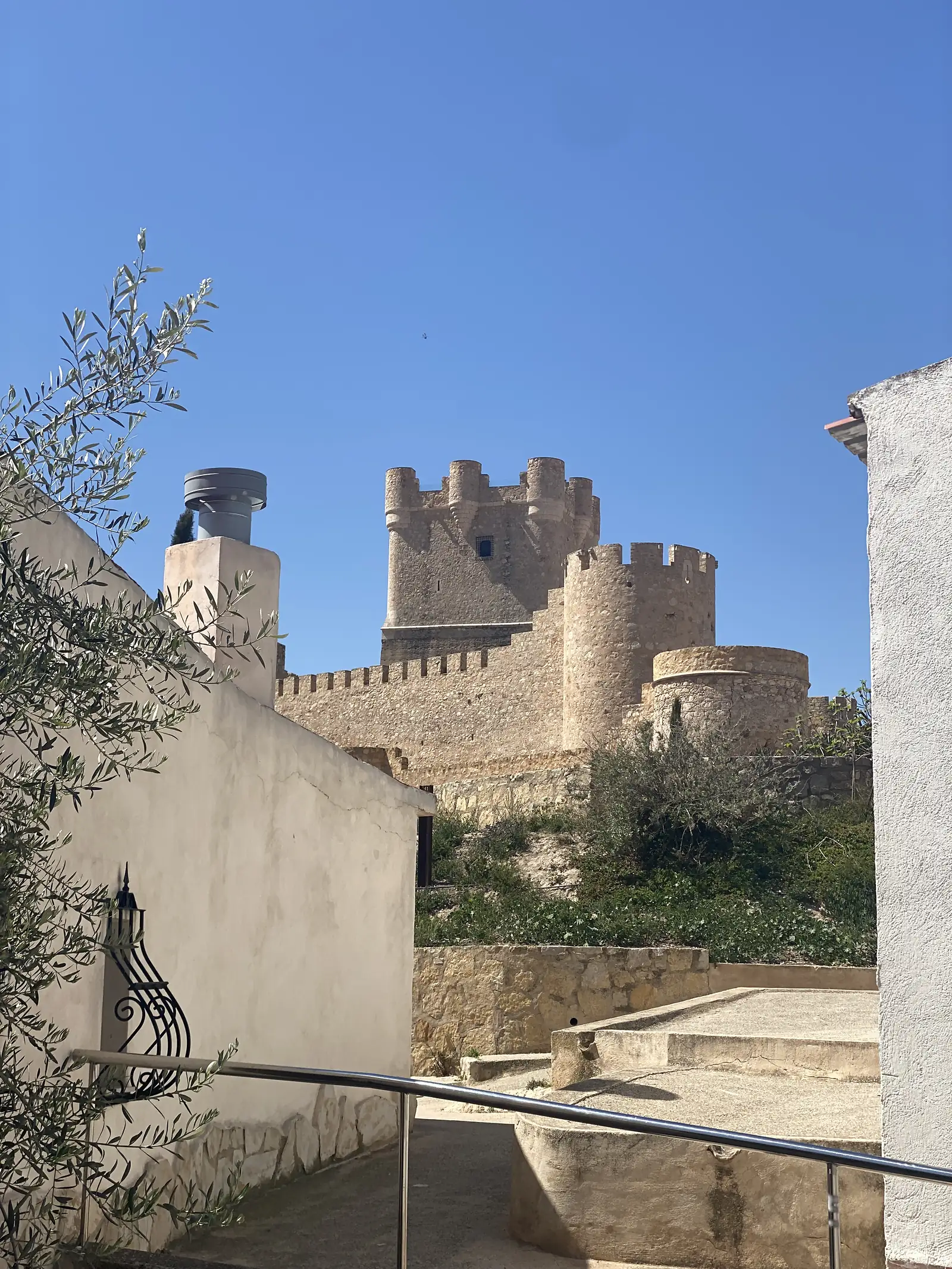
The final leg connects Yecla to Villena, largely utilising the Vía Verde del Chicharra. This disused railway line offers a flat, easy finish into Villena, a busy town that feels much more developed than the others on the route.
Highlights
- The geology. The unique "stubby" ridges and dry gullies of the Altiplano with the occasional sandstone mesa thrown in.
- Calasparra rice: Riding past the fields of one of only three Spanish rices with a Protected Designation of Origin.
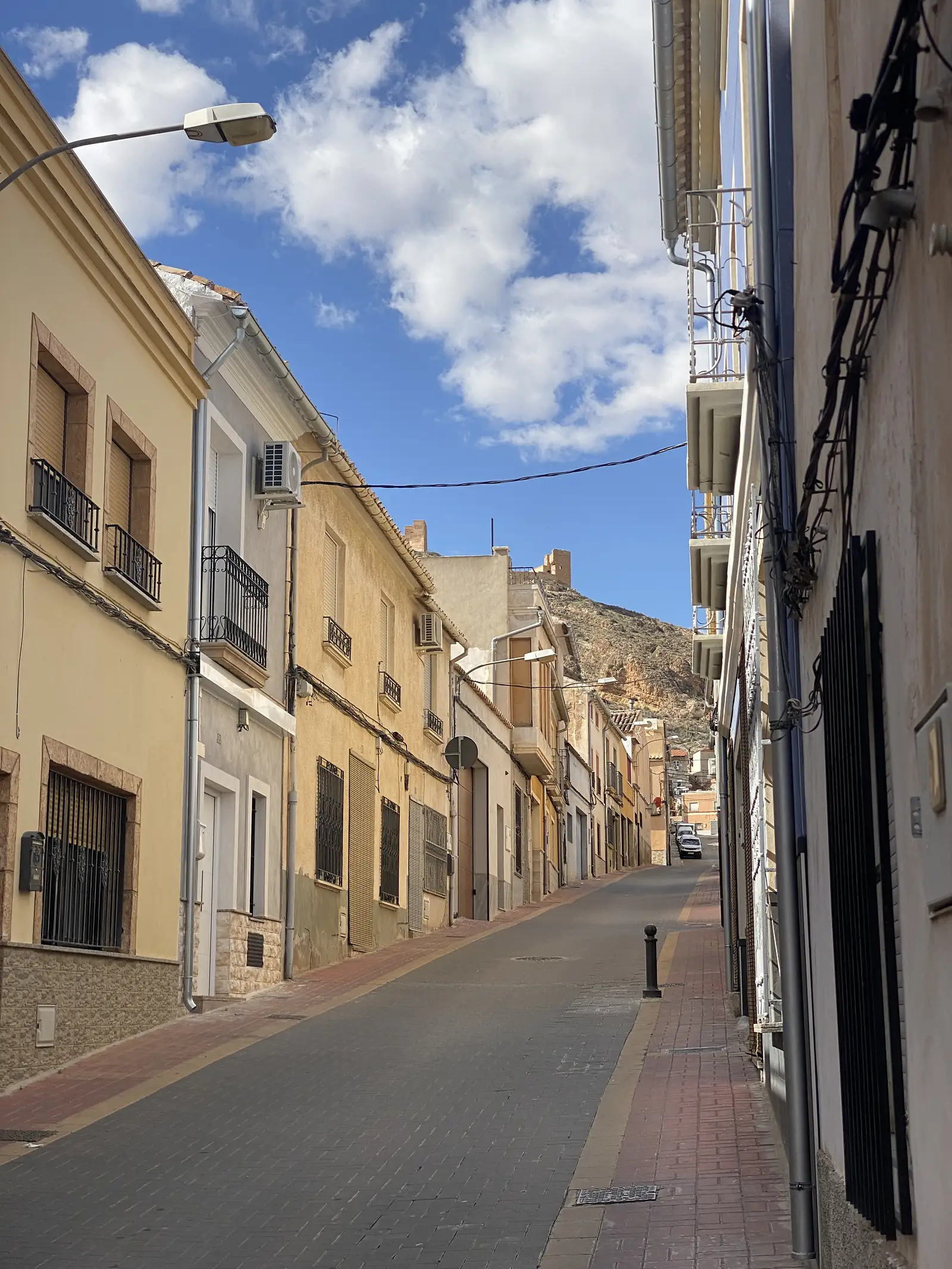
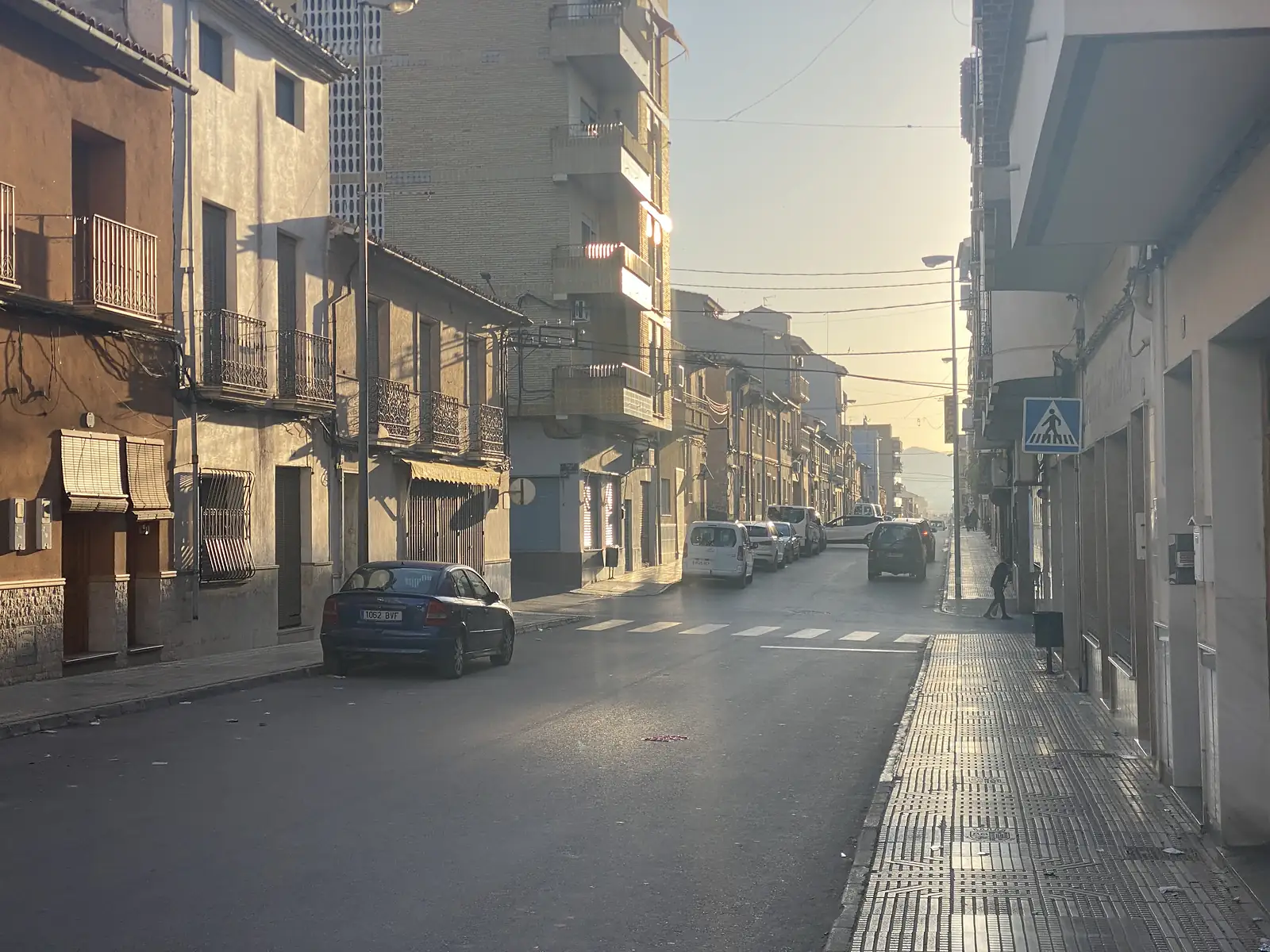
- I loved Jumilla. A town buzzing with the energy of its diverse workforce, plenty of people out on the streets.
- Yecla appeared more “upmarket”, even though it had a very strict “grid layout”.
- Vía Verde del Chicharra was a pleasant and easy way to get between Yecla and Villena.
- The vibe in Villena feels different, almost like you’ve transitioned away from the working, agricultural lands towards a more service oriented and cultural area, the Valencian Community.
Warning: Feral dogs
This is a short story of what happened in one of the ramblas between Calasparra and Jumilla. It is probably a little atypical, but dogs are a problem in most of southern Europe.
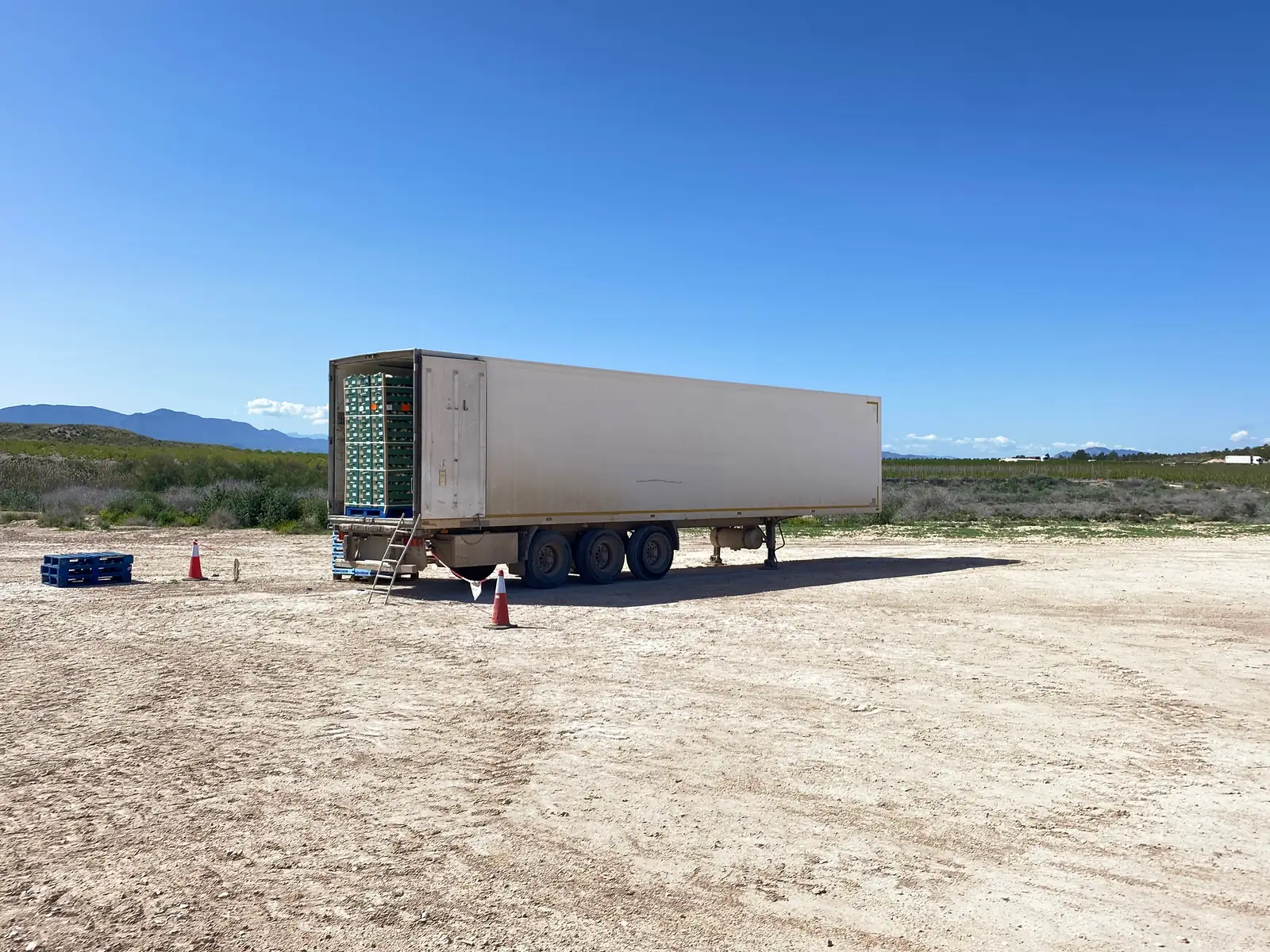
Shortly after passing a field of Romaine lettuce I took a shortcut down into a ravine and things got a little tastier. Not baby spinach tastier, but situationally: I turned the corner at the bottom of ravine and there was a dog! Then not just one dog but between 5 and 10; counting wasn’t really high on the agenda as they started barking and running towards me. I guess I processed the following…
Good things
- Most were Patou / Pyrenean mountain dogs, used by shepherds to protect sheep from predators. They are huge white dogs with a ferocious attitude BUT having encountered them before they just bark and theoretically don’t attack unless you attack their flock.
- I’d stopped before I could be surrounded.
- They’re dogs and most probably just a bit annoyed I was in their territory
Bad things
- These were clearly wild/feral dogs; not even the maddest old man keeps 10 dogs like this in the bottom of a ravine only a few hundred metres from people picking salad.
- I don’t know why anyone would keep Patou here… lettuces are not requiring of this kind of protection so these could really be untrained dogs that might attack.
Could be good or bad
- They were really big and well fed. By my reckoning this meant somebody was feeding them, but it also crossed my mind that they were eating locally, and probably not salad.
Anyhow by the time most of that passed through my head (a few seconds), I’d turned around and, still facing them, started walking back up the ravine track. Fortunately most of them stopped but Boss dog kept following, occasionally looping around me. I just kept going, making sure to keep the bike between me and him. Eventually he lost interest and I got back to the salad fields.
So quite a shock. This was a shortcut but 1) there had been plenty of mountain bike traffic there (Strava heatmaps) and 2) it was very close (perhaps 200m) to signposted walking and cycling trails. What would have happened if say somebody was out cycling with their children?
It was reported to the authorities via the hotel in Jumilla. This wasn’t the first time they’d heard the problems. They said normally the police just pass the problem onto the local animal shelters which didn’t then have the authority to take much action. After a couple of calls, I got an update later to say that there’s a couple of “old men” in the area that just let their dogs mingle and roam free.
So yes there are plenty of mad old men in Southern Europe that just let their dogs do what they want without consequences.
Route map
Open in KomootGetting there and back
In Part 6 of my diagonal European trail, I described how Part 6 and 7 are best done together. So I’ll not go into the issues of getting to/from Moratalla again.
Villena is a short, frequent and bike friendly (local train) journey from Alicante and its international airport.