Innsbruck to Verona off-road
Transalp above the passes. An Innsbruck to Verona gravel route the hard way. A train-friendly 450km off-road adventure on a gravel bike or MTB. Crossing the Alps above these passes: Brenner Pass, Jaufen Pass, Gampen Pass, Sella di Andalo and Ballino Pass.
Highlights
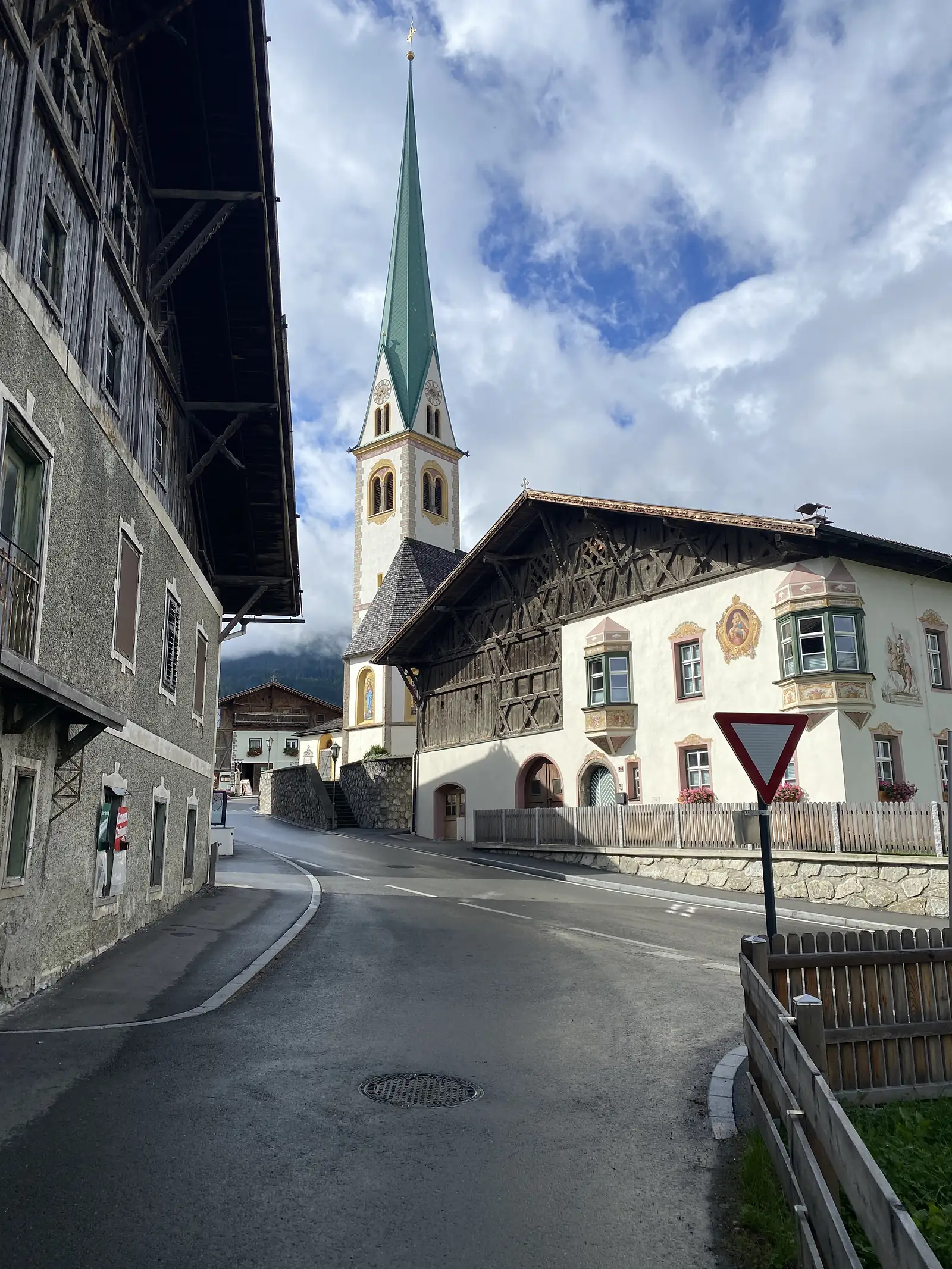
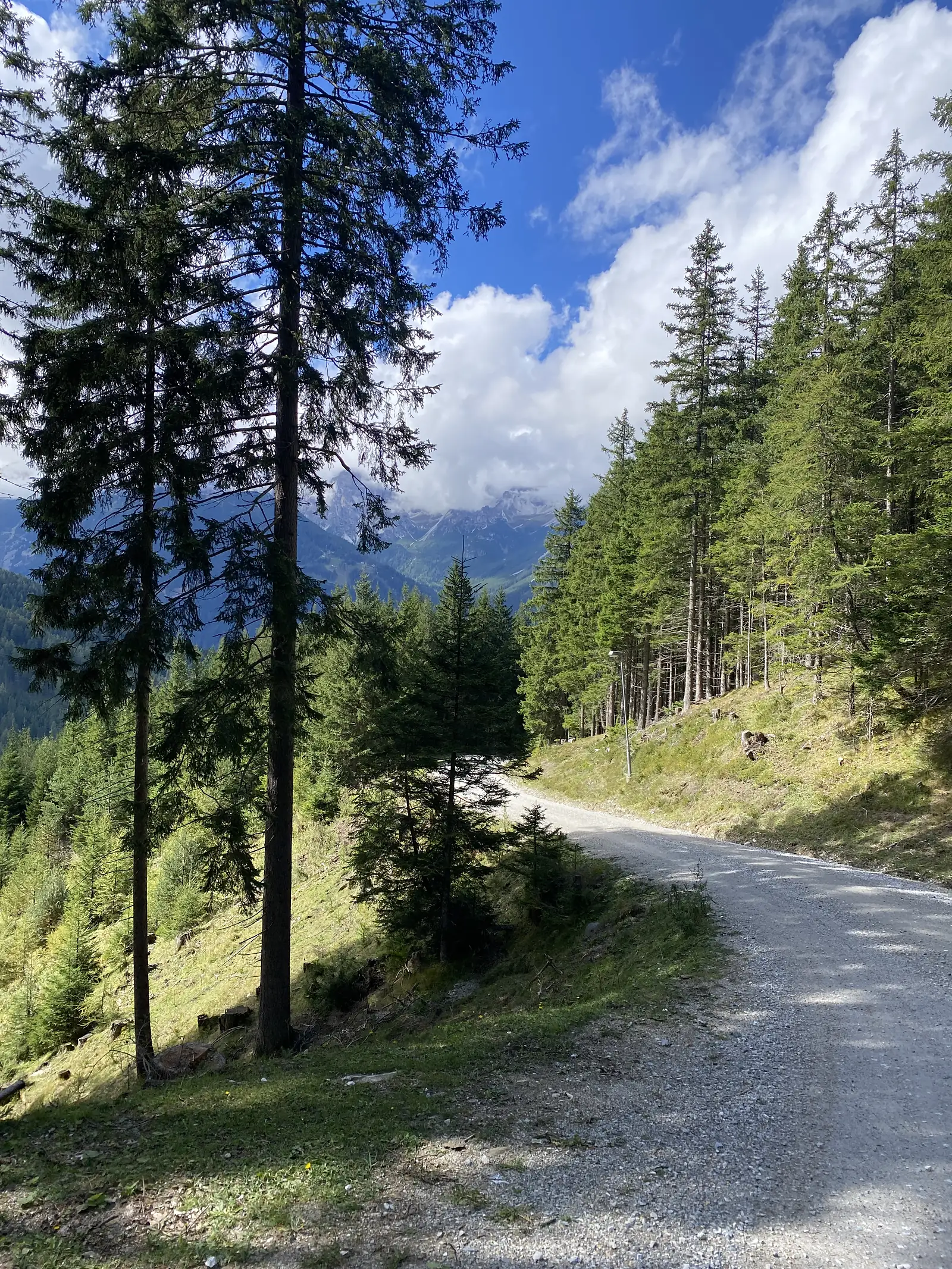
- Innsbruck. I’ve passed through Innsbruck many times, never staying overnight, because I’m always either arriving on a night train or leaving on one. It’s a great town for anything from a quick hipster breakfast to a full Tyrolean slap up meal.
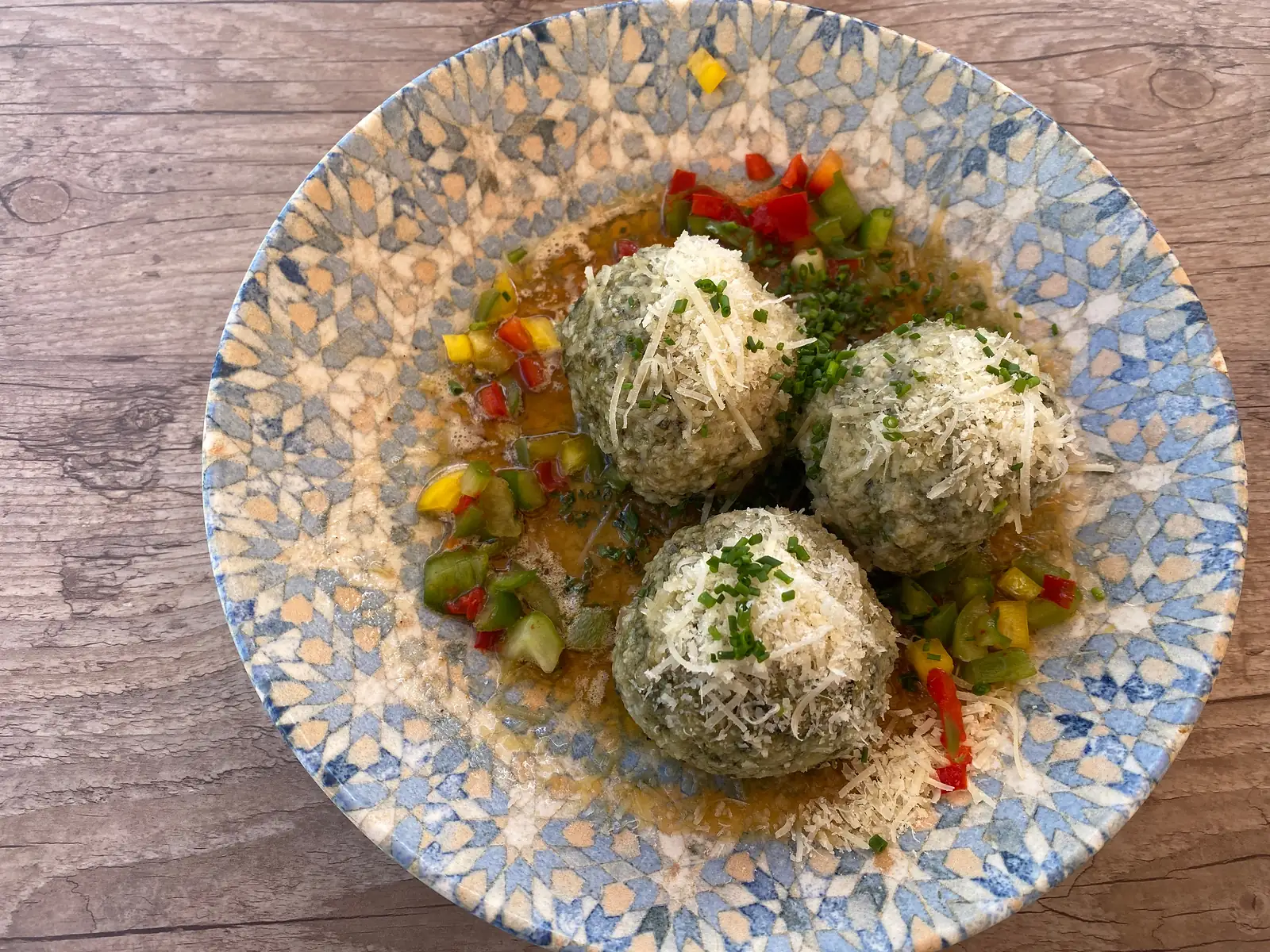
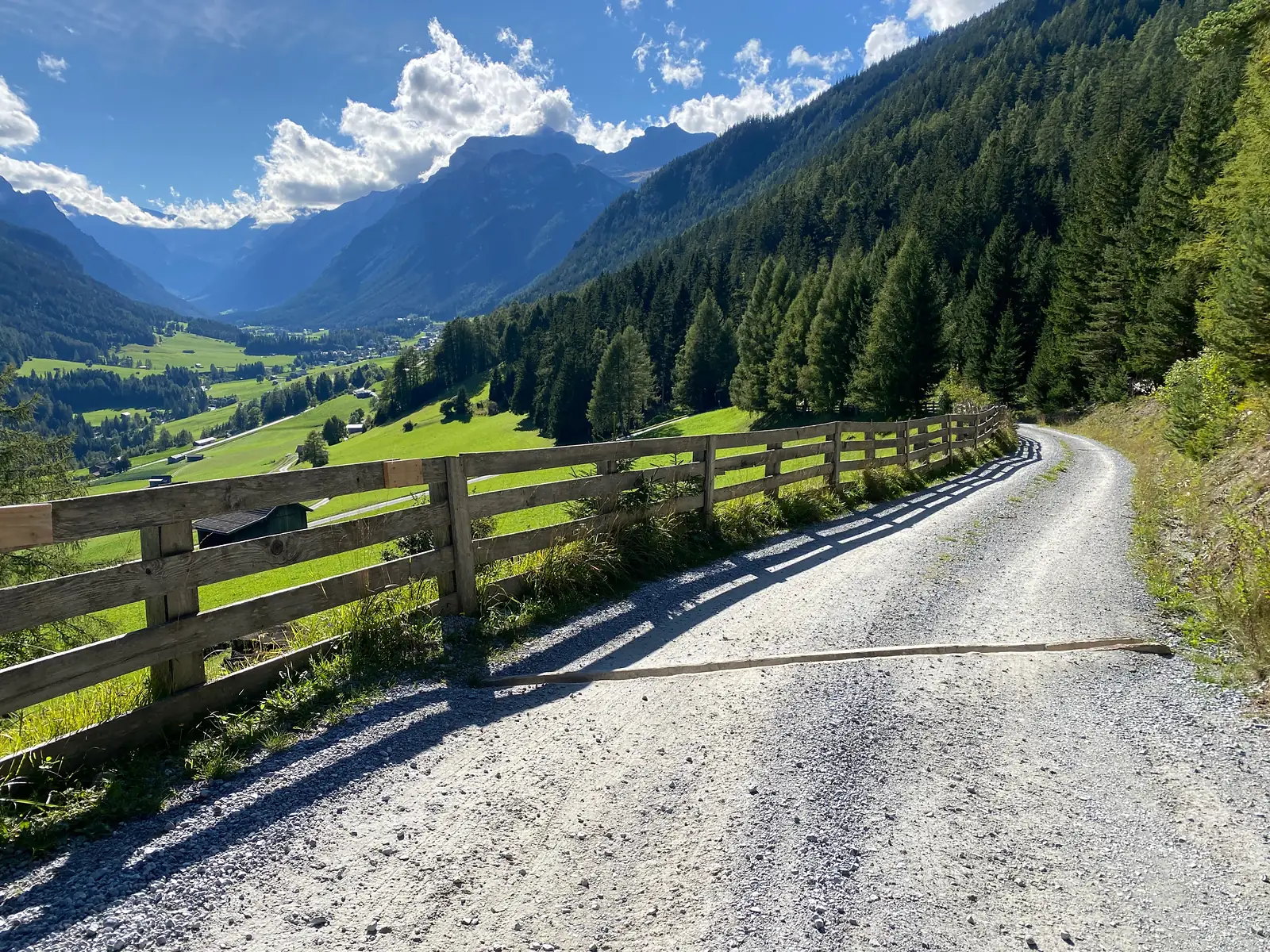
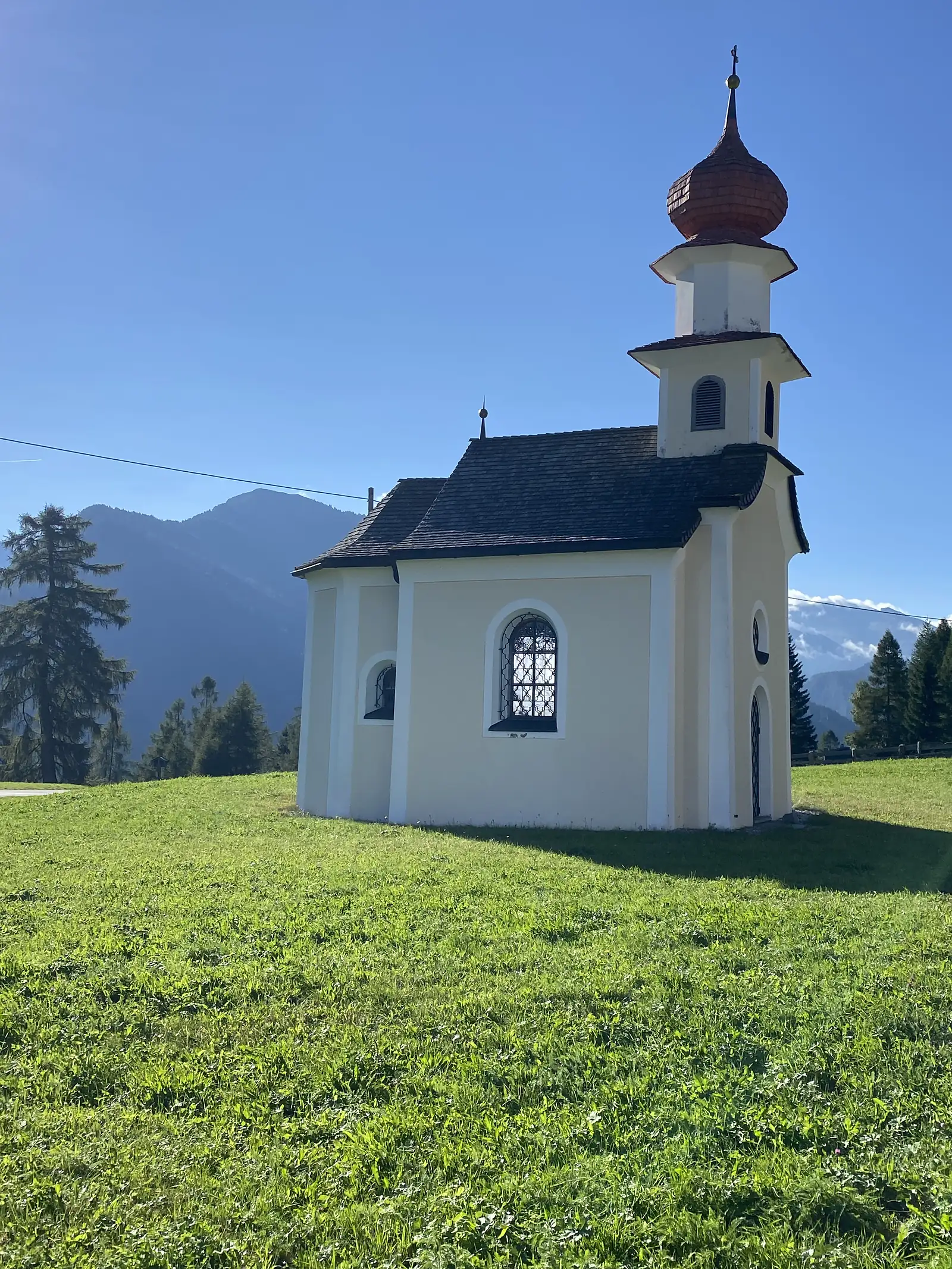
- Maria Waldrast (at 1638m) describes itself as a monastery inn and this seemingly odd combo of religious pilgrimmige site and “get away from it all” resort seems to work just fine. I only stopped for lunch but can wholeheartedly recommend the proper mountain food.
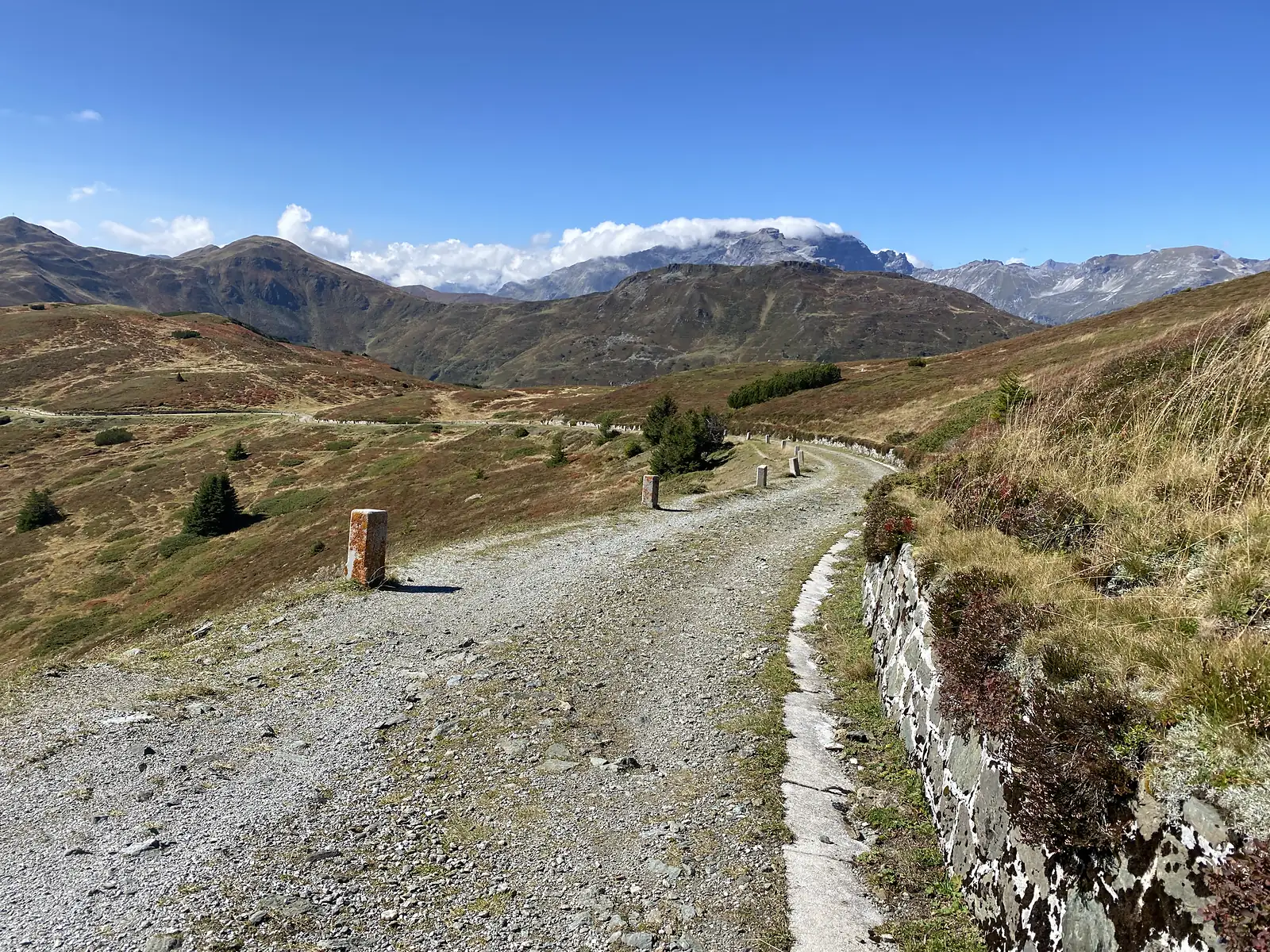
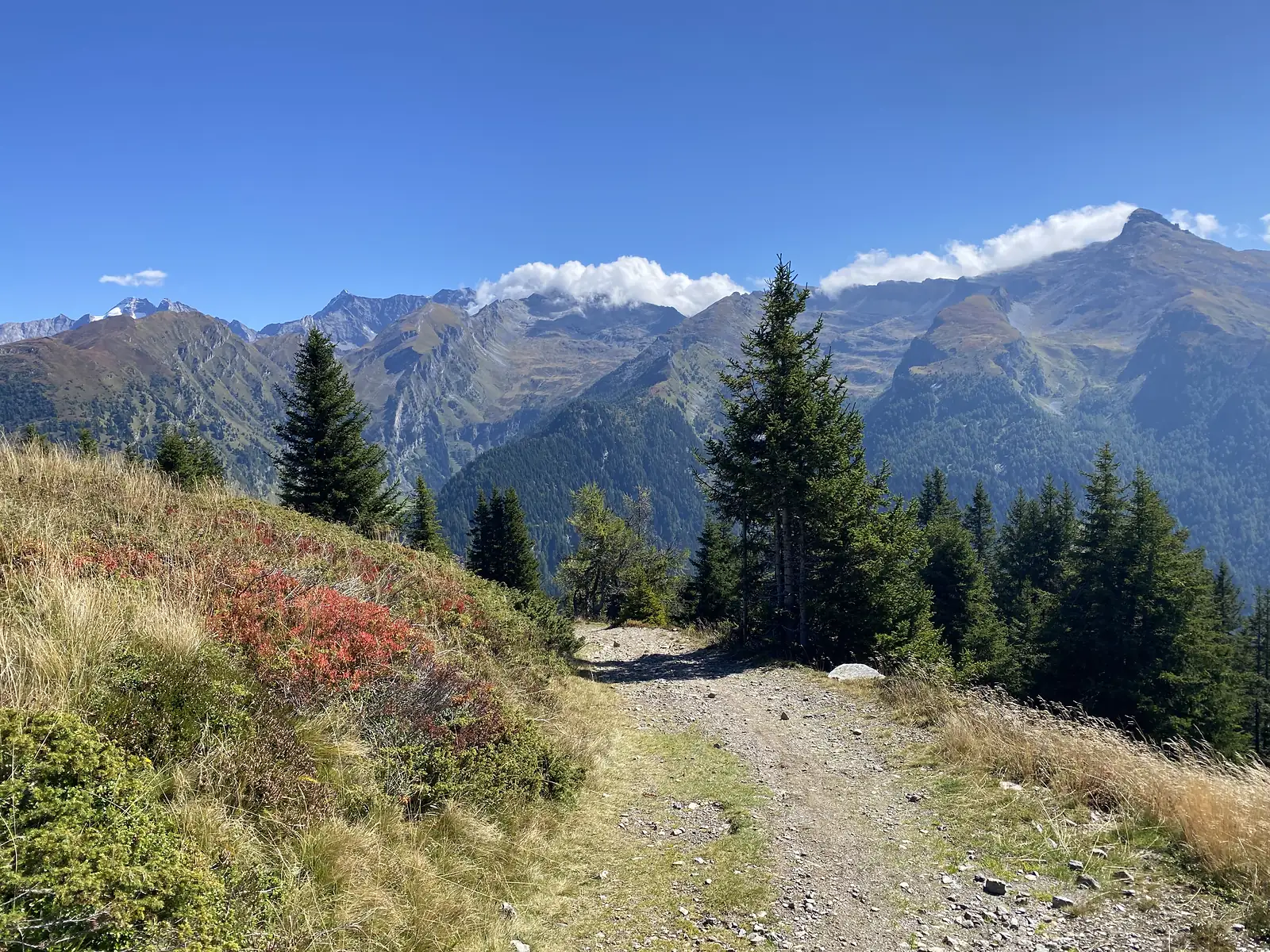
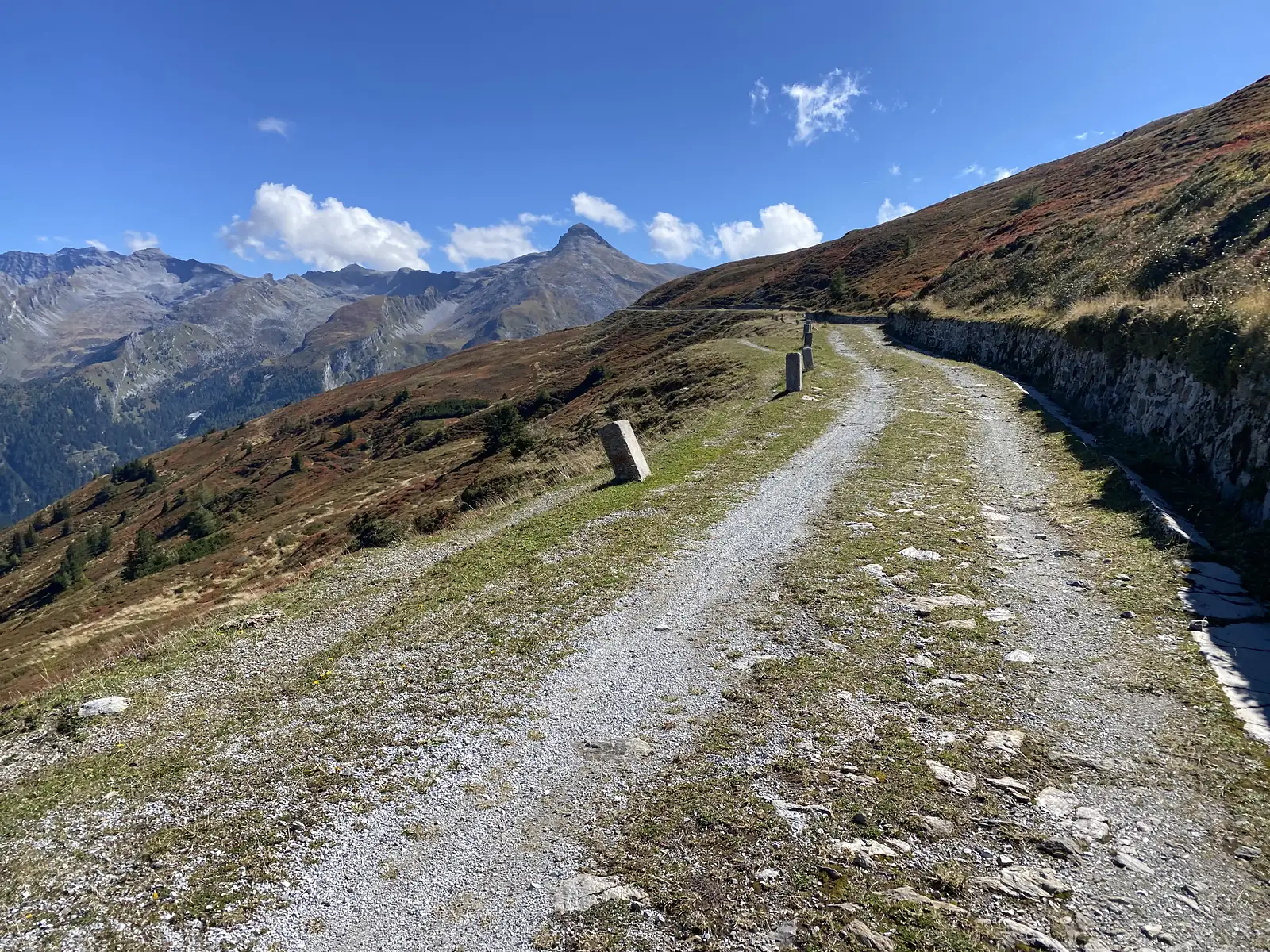
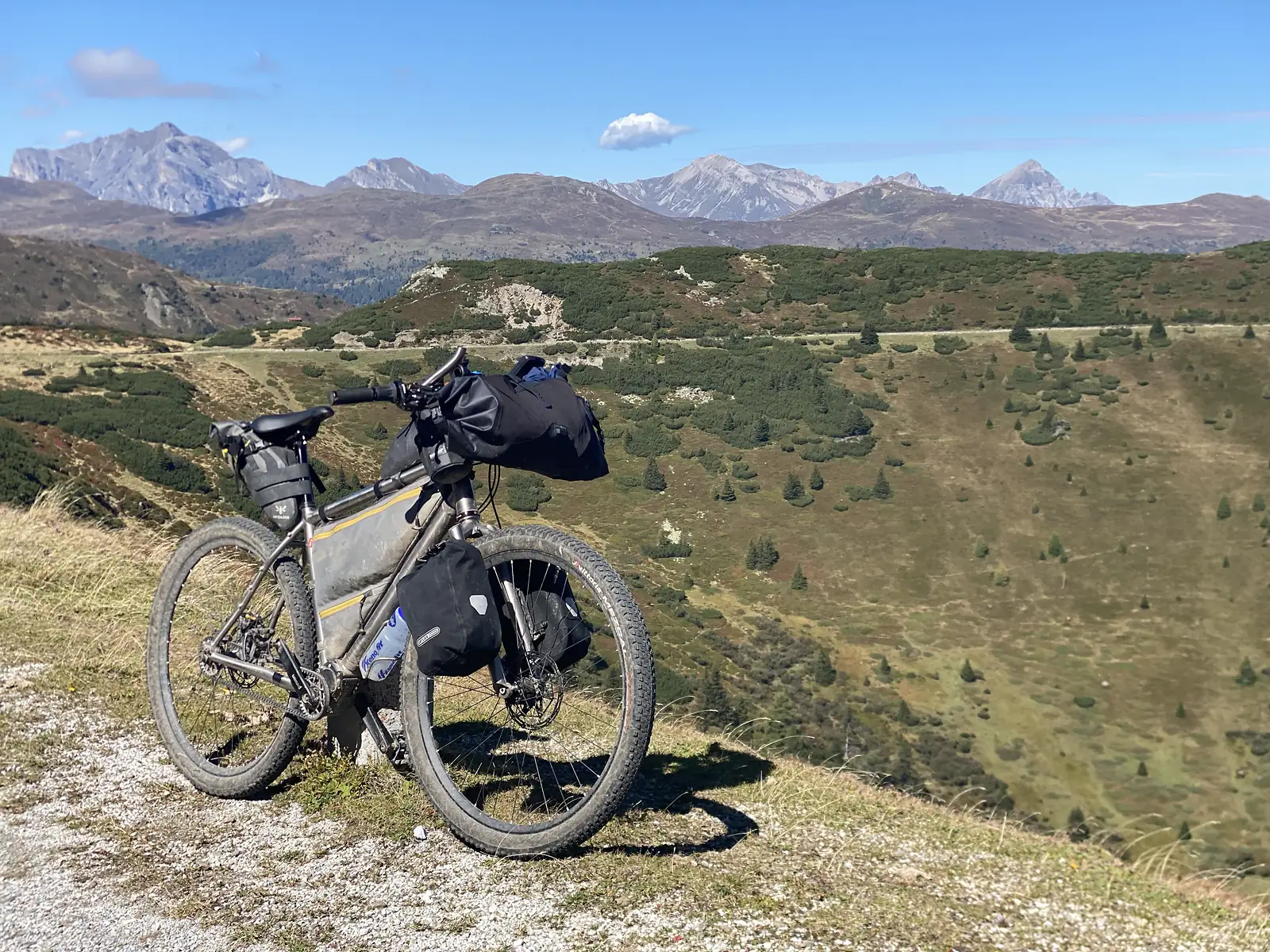
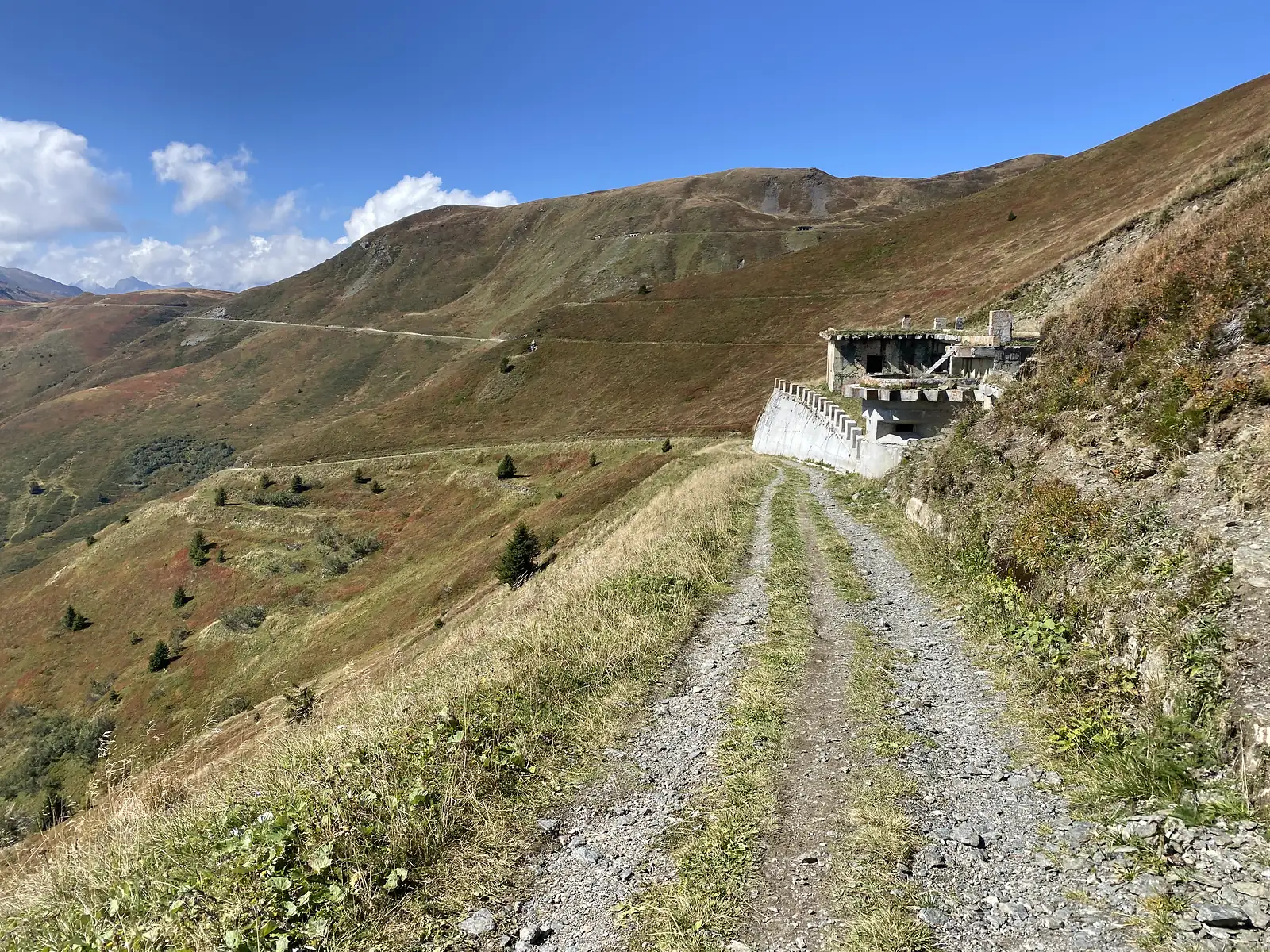
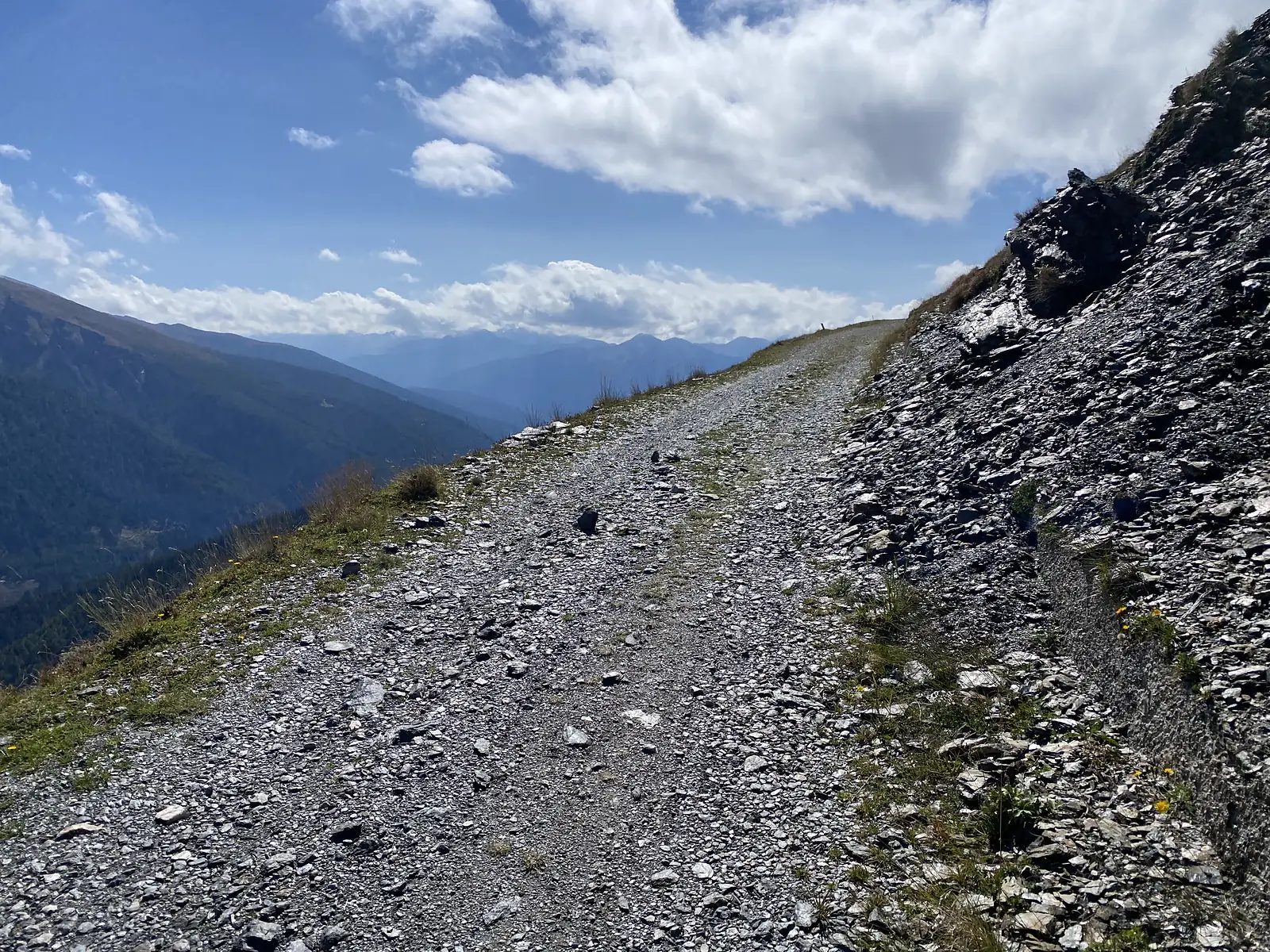
- How to avoid traffic on the Brenner Pass on a bike? Then take the Brenner Grenzkammstraße, 10km of old military road between Sattelberg (at 2107m) and Sandjöchl (at 2247m), almost a thousand metres above the Brenner Pass (at 1370m). Built as part of the Alpine Wall prior to WWII by Mussolini to defend South Tyrol because he didn’t trust his ally, Nazi Germany. This is a bucket list 10km of gravel, right up there with my bike adventures on Campos de Hernán Perea and Strade Bianchi.
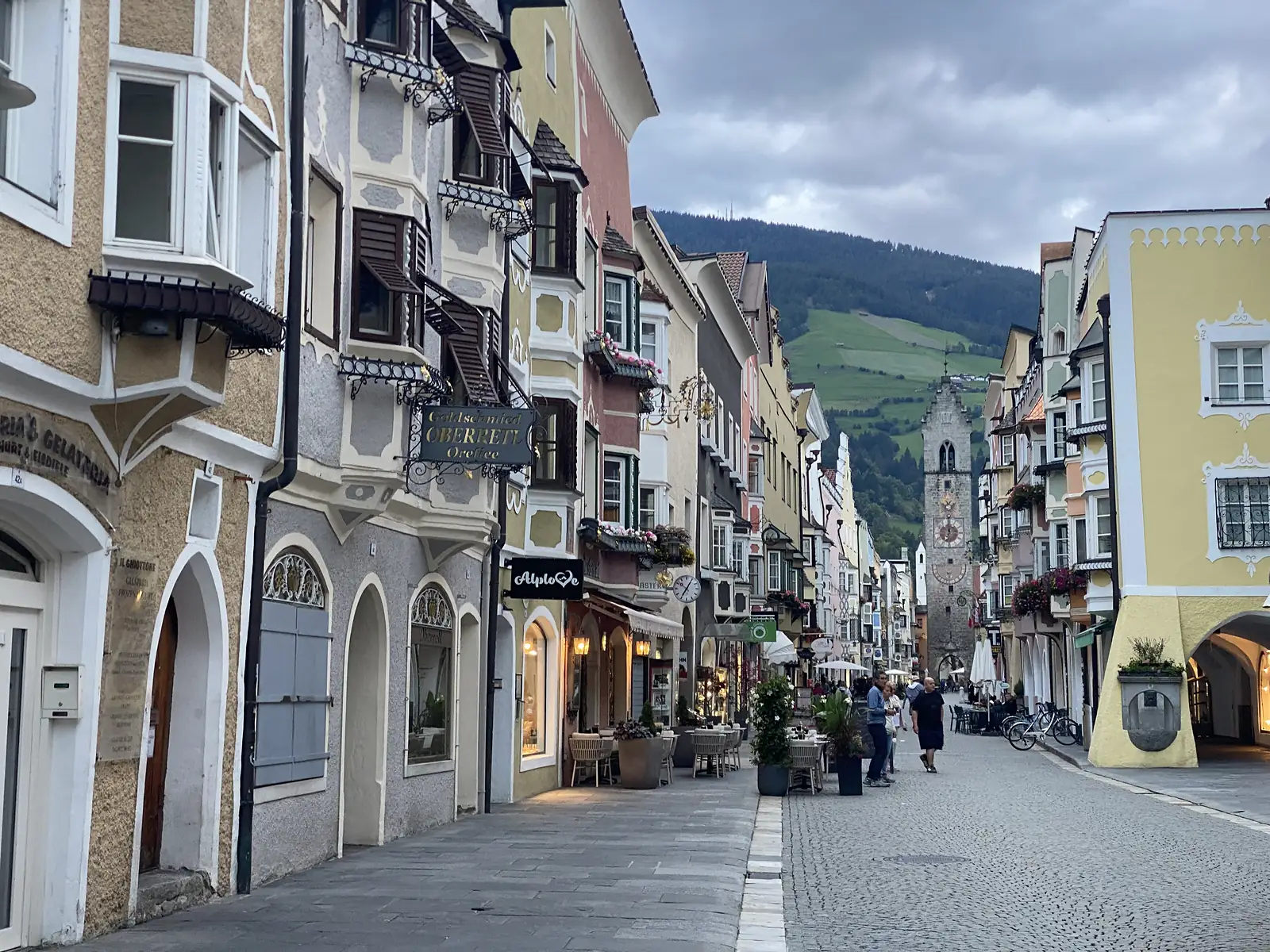
- Sterzing (or Vipiteno). A small town with a beautiful historic centre.
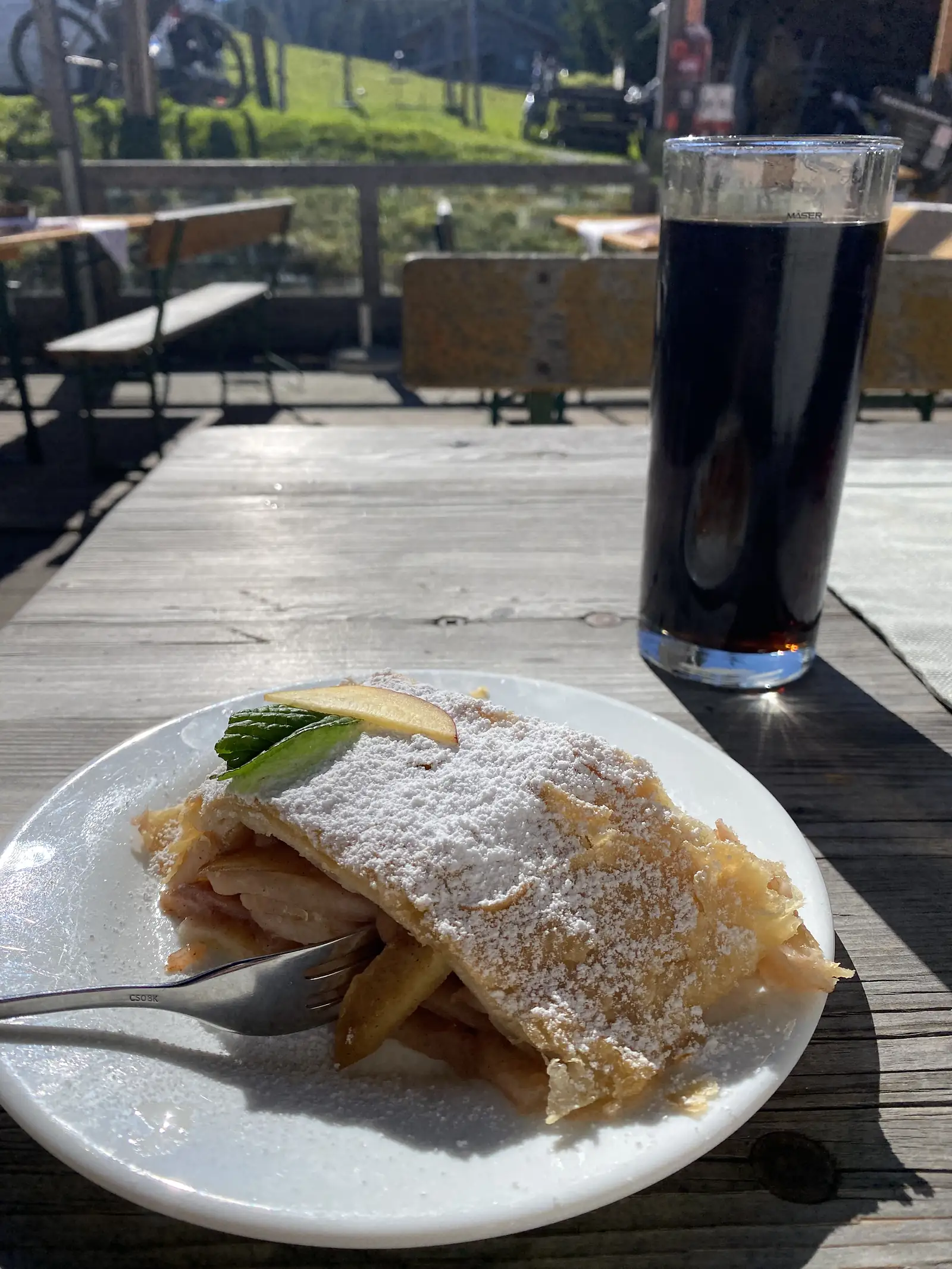
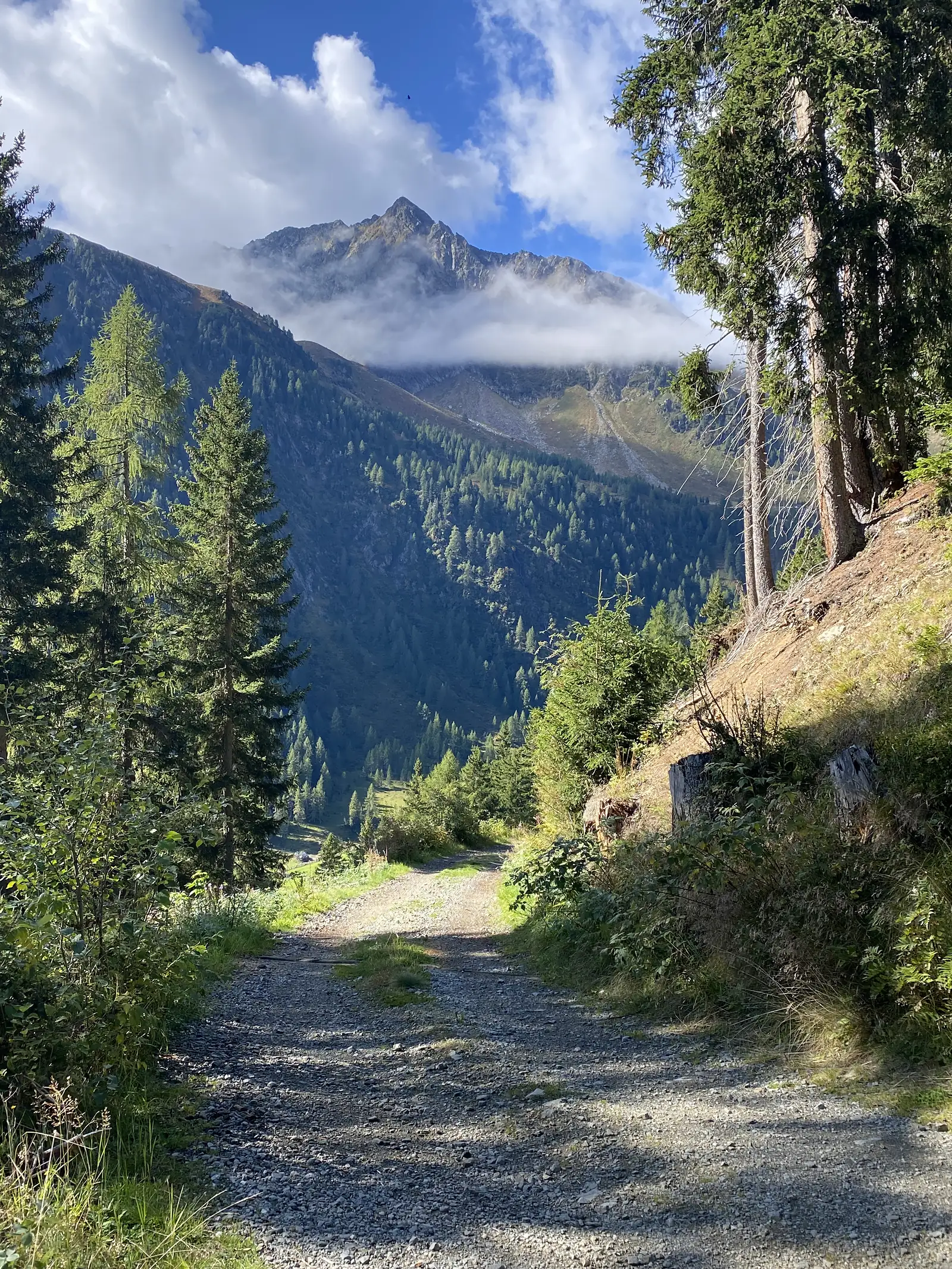
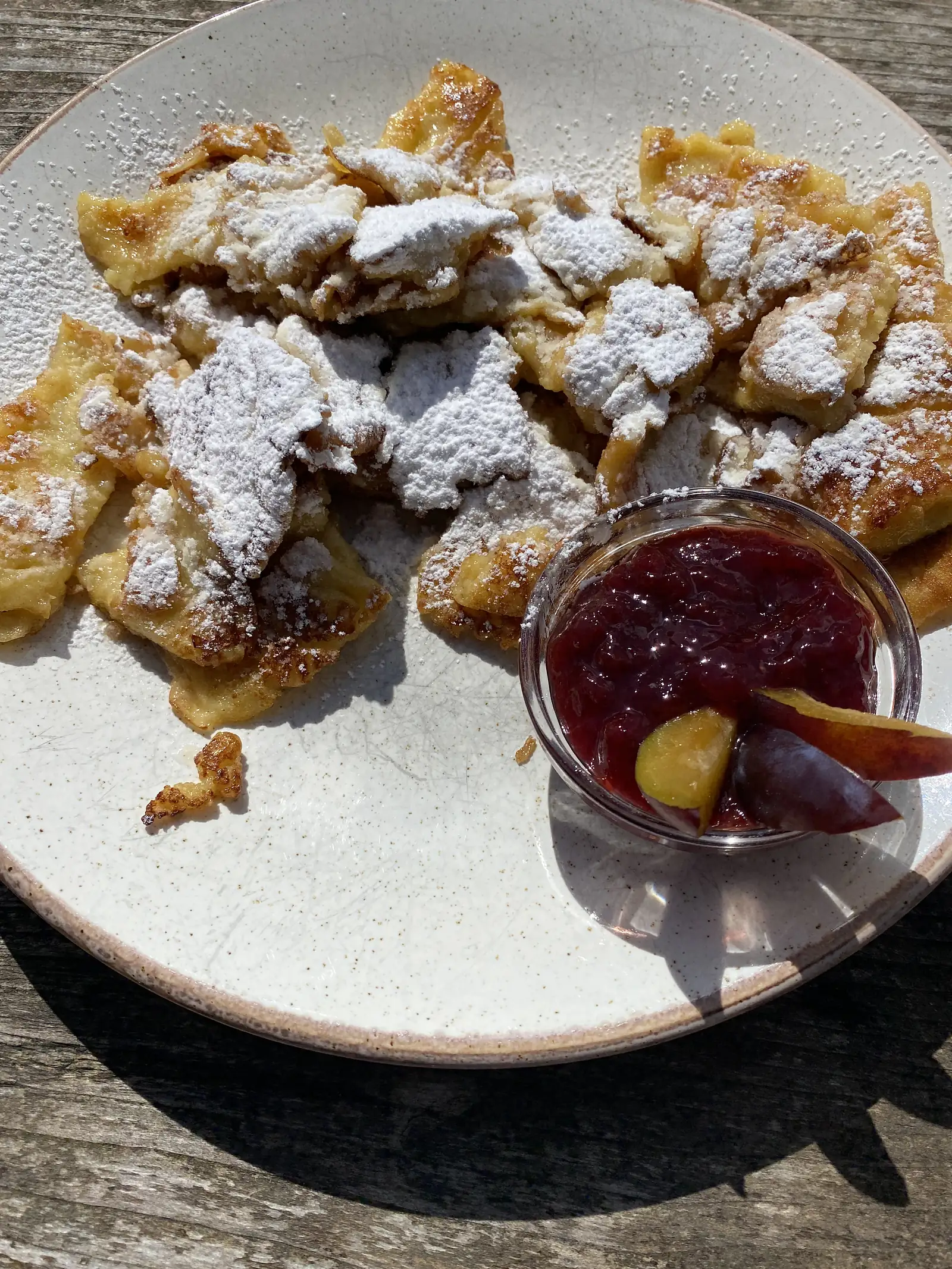
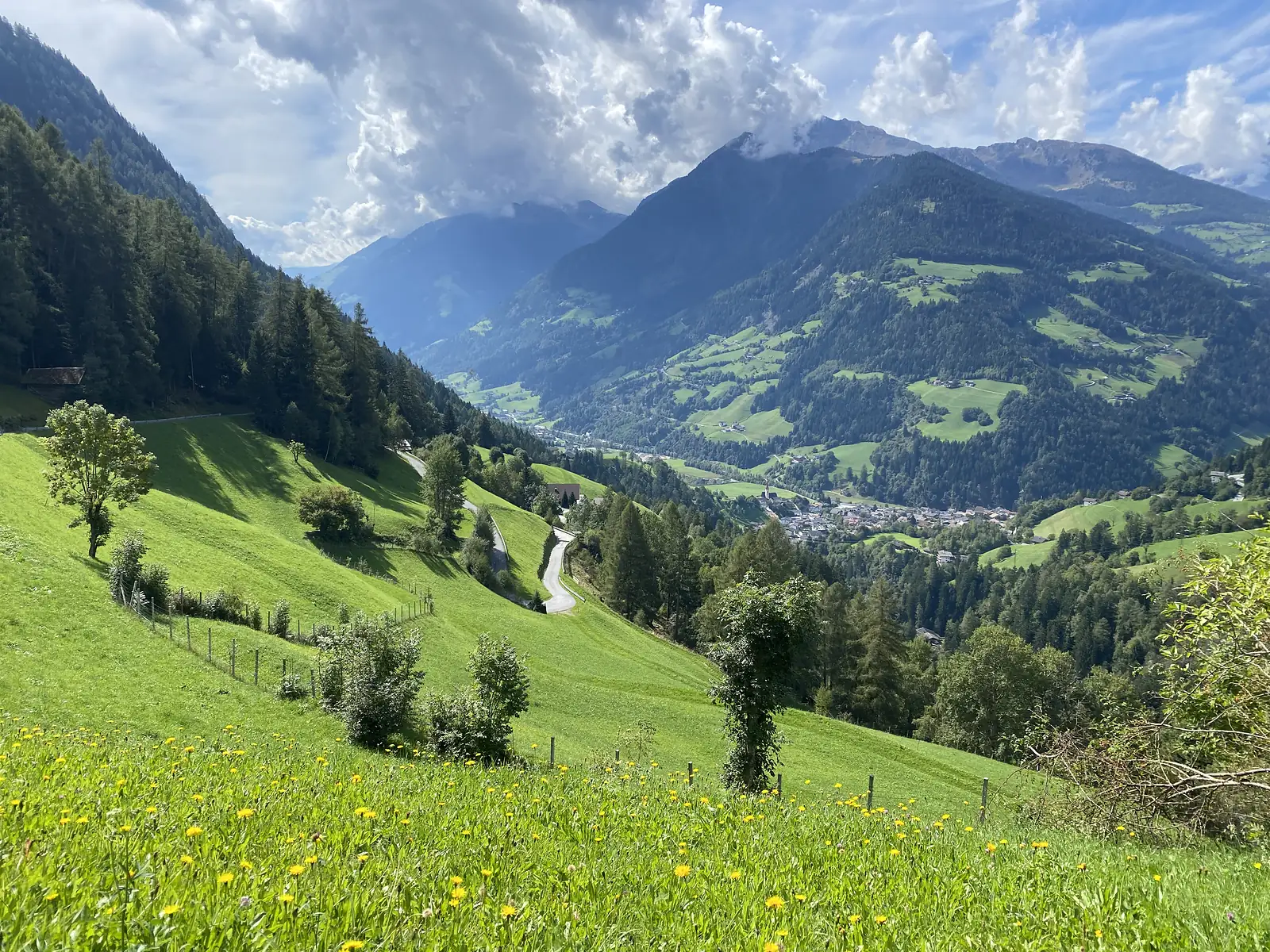
- I climbed towards the Jaufenpass (Passo di Giovo) up Val Jovo avoiding the road. I would recommend stopping for kaiserschmarrn at Rinner Alm which was pretty empty late morning on this Tuesday in mid September. I loved their collection of rabbits (living ones), one of which had escaped and simply moved around under the tables lying in the sun in different places as if it had inherited a large chunk of cat DNA.
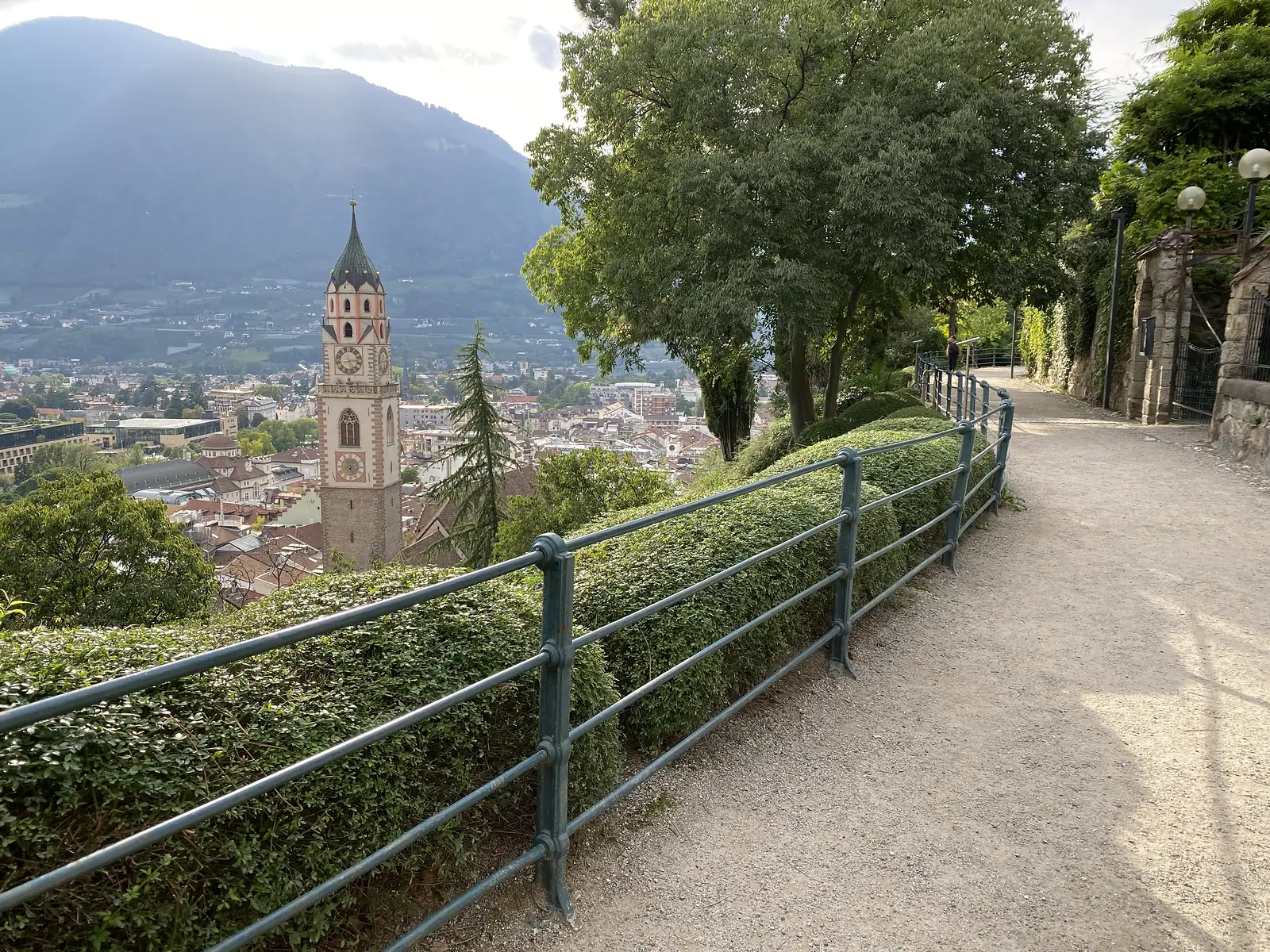
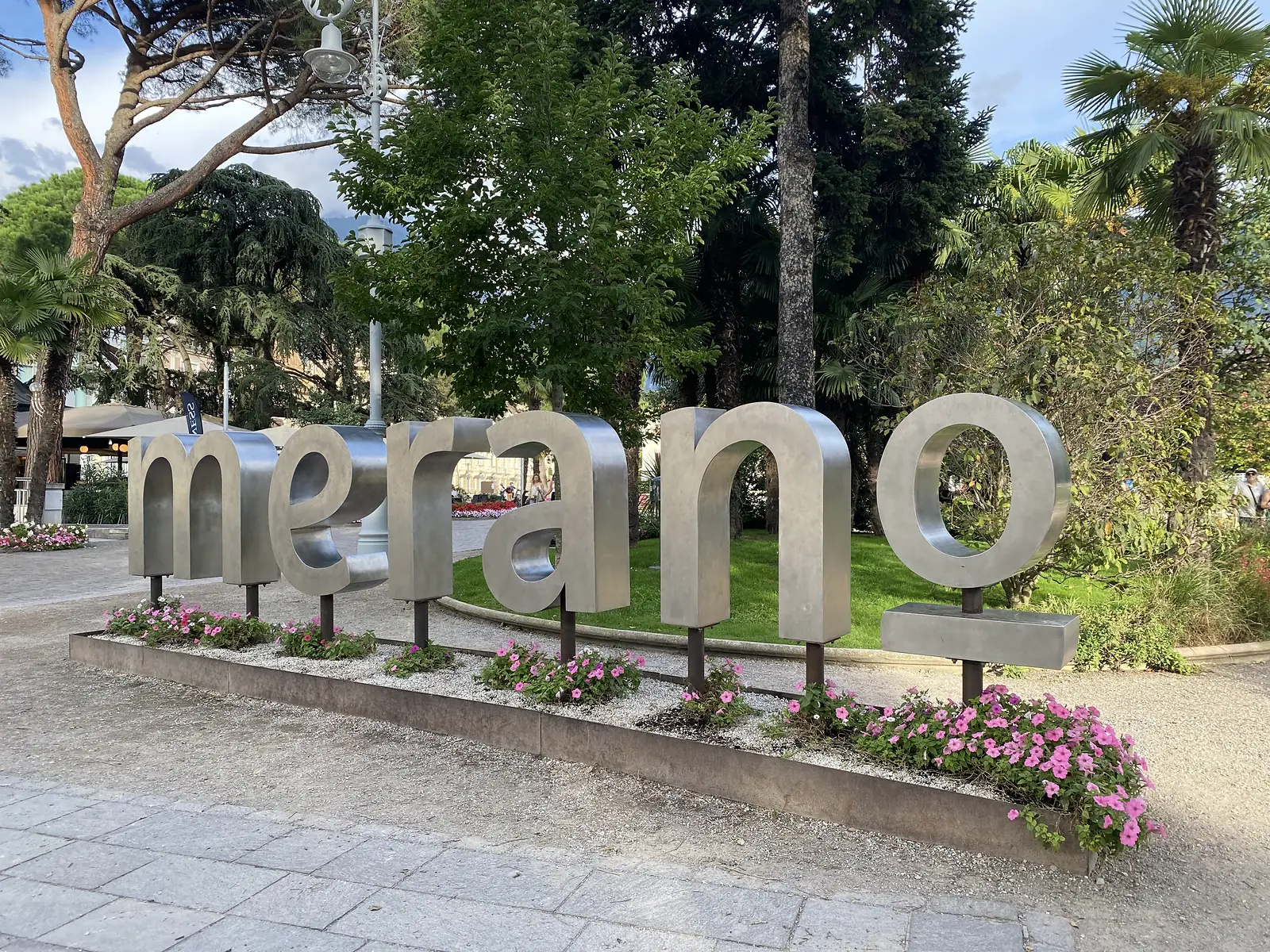
- Merano is an amazing town that sits incongruously in the mountains but feels almost tropical (apparently it sits as a “borderline” climate between oceanic, humid subtropical and continental) . Despite a few modern twists, the place still feels like a spa and resort town from the height of the Austro-Hungarian Empire. There’s everything from charming old school hotels and ancient arcaded streets to modern spa complexes and extensive river walks.
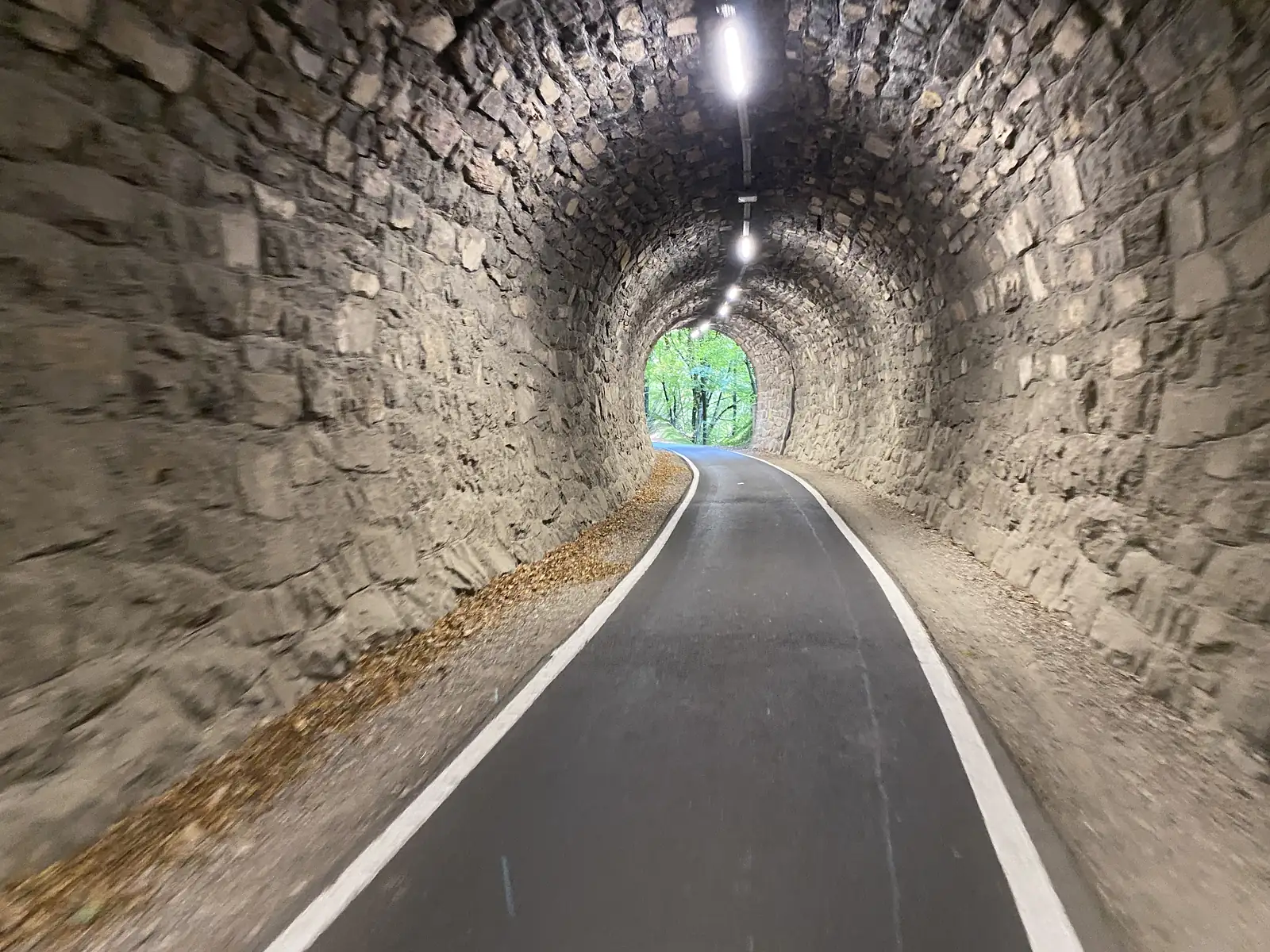
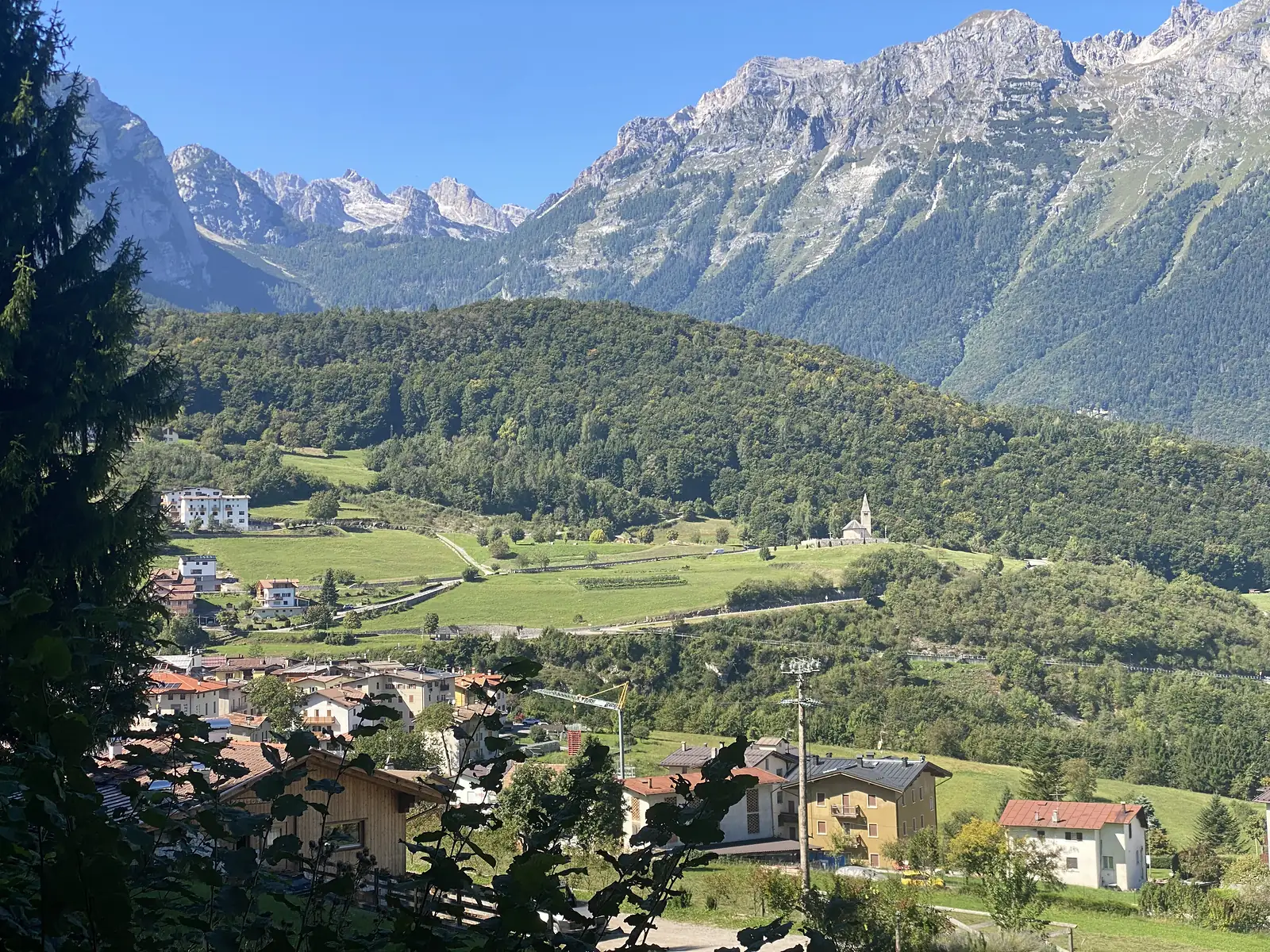
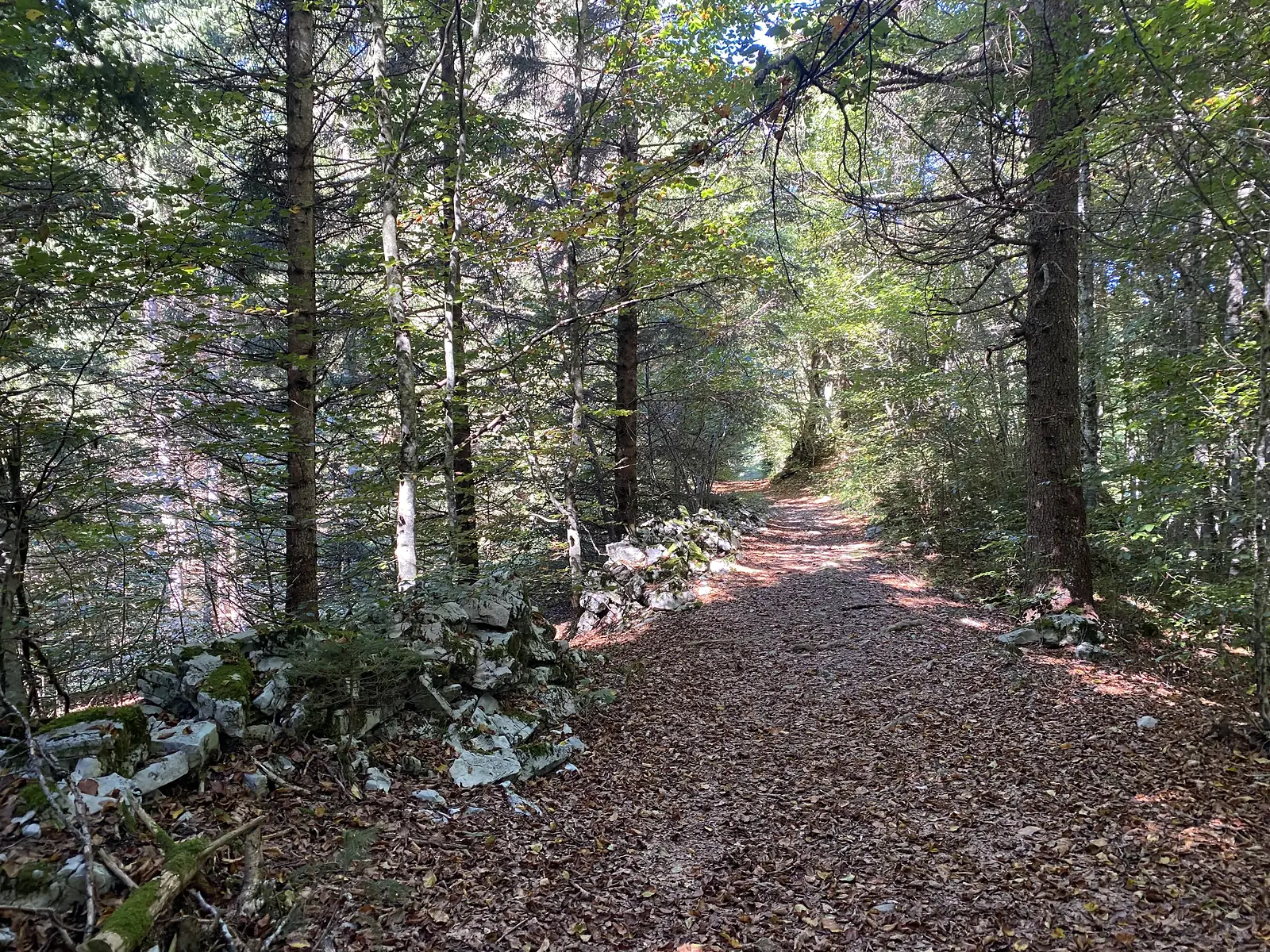
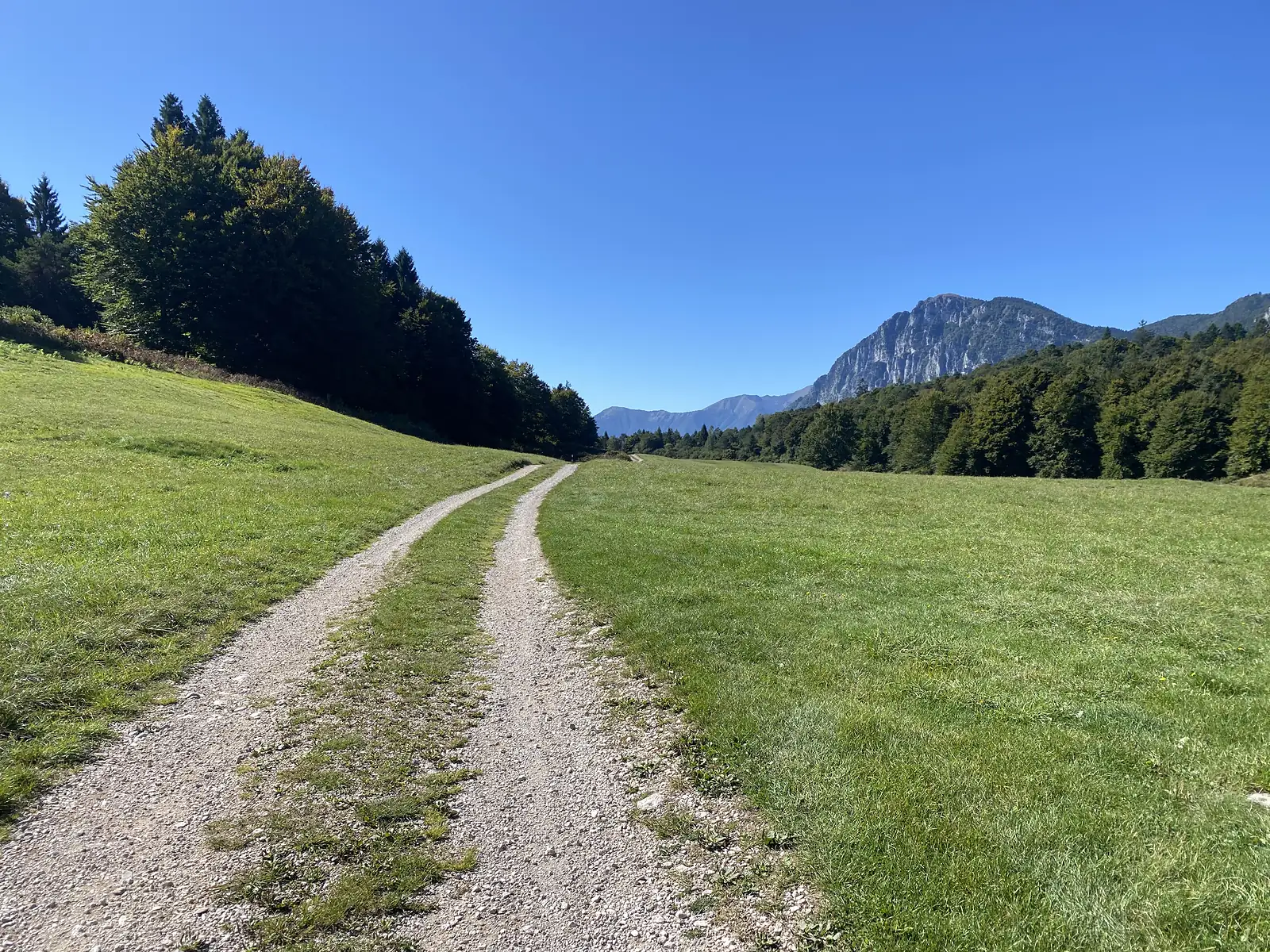
- There’s a quite amazing MTB route down from Gampen Pass (Passo delle Palade) into Val di Non on forest roads, old rail lines and other trails: the Rankipino route.
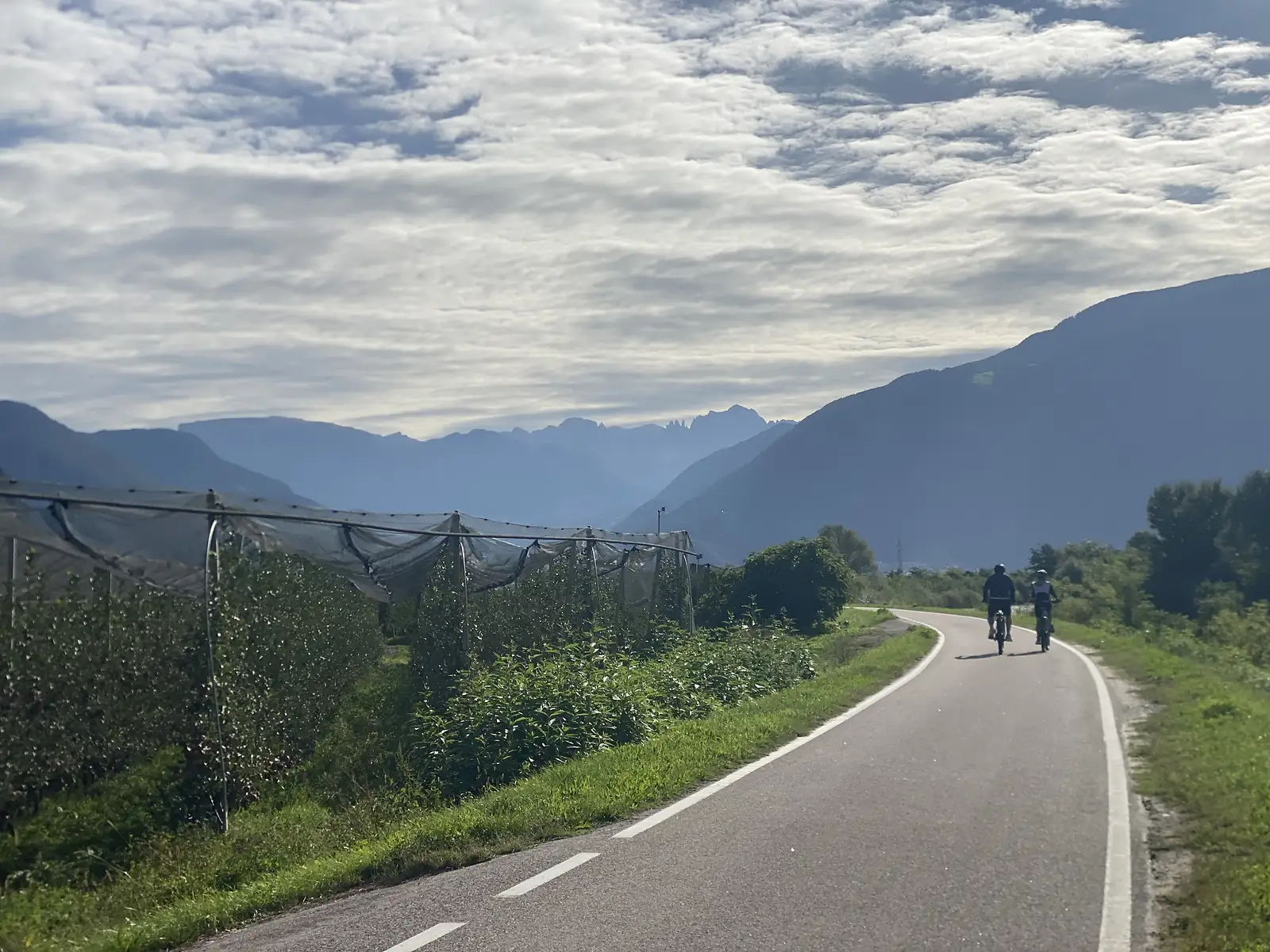
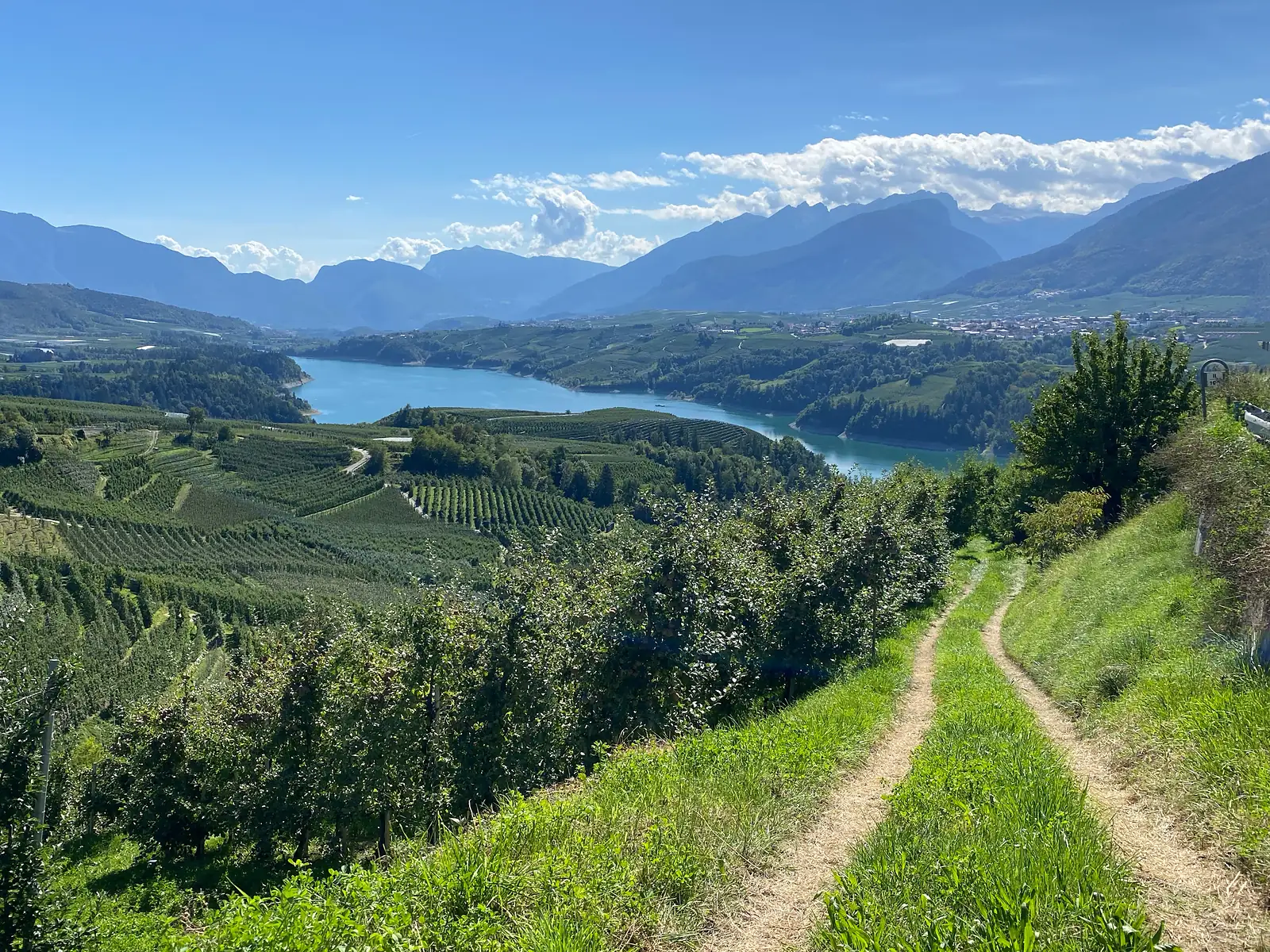
- The Val di Non is apple central. You’ll smell them everywhere if you go in autumn. Italy’s first Protected Designation of Origin (PDO) for apples (mainly Golden Delicious and simlilar varieties). They produce 300,000 tonnes a year here, 10% of all apple production in Italy.
- Andalo is a typical ski town: rather grim out of season, populated by a few mountain bikers and hikers.
- Molveno, just down the hill from Andalo, is a very pleasant little town with amazing views over its lake and up to the Brenta Dolomites. The path (best in autumn to avoid hikers) down the west side of the lake is fantastic riding, but lacks views towards the lake. What is fantastic though is the smaller lake at Nembia with wooden jettys to dangle your feet in the clear cold water whilst straining your neck to take in the mountains above: stop here for a picnic.
- I stayed at the hotel Castel Mani in San Lorenzo (also referred to as San Lorenzo Dorsino, or San Lorenzo in Banale… seemed to be the same place to me). The views from the infinity pool are probably some of the best on Earth. I loved this place, it feels like its own place. The rooms were a little 1970s and elements of 1960s abound. Though the food in the restaurant isn’t great, you sit in a dining room with amazing views, being served in a manner that one might think befitting of a soviet hotel in the 1950s. Wonderfully wacky.
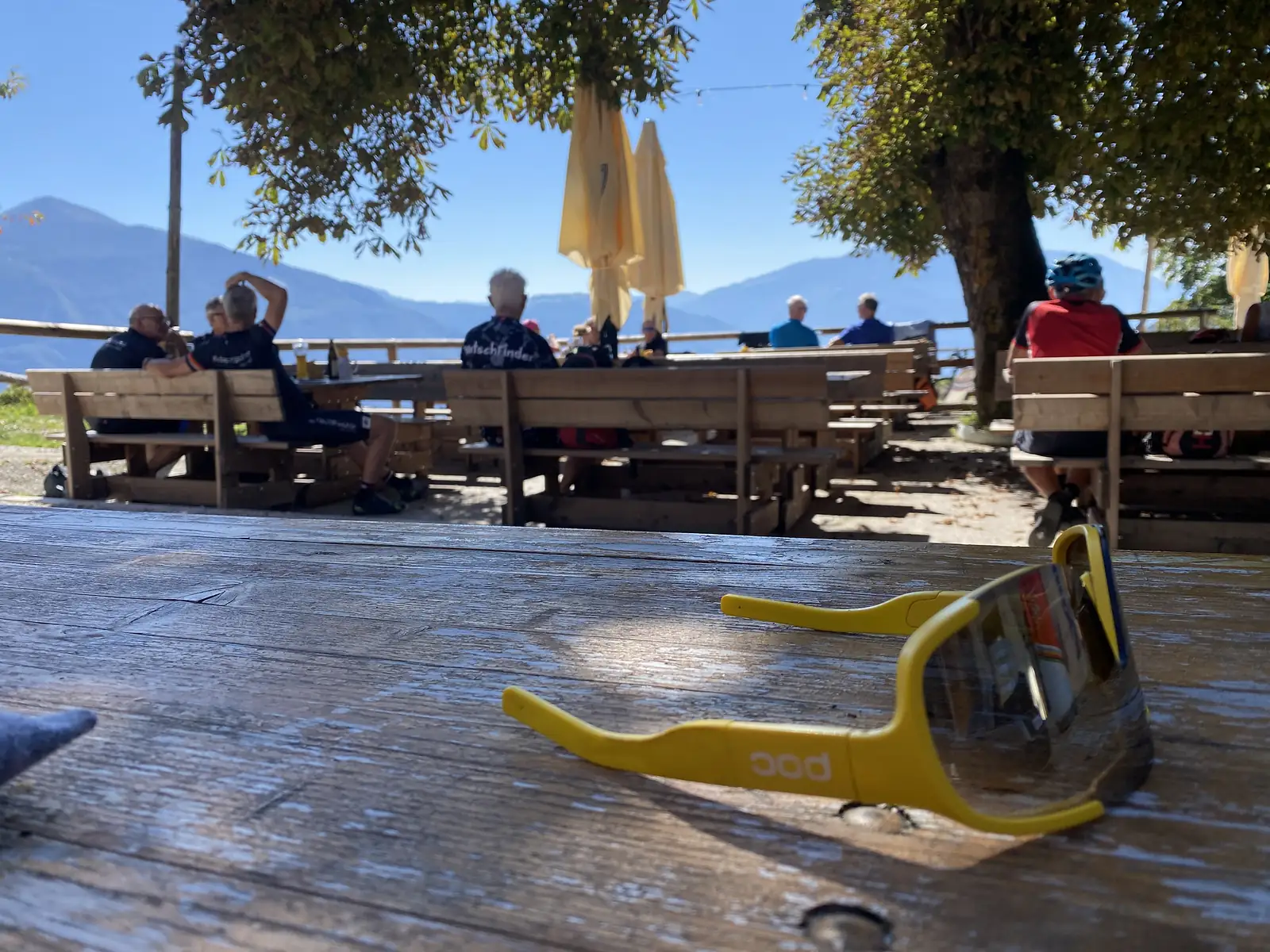
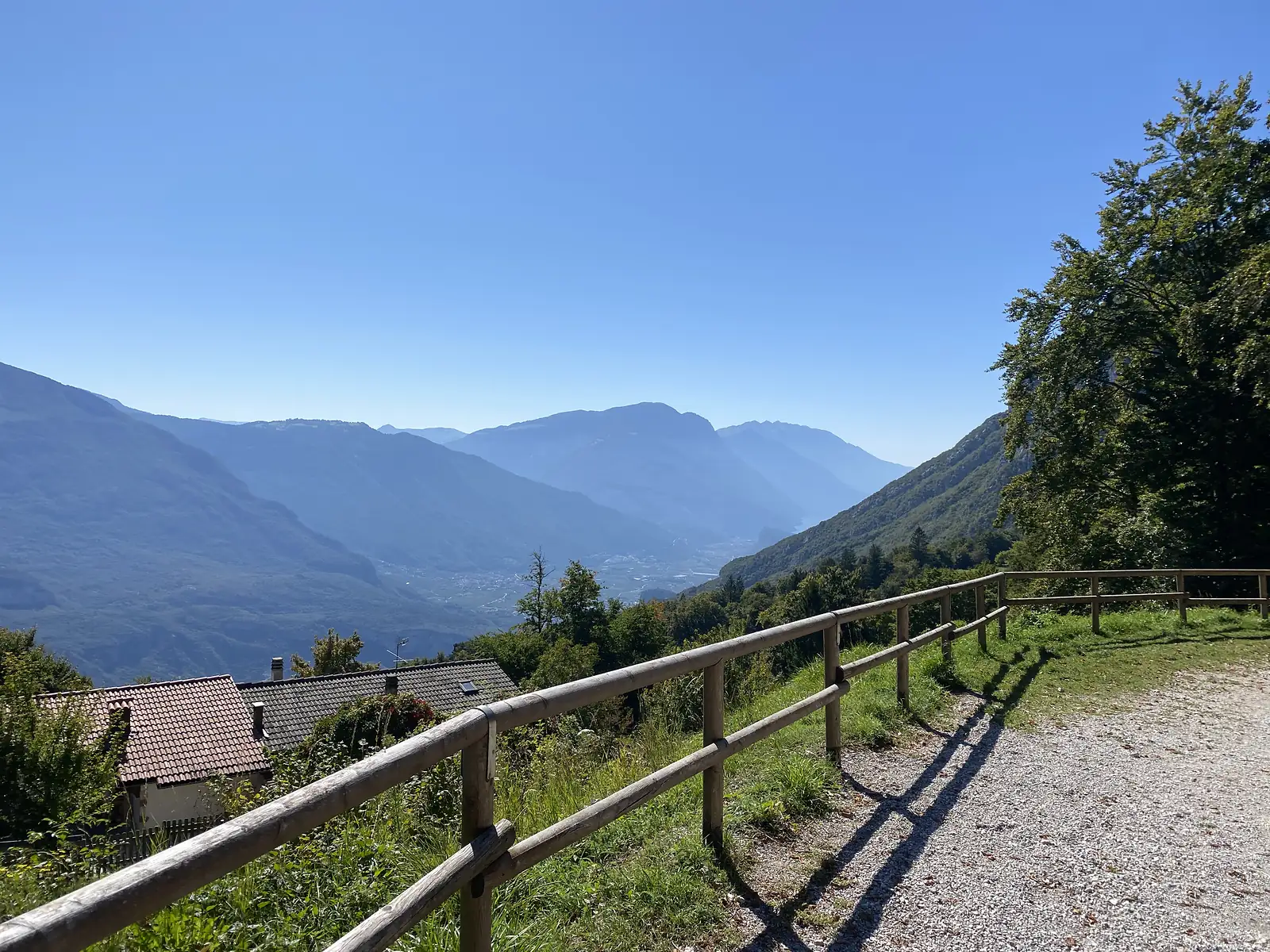
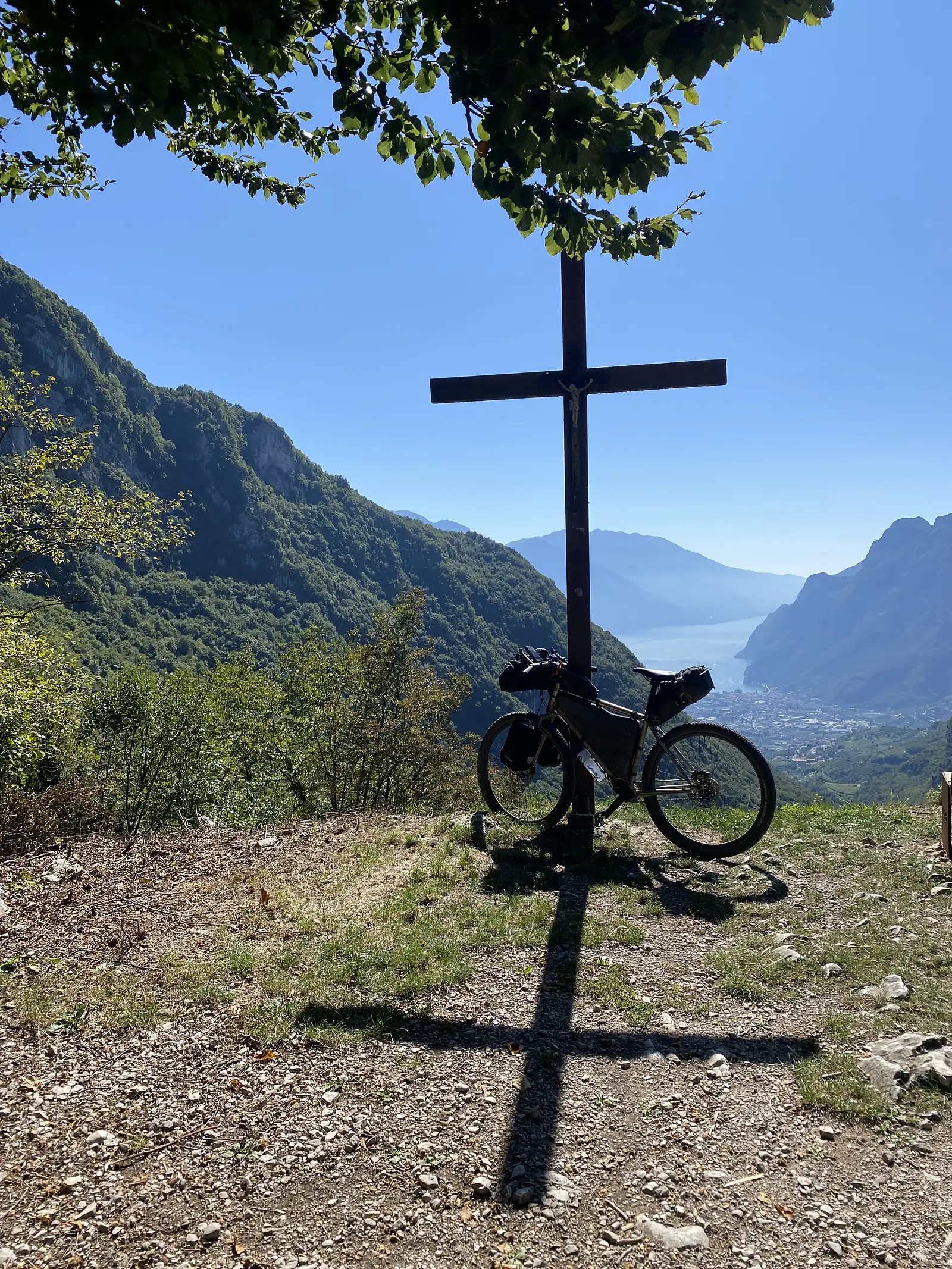
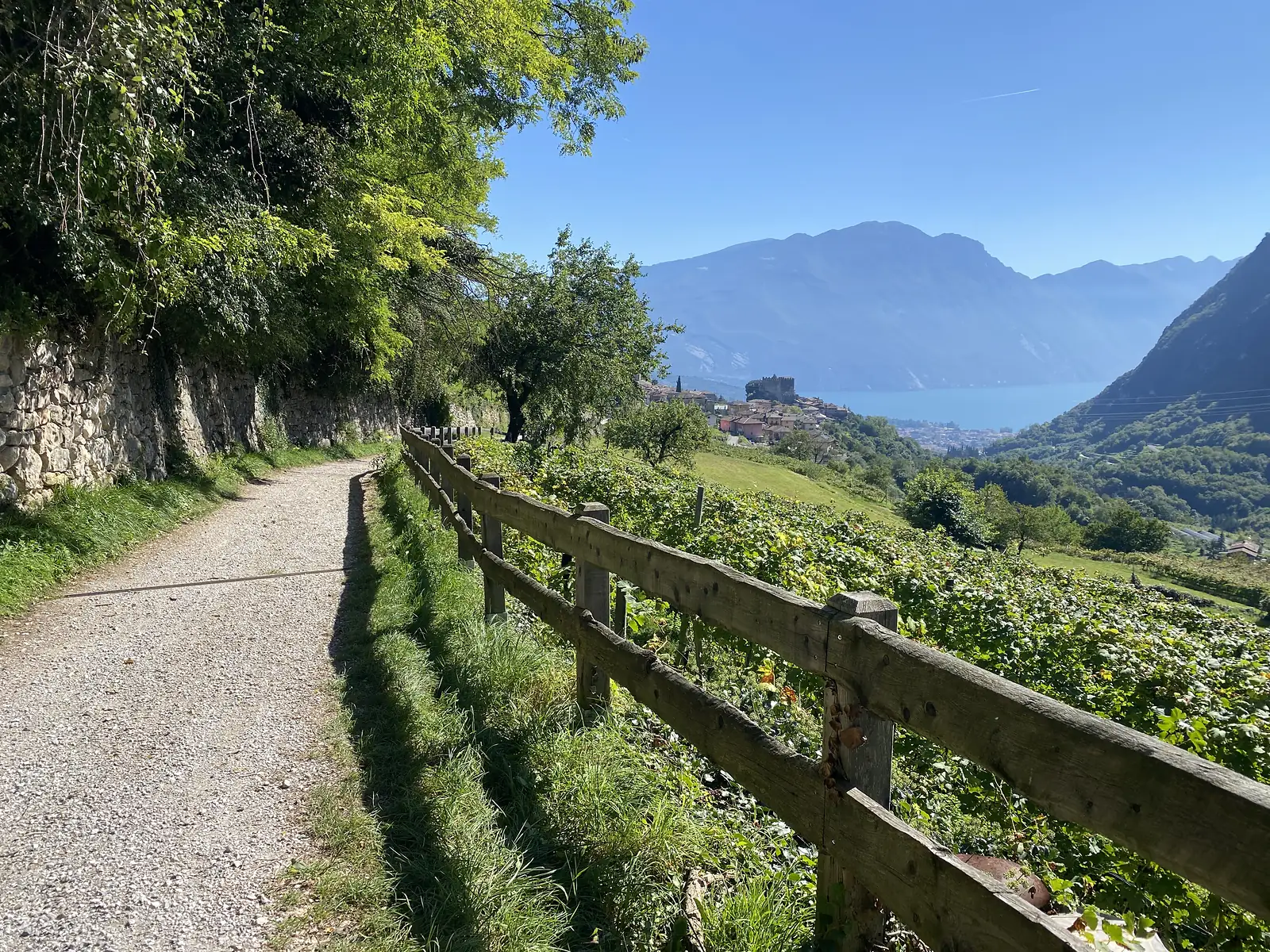
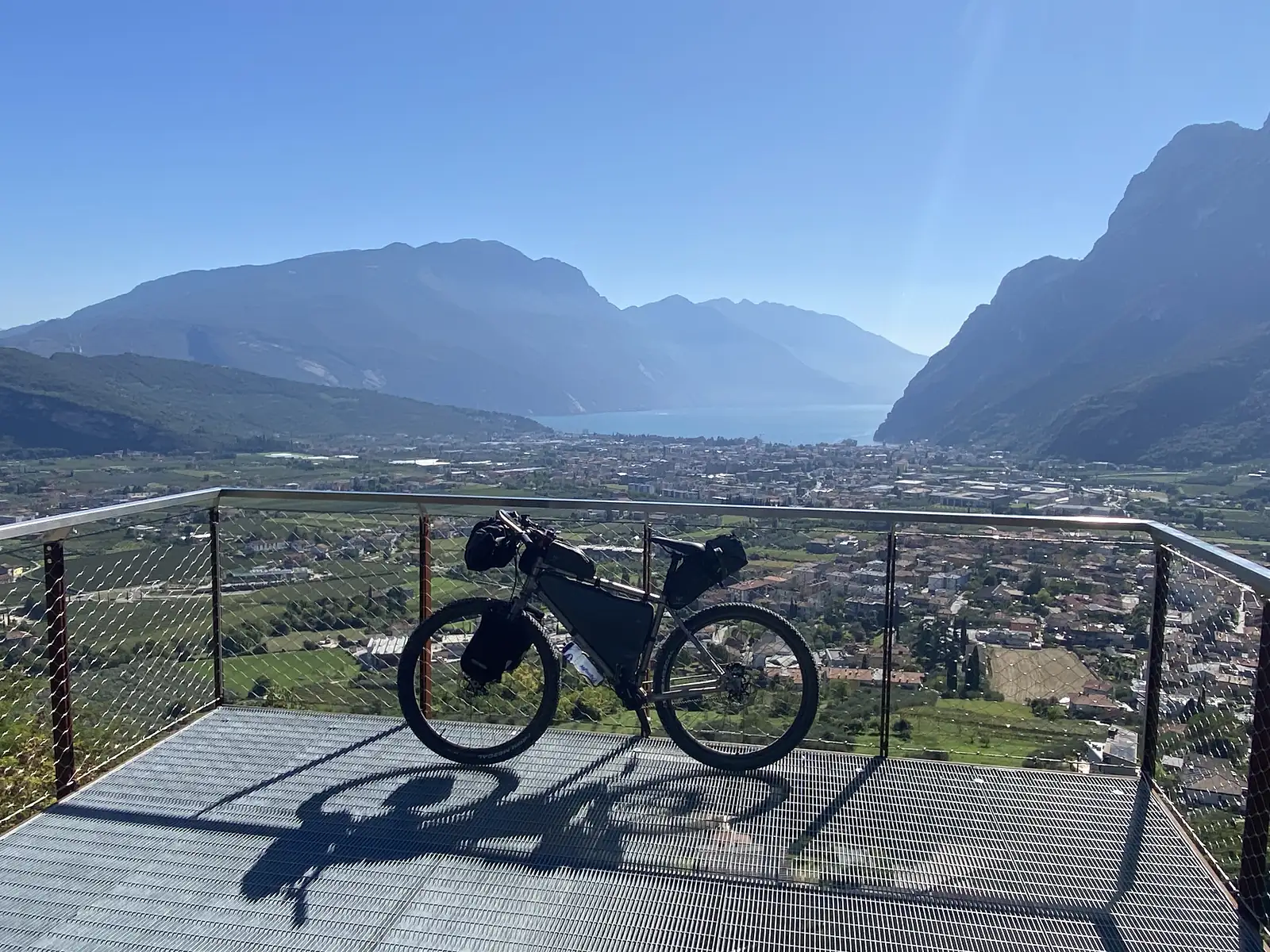
- If you’re taking one of the high routes between San Lorenzo and Riva del Garda then you must stop at Malga San Giovanni, a truly great place for a great value lunch . You sit out on benches with sublime views 1000m over Lake Garda in the distance. Also, if you do stop for lunch there then be sure to follow the trail past the Croce di Bondiga for yet more amazing views over the lake. The main risk with taking this route is spending so much time just sitting and taking in the scenery.
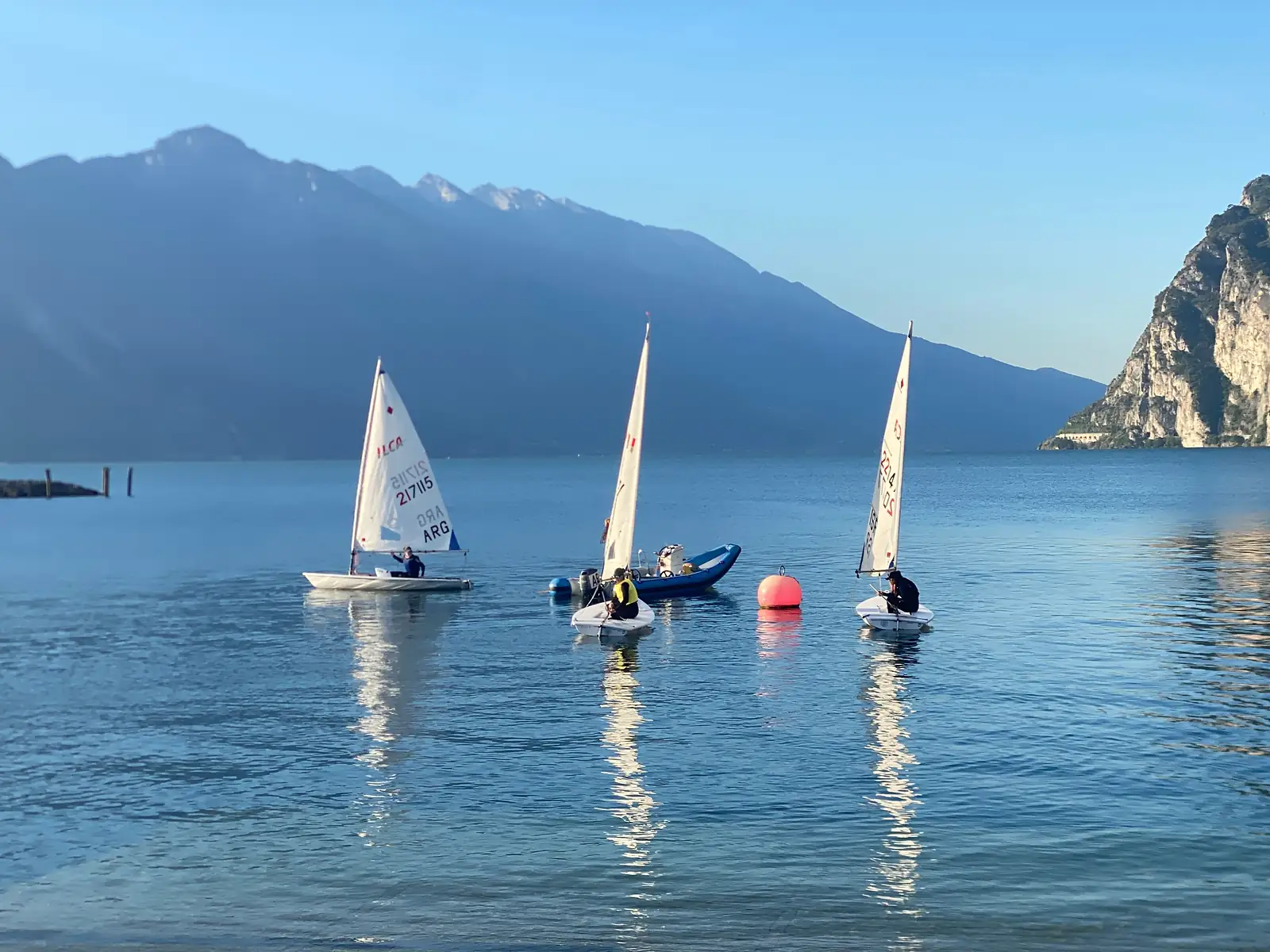
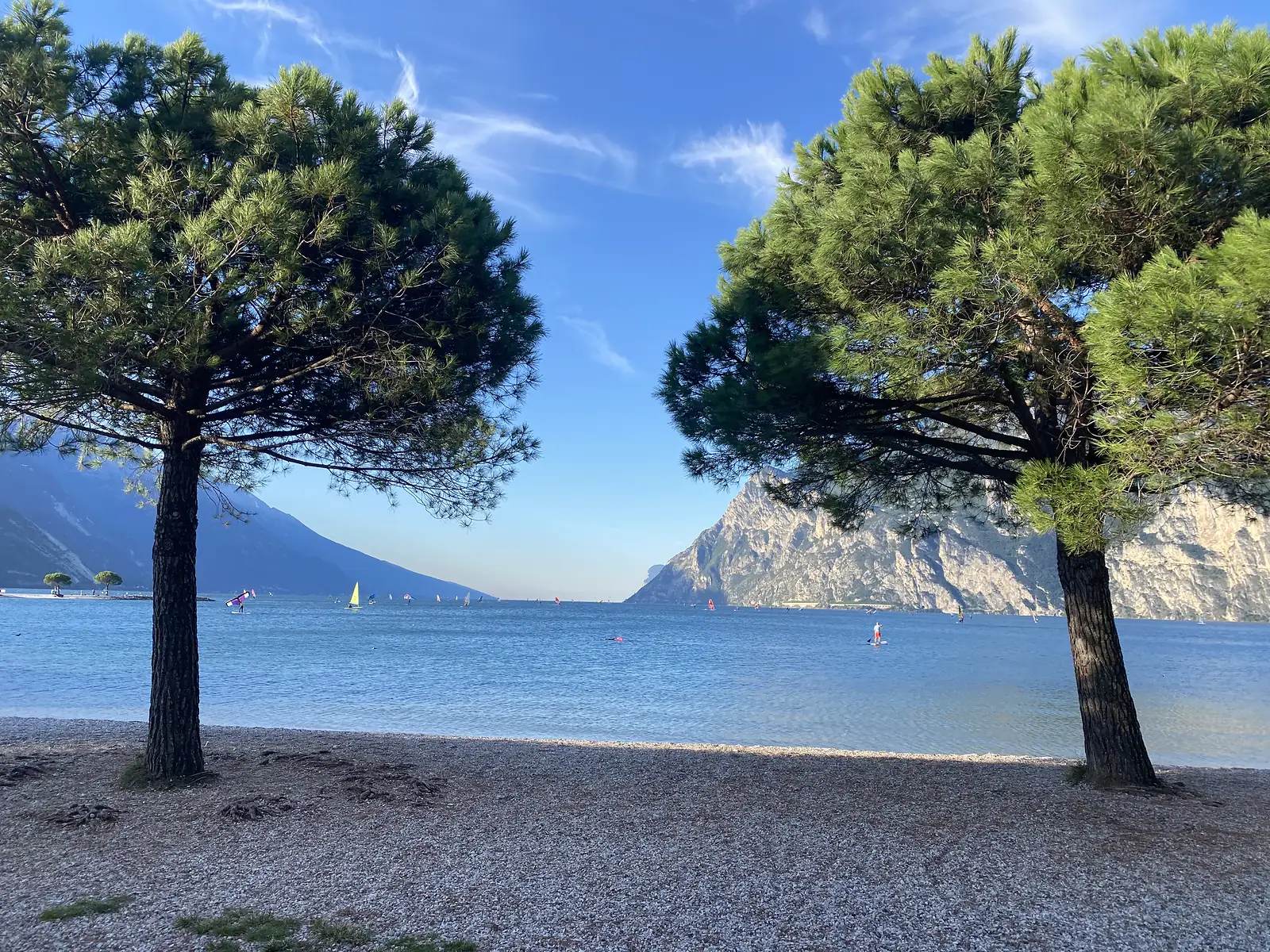
- Riva del Garda itself is a wonderful town, a little touristy perhaps, but still feeling distinctly local (or at least it was in September).
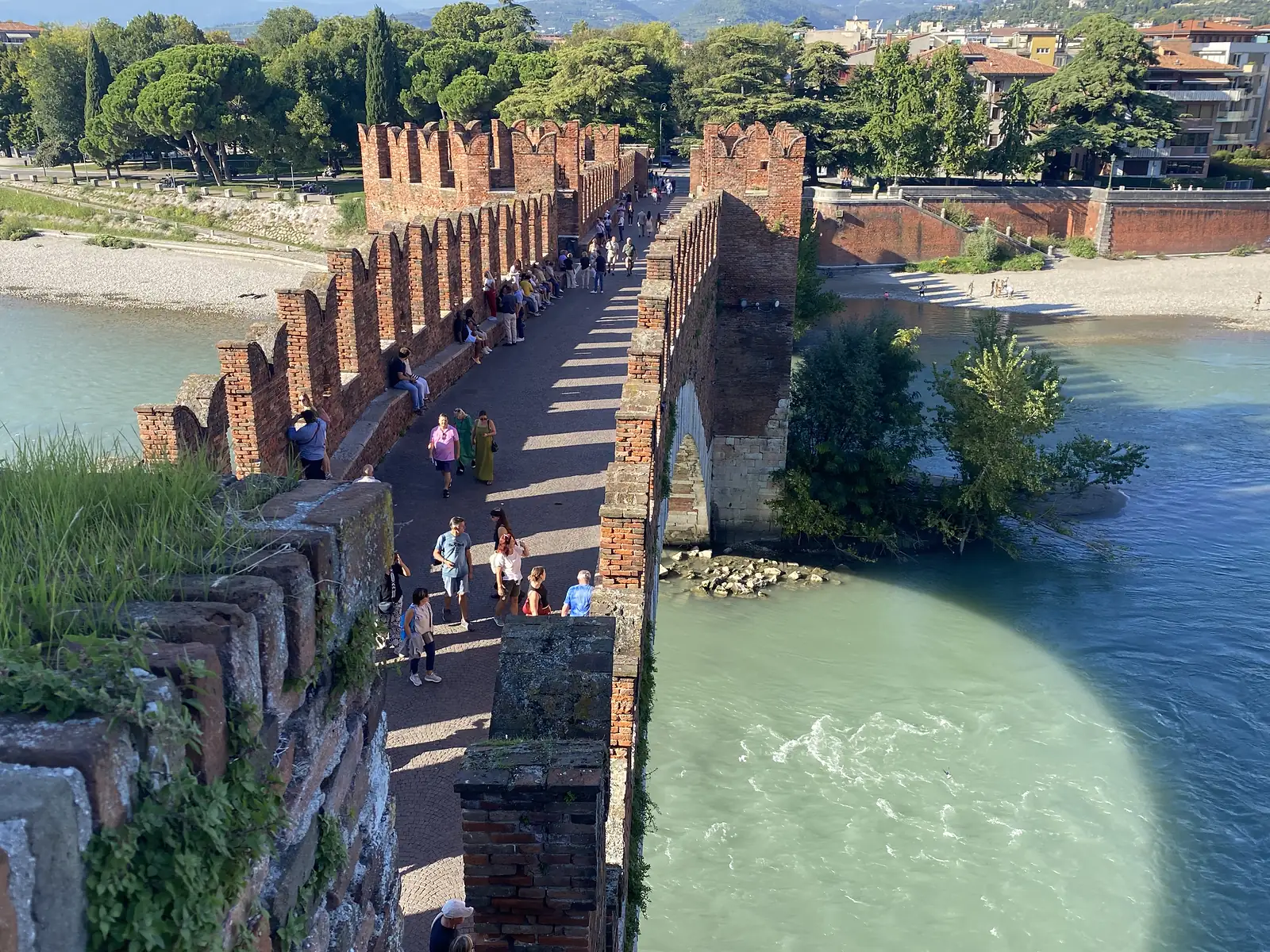
- There’s lots written about Verona, and its a great place to visit. Something new to me this time was an experimental dough restaurant, Saporè Downtown. Although clearly not a gluten free dream, it is unique. You get to try the taste and texture of a series of different doughs used for pizzas in very different ways.
Hard route, creative solutions
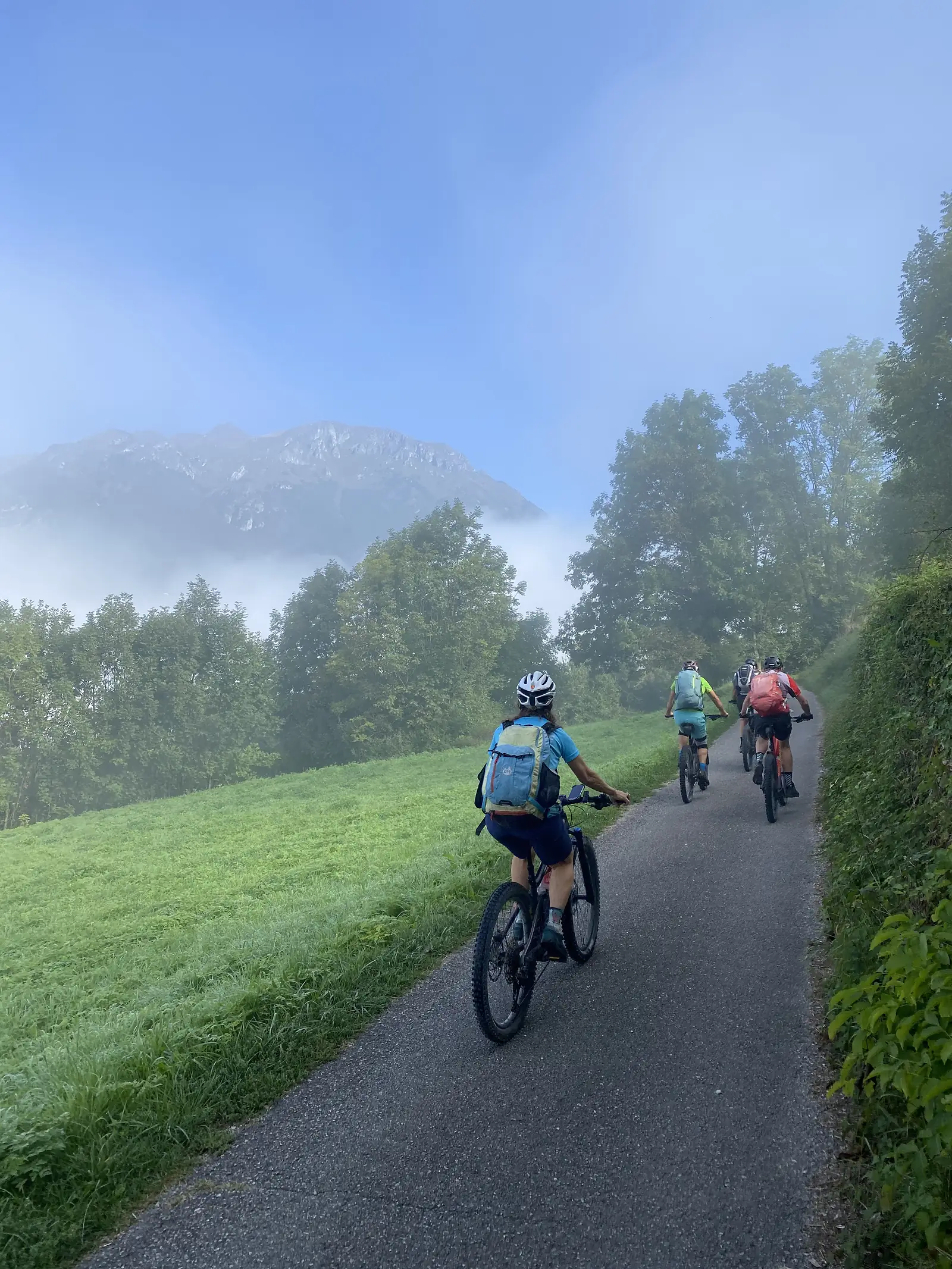
At times this route is very steep for long periods and if you’re an ordinary person like me then this will be hard. With low enough gears you can go up almost anything, but at one point I was going so slowly I was overtaken by a hiker!
I found two really helpful solutions to this:
On these long steep stretches I’m pedalling at a reasonably constant cadence so I tried to forget my legs and focus only on breathing, slowing it down, almost meditating, thinking “This is good for me, just breathe deeply and regularly and enjoy”.
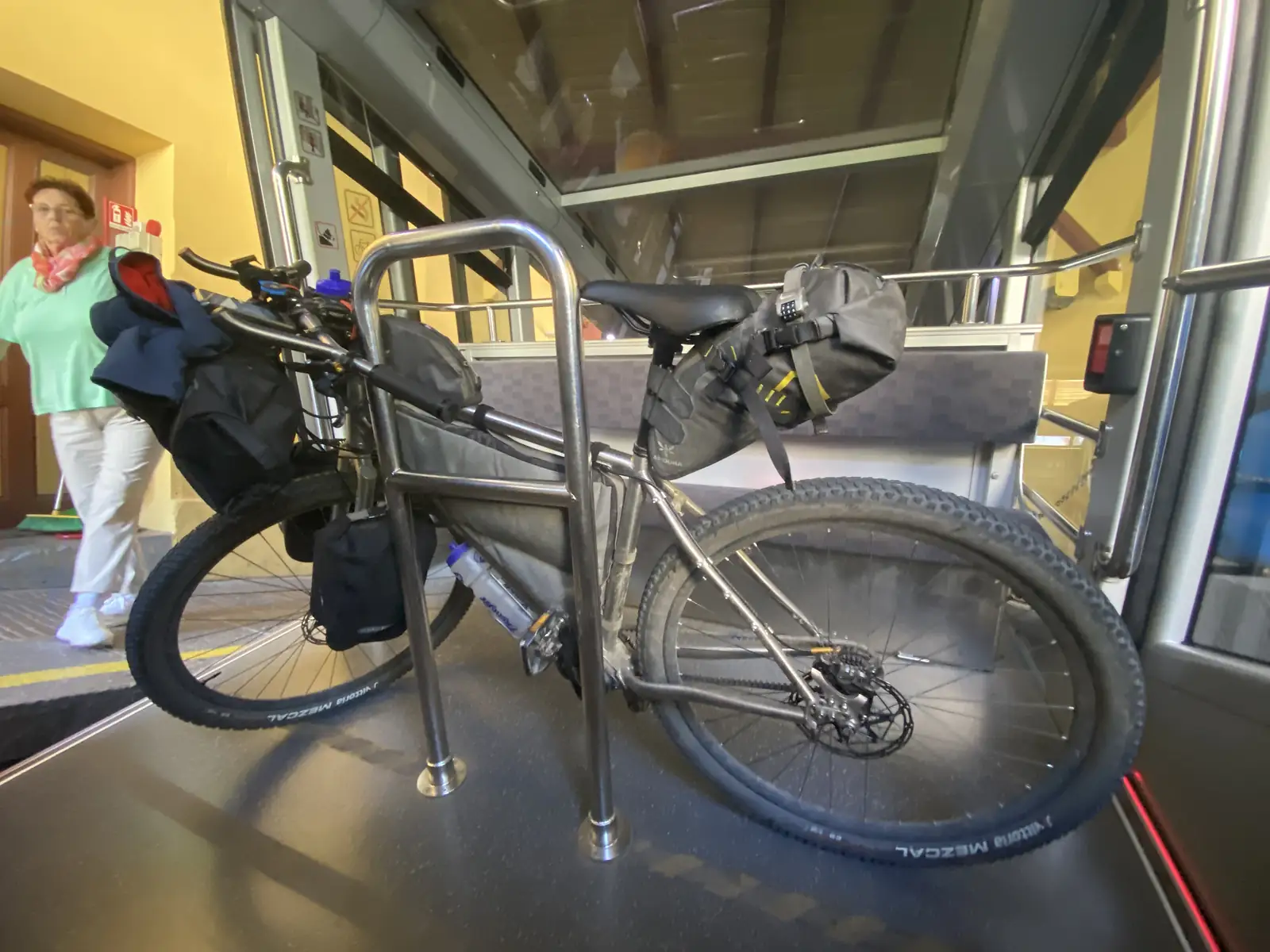
The other solution was that these are the mountains and there’s plenty of alternatives for going up them. I used a cable car on day 1 near Innsruck and on day 4 I used a funicular. Key rule… if you’re tired or expect to be then there’s no harm in looking at alternatives (they’re also quite fun experiences).
On a bike you’re closer to the world around you and can smell it
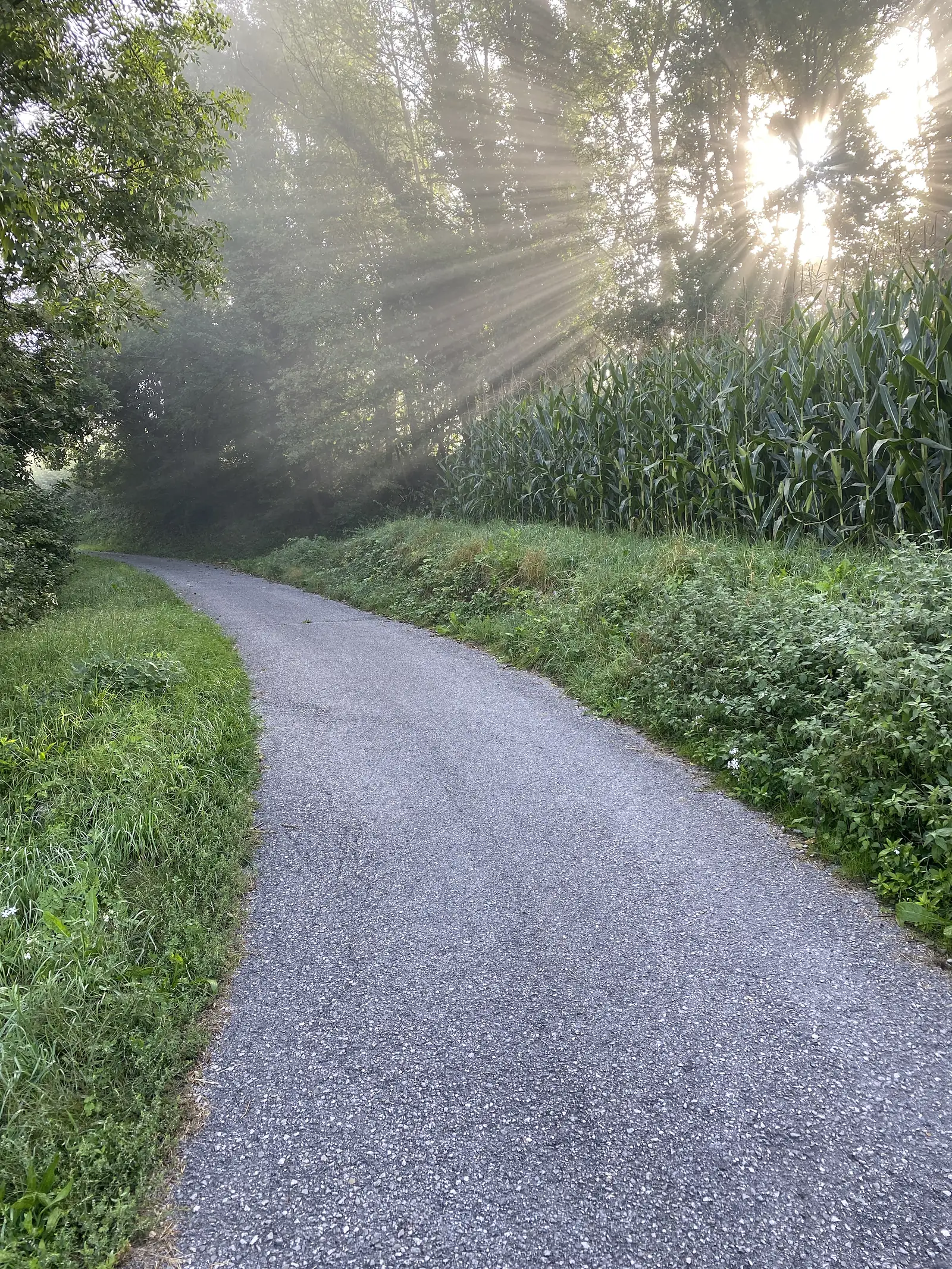
One thing that struck me on my climb above the Jaufenpass (Rinner Saddle) was that on a bike you’re really exposed to smells… so my memorable smells (excluding the ubiquitous cow shit) were:
- Unknown flower… climbing through through the meadows of Jaufental
- The warm angle grinder smell of hot brakes and tired engines from the vehicles on my way down from the pass
- The distinctive smell of fresh apples whilst passing the myriad of orchards in Val de Non
- Walking through Meran, a lush Belle Époque spa town, there’s the smell of dozens of tropical looking plants.
The history of South Tyrol weighs heavy
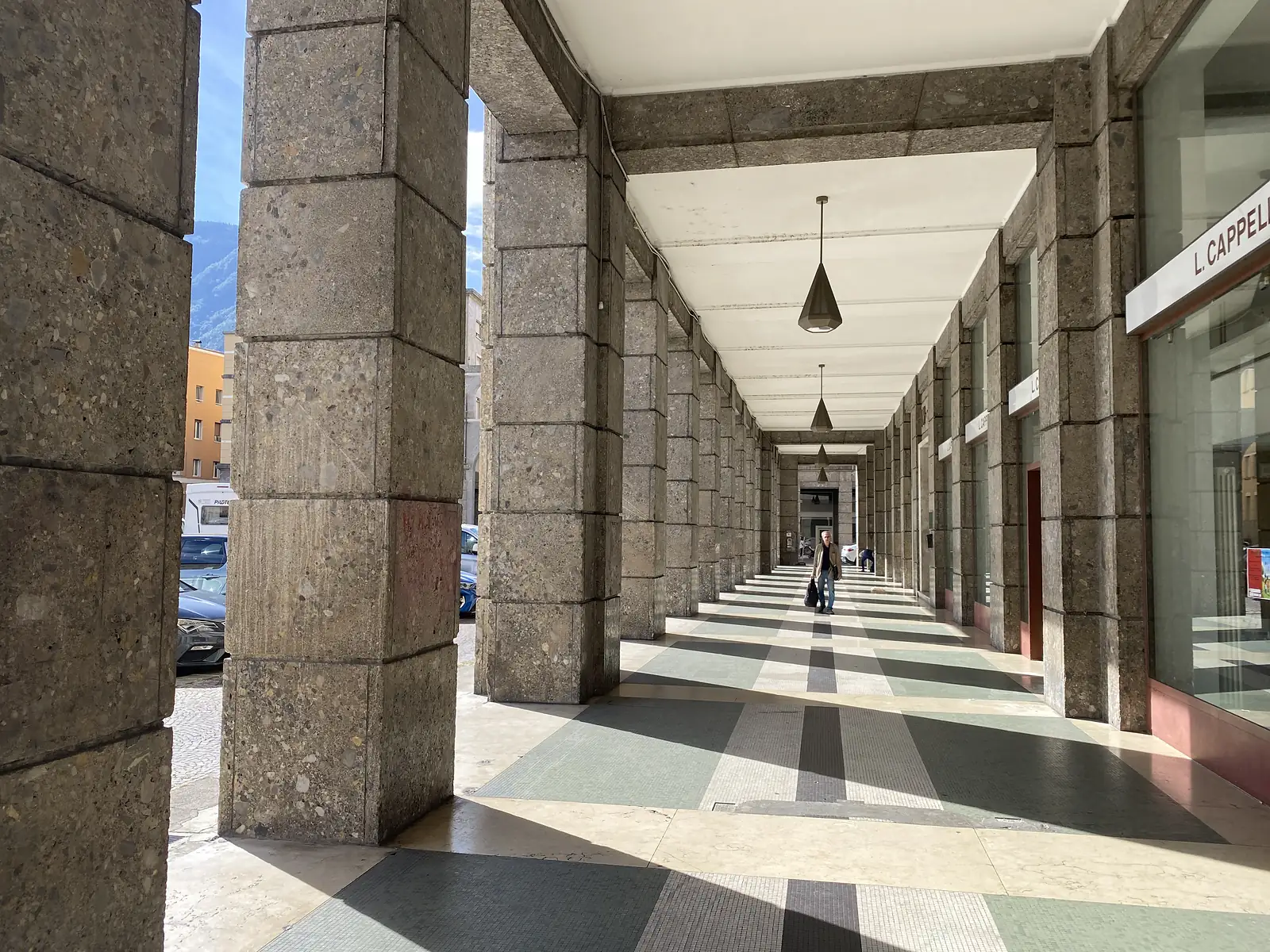
I took a longer detour to Bolzano to make up for cheating by taking the funicular. Two hugely important fascist buildings:
The Victory Monument was erected in 1928 by Mussolini as a giant fuck you to the recently subjugated South Tyroleans (although it is supposed to memorialise the dead from WW1).
It’s basically a giant set of fasces, the bundle of sticks with an axe, originally symbolising dominance and punishment (corporal and capital). The symbol was used by the Romans to represent the power of the magistrates, evolving over time until its widespread use as a symbol of justice. It’s contradictory use as a symbol of strength in unity (revolutionary France and the US) is probably of fabulous origin: Aesop described the fragility of a single stick vs a bundle. It’s easy to see how this widespread disparate use of the symbol has meant it’s harder to remove this symbol of Fascism from the West compared with the non-Western swastika.
It’s inscription means “Here at the border of the fatherland set down the banner. From this point on we educated the others with language, law and culture”, a clear attempt to impose Latin culture on the native German speakers.
It therefore remains a controversial monument, but has now been turned into a museum to provoke reflection and open dialogue on identity in South Tyrol.
The other key building is the Casa del Fascio, the home of the Italian Fascist Party. The most striking feature is a huge bas-relief telling the story of the “triumph of Fascism”, with Mussolini on horseback in the centre. Again modern politicians have found a way to retain the building yet refute its purpose:
Hannah Arendt’s words “No one has the right to obey” now cover the relief, contrasting the fascist dogma of “Believe, obey, combat” with that of individual moral responsibility, suspension of which she argued is the cause of the “Banality of evil”. In 2025 this is something we could all reflect on.
Cyling to the station at home and getting off in a faraway land
For me there’s no form of travel quite so liberating and sustainable as combining long distance trains and bikepackimg/gravel routes in Europe. With a bit of imagination and time you can get anywhere in Europe by rail using night trains and normal trains. You then get to cycle for a few days and at the end get on another train and still get back home without ever packing your bike away.
A trip through art history in Hamburg
A big highlight of this trip wasn’t actually in the Alps, but in Hamburg at the Kunsthalle next to the main station. I went for Caspar David Friedrich’s masterpiece, Wanderer above the Sea of Fog: sometimes I’m trying to recapture that sense of freedom and confidence against the unknown whilst I’m cycling.
But the art museum isn’t just that one painting: it is a compactly curated trip through the history of Western art, well explained and manageable to a heathen like myself in less than 2 hours. If you’re changing trains in Hamburg there’s now some amazing, secured bike sheds to drop your bike and pop over the road for a couple of hours to the Kunsthalle (there’s also plenty of big lockers at the museum if you want to take some bags).
Are bears a problem in the Brenta Dolomites?
This route skirts the Brenta Dolomites and the area between Gampen pass and Ballino Pass (so mainly the areas of Val de Non, Andalo and the Comano Terme) is bear country. It is the heart of the area where the females live with their cubs over summer and very close to where a man was killed by a bear in 2023. I travelled many km through these areas alone on forest trails.
There are many signs warning of “Bear Area”, and official advice seems to be to make noise whilst moving: not a problem where the slopes regularly touch 25% and swearing becomes a mandatory form of motivation.
The advice also outlines what to do if you come across one: move away slowly, keep talking, and don’t panic if it charges at you (apparently 90% of charges are “fake”… I’d love to know how these stats were made up… who is testing that???).
Anyhow, after a few minutes in one “danger zone”, I came across a big school class with plenty of small kid decoys. If schools and kindergartens are happy to bring their children here then it seemed unlikey to be high risk.
However, the death of Andrea Papi has sparked quite a debate about the reintroduction of large carnivores here, an incredibly wild area with thousands of wilderness hectares. It also makes me think about densely populated Denmark and the wolves reintroduced there that are regularly spotted in towns and at least once outside a kindergarten. Should large carnivores be so close to people? Or should we retreat?
Route map
Open in KomootStays
- Overnight on the train!
- Trins. Hotel Tinserhof. Family hotel. Amazing huge corridors and an ancient “wooden restaurant room”. Garage for bike.
- Sterzing. Haus am Turm. Boutique. Rooftop. Amazing view. Great food. Bike storage in a shed in the garden out the back.
- Merano. Villa Bavaria. Large family hotel in the Belle Epoque style. A giant dining room where it feels like people have been coming for centuries. Giant cellar for bikes
- Cles. Casa Fellin B&B. Great breakfast and a lovely host. Bike stored in the room.
- San Lorenzo. Hotel Castel Mani. The views! The pool! An odd restaurant. They have a dedicated bike room.
- Riva del Garda. Holiday IV Gardan. Really helpful people and a very tasty breakfast. Very smart bike room in the underground garage.
- Verona. Domus 44 Rooms - Porta Nuova. Very nice rooms. Great service from the owner and spot-on recommendations for food. Helpful with storing the bike in a locked room and ensuring I could get it very early in the morning.
- Overnight on the train!
Getting there and back
This is train-accessible bikepacking in the Alps at its best. Both ends are easily accessible from all over Europe, with plenty of direct connections from places as far away as Amsterdam and Hamburg.
Only the trip back from Verona to Innsbruck might pose some issues: the current direct Austrian RailJet service wasn’t bookable for bikes. But the Italian train up to Brenner (amost 2 hours) is a bike train lovers dream… there is literally an entire carriage that has been stripped out and replaced with bike mounts… you could perhaps get a 100 bikes on this thing. Well done Trenitalia! From Brenner, forget the Austrians and just “roll” down the hill for 40km to Innsbruck.
-
-
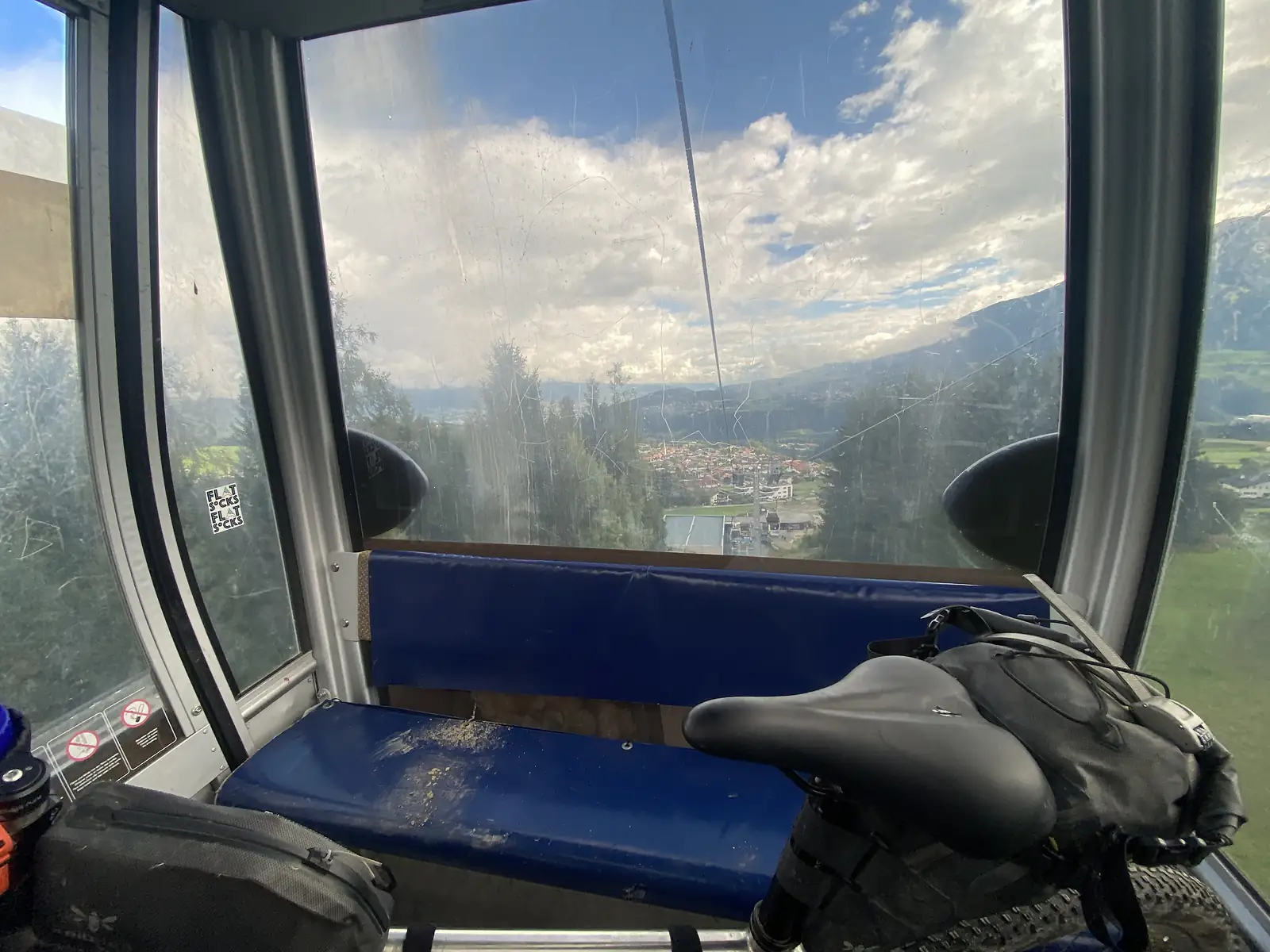
Taking the easy route, though there is 400m of climbing out of Innsbruck just to get to the base station. -
-
Lunch at Maria Waldrest -
-
-
-
-
-
-
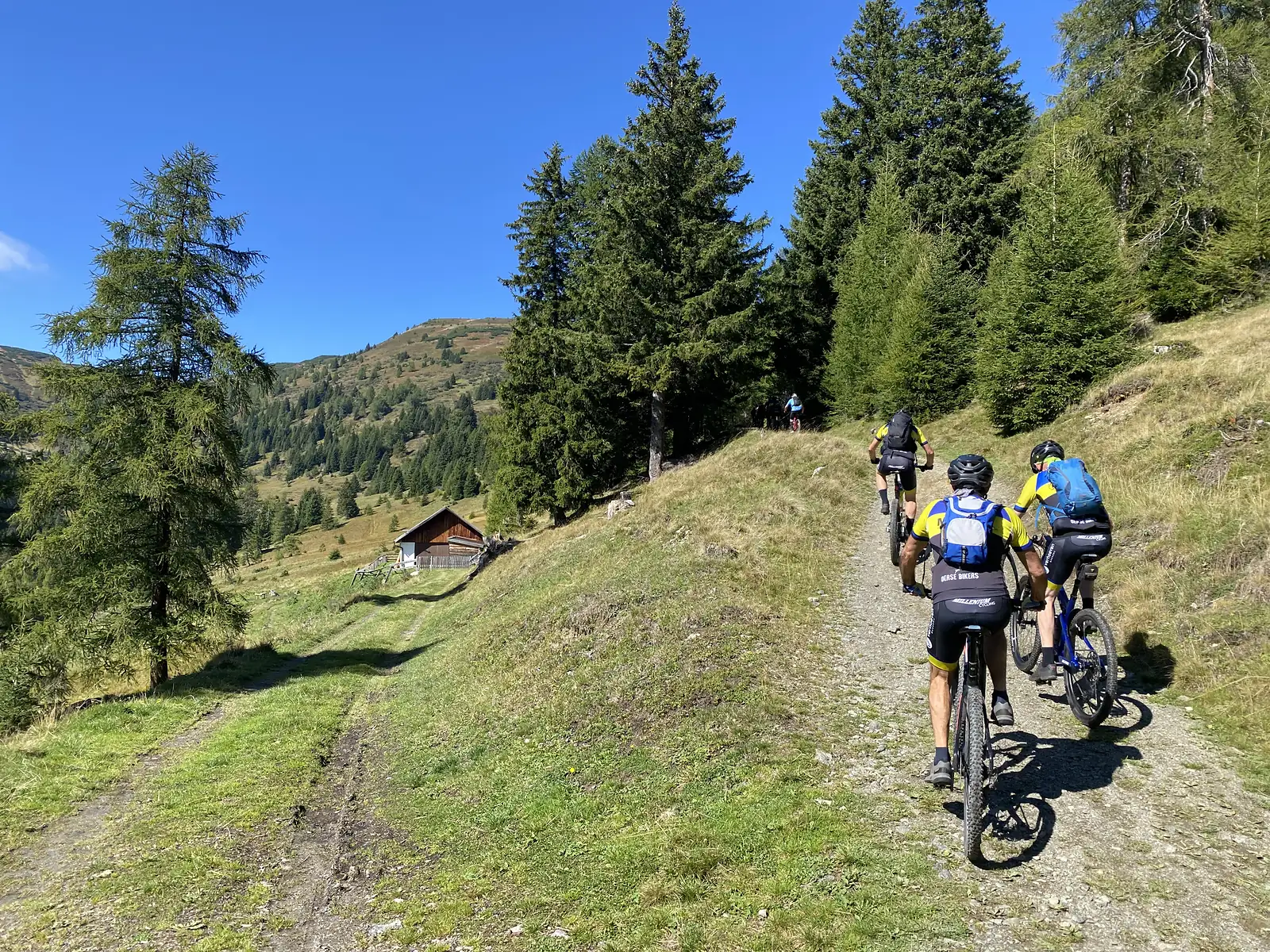
Climbing over Brenner. There were plenty of other people around. -
-
-
-
-
-
-
Sterzing. -
Milk churns. -
-
-
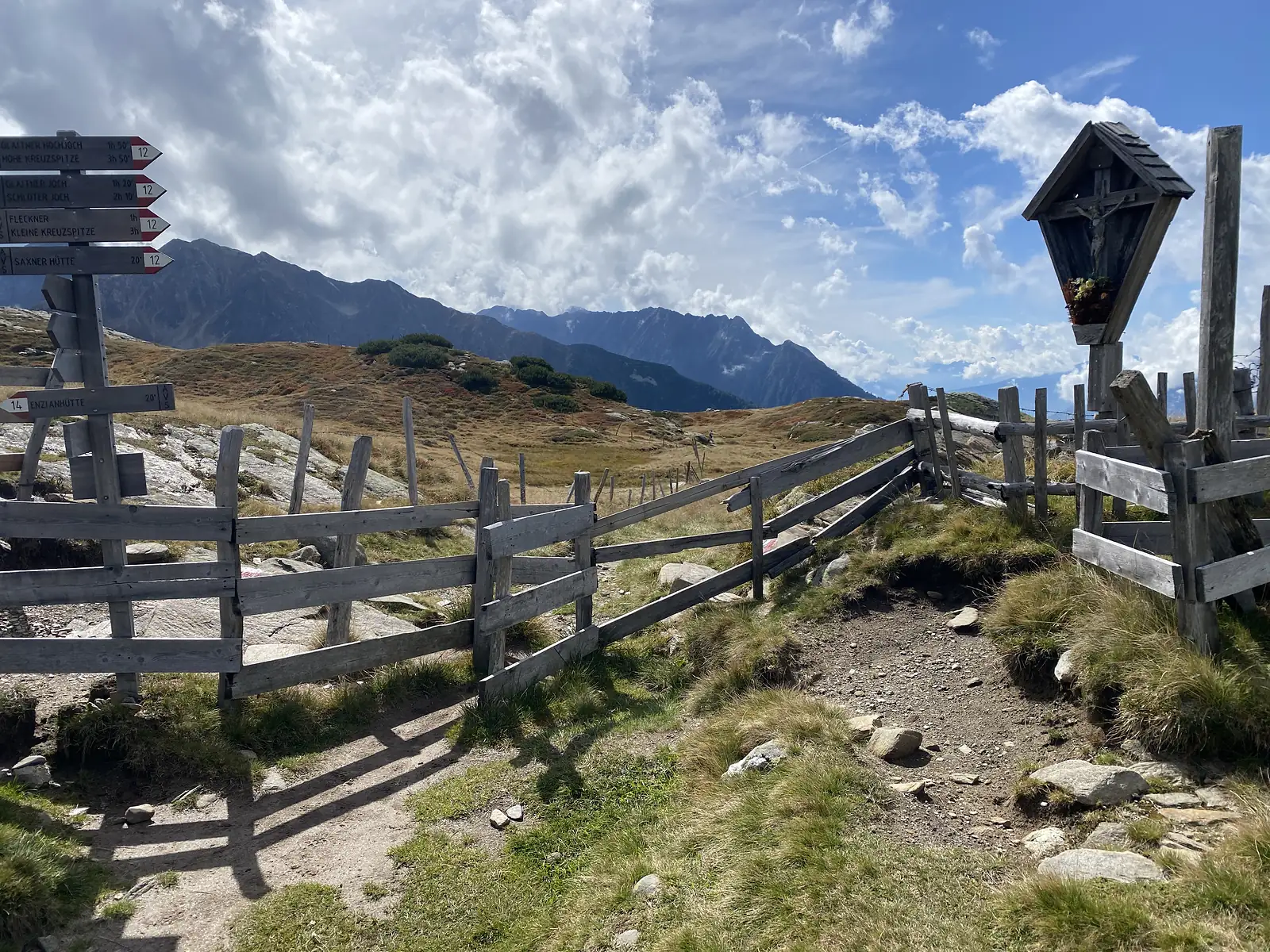
Taking the "shortcut" over Rinner Saddle. -
-
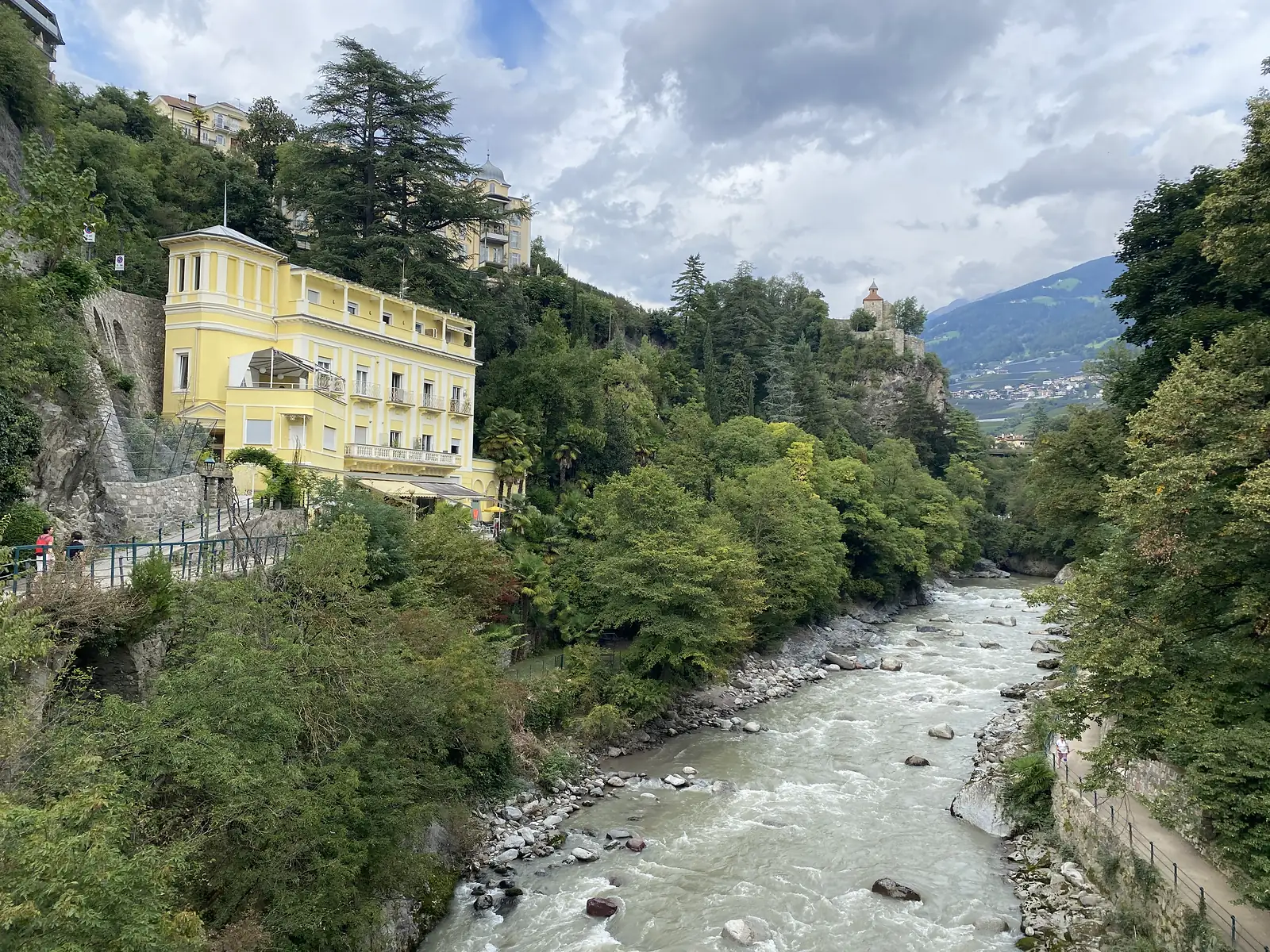
Merano. -
-
-
-
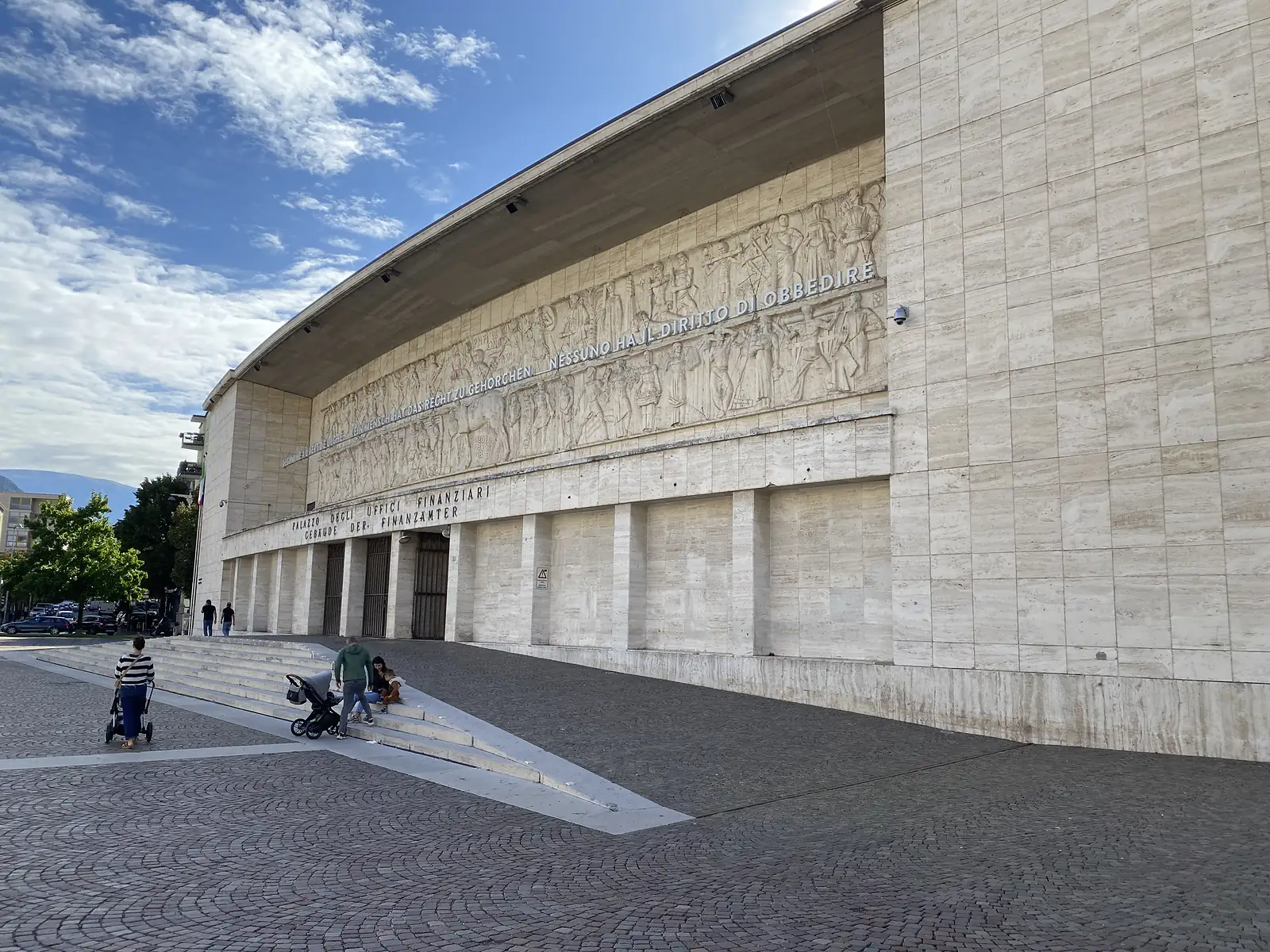
Casa del Fascio, the home of the Italian Fascist Party. -
-
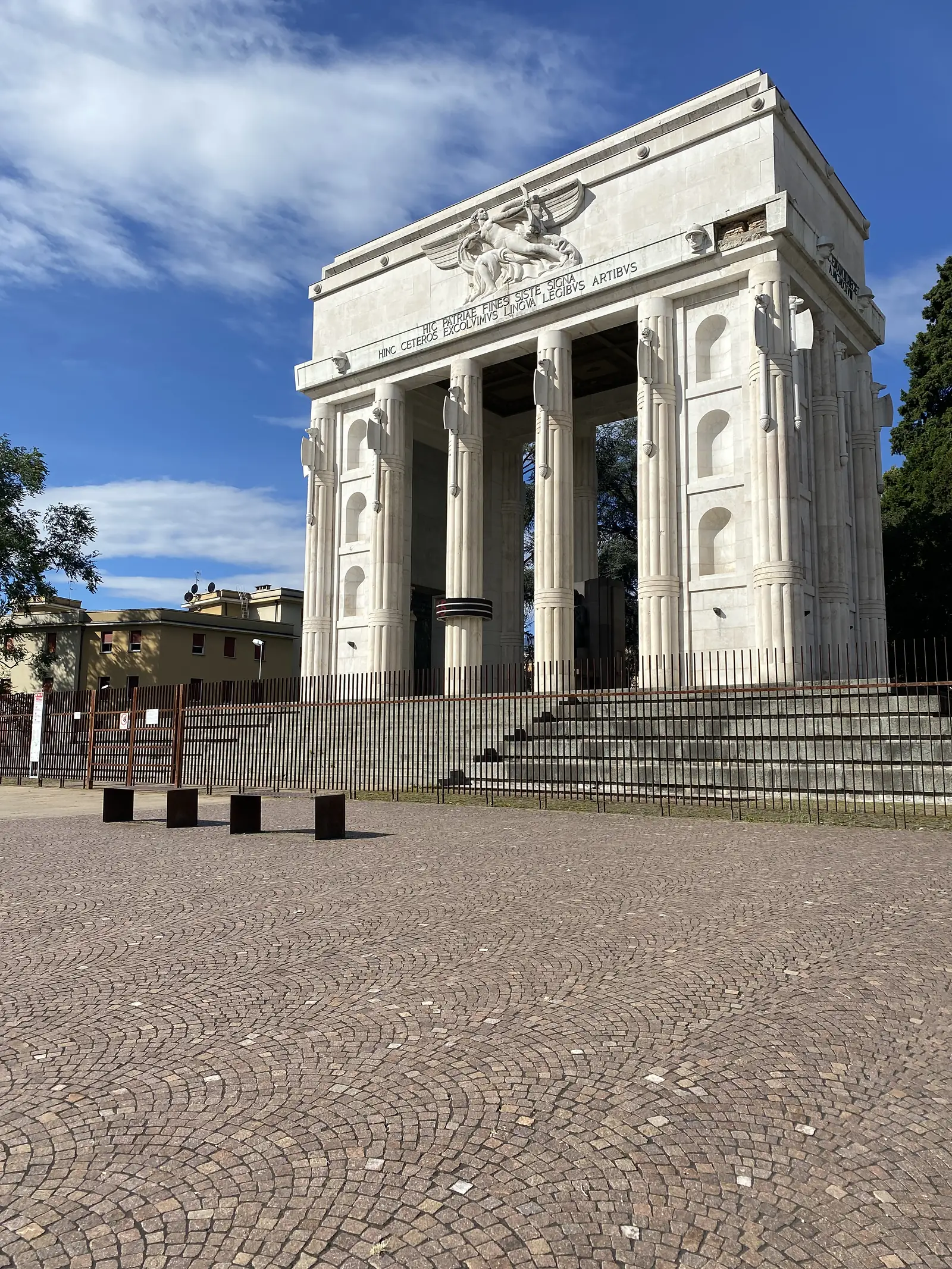
The Victory Monument in Bolzano. -
-
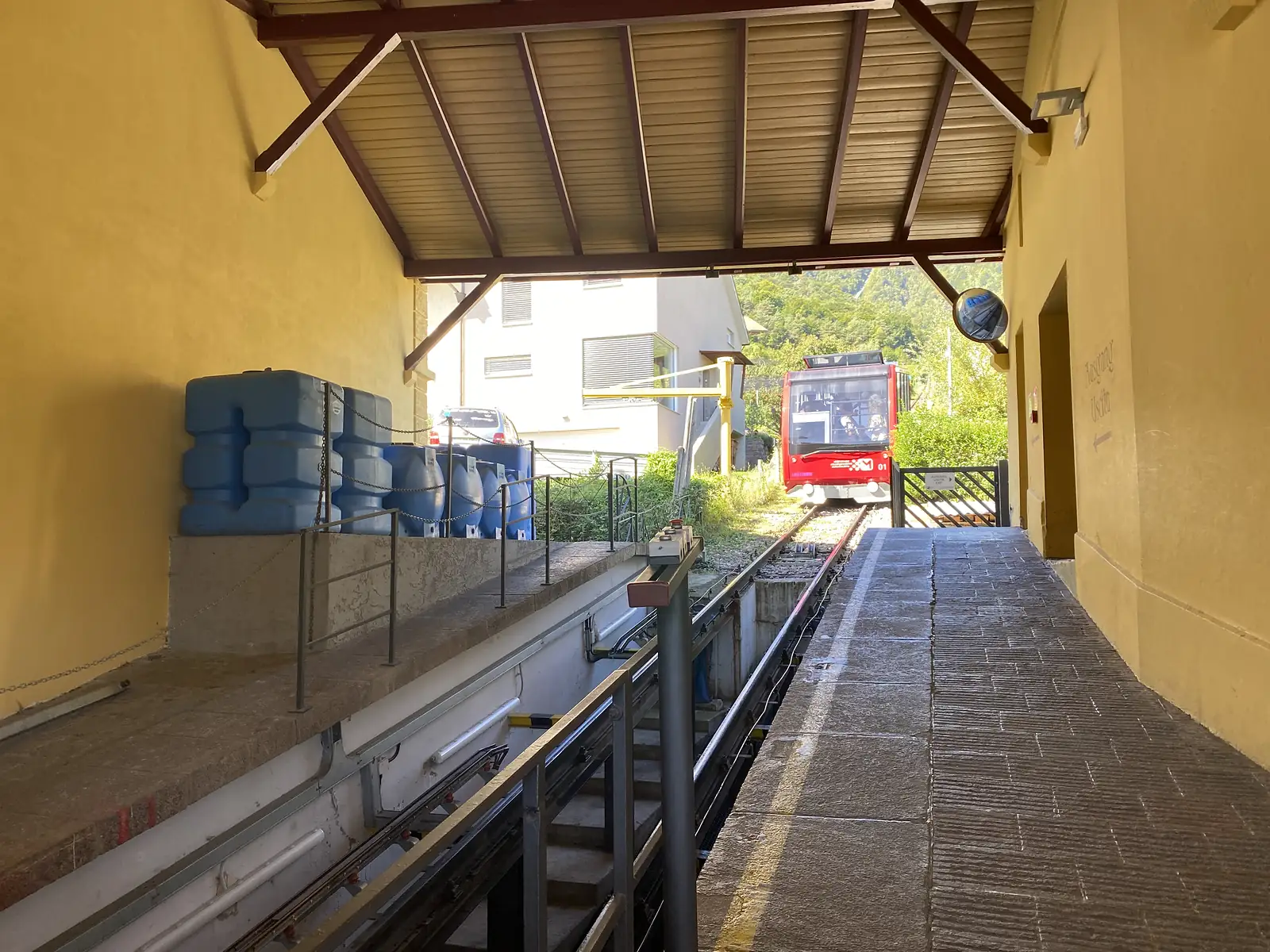
The Mendola funicular. -
-
-
-
-
-
-
-
-
-
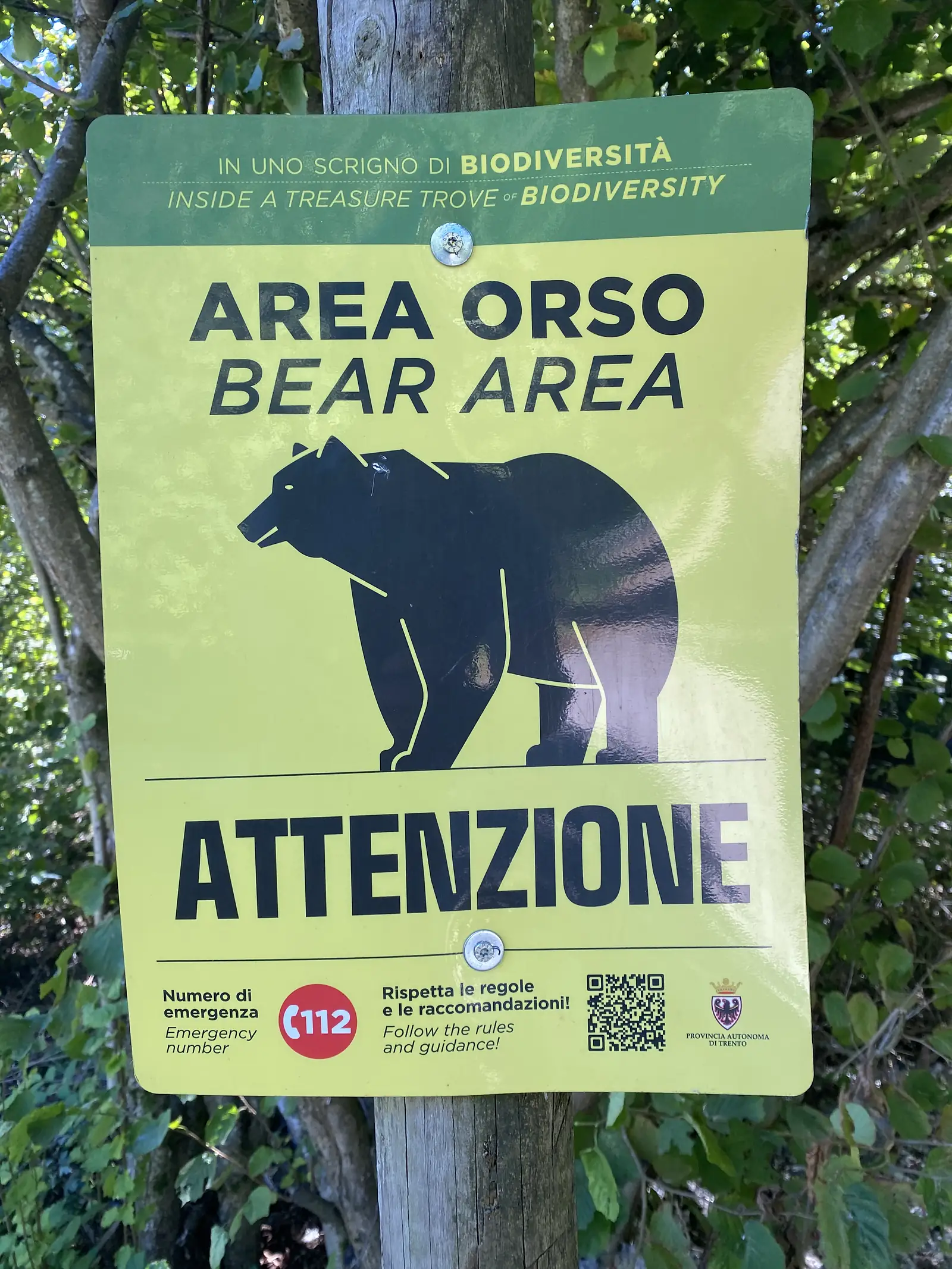
The sign says it all. -
-
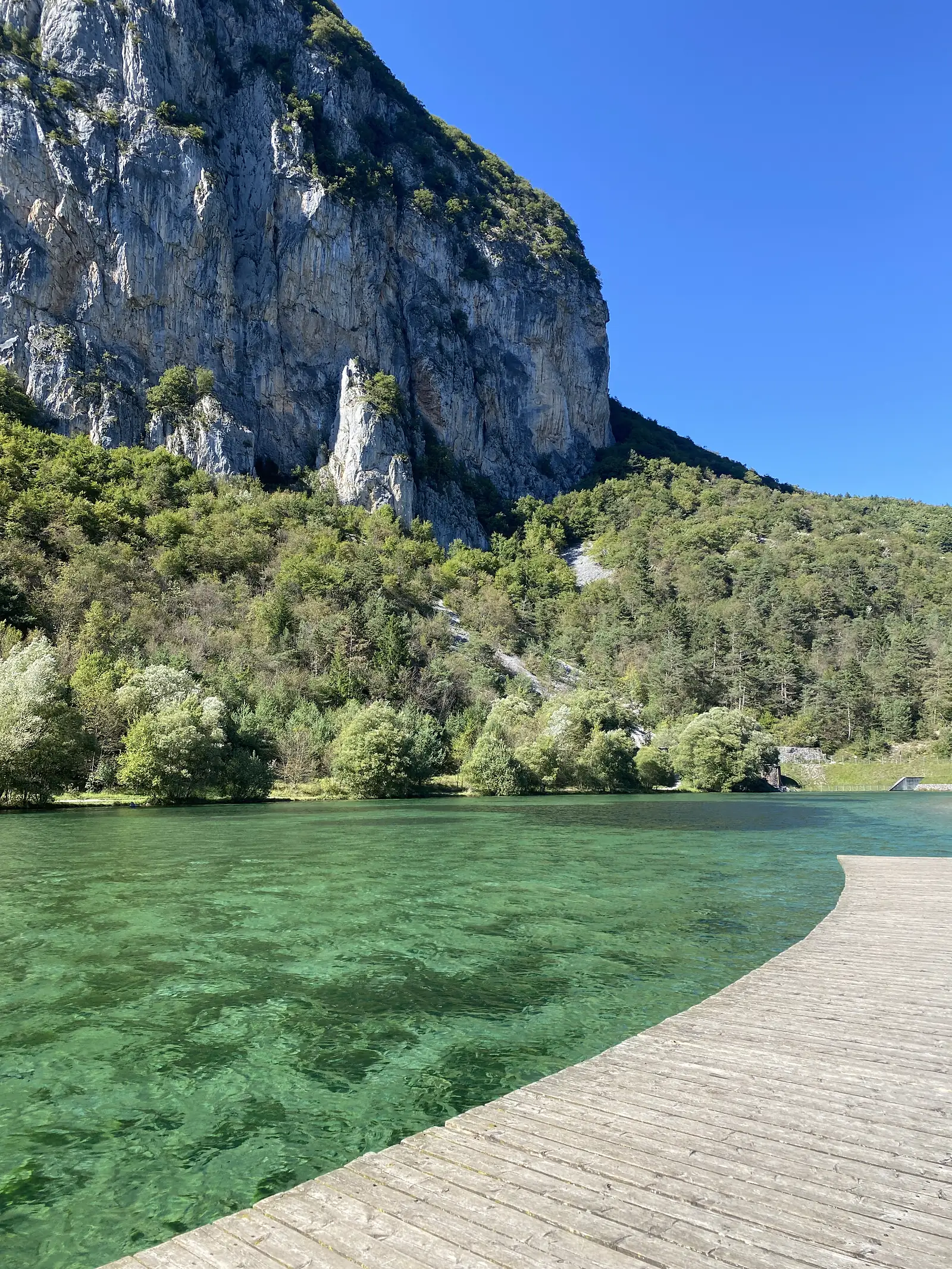
Lago di Nembia. -
-
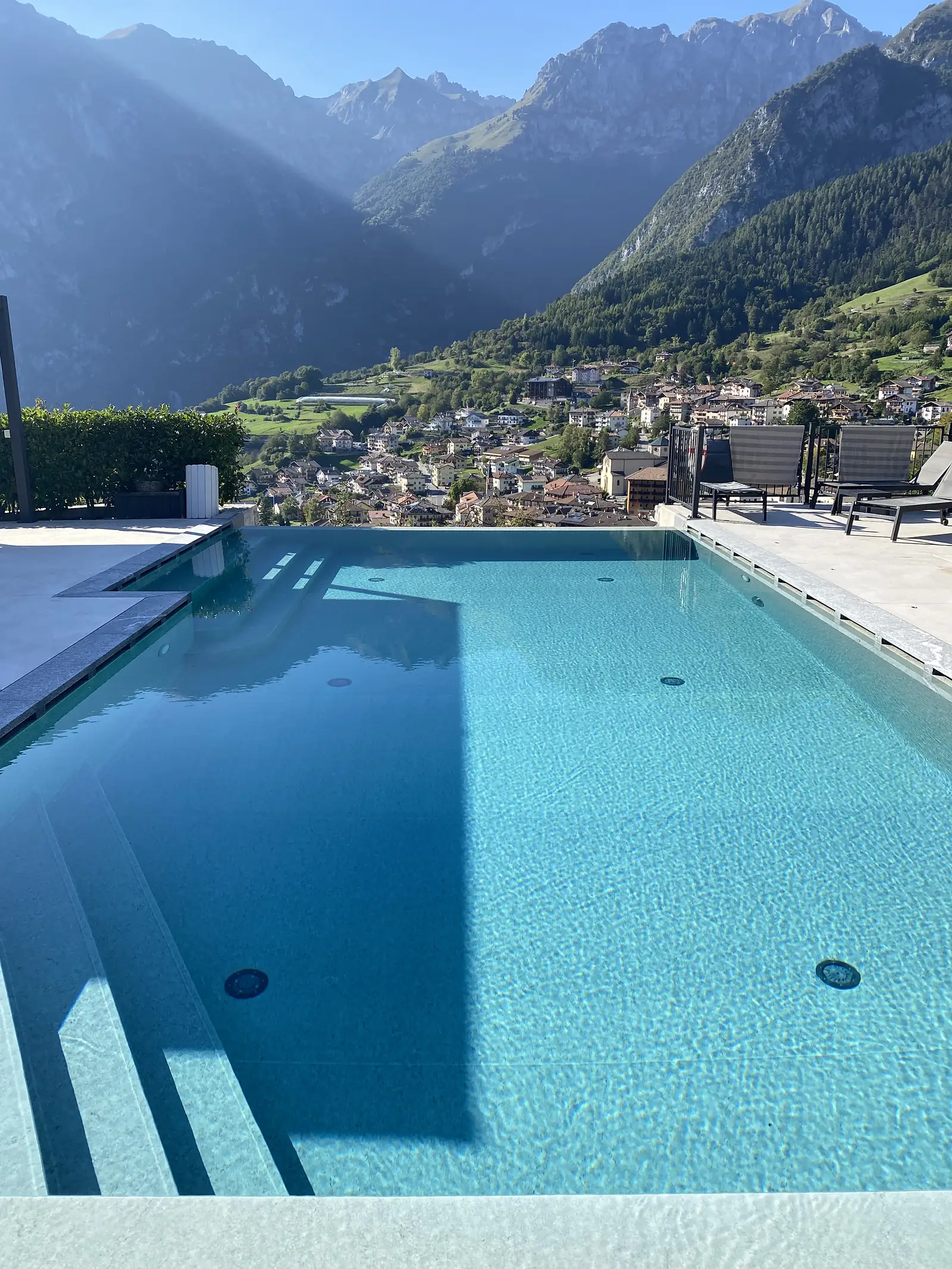
The wonderful pool at Hotel Castel Mani. -
-
-
-
-
-
-
-
-
-
-
-
-
-
-
Riva del Garda -
-
-
-
-