The smugglers route from Portugal to Spain
Gravel bikepacking the ancient smuggling trail between Portugal and Spain. 160km adventure cycling from the hills of the Algarve to the mountains of the Sierra de Aracena.
Description
This route joins together the gravel bikepacking routes of the Via Algarviana trail and the traversal of the Sierra Morena. It’s also the transition from Portugal to Spain.
It starts in the village of Vaqueiros and follows an offshoot of the Via Algarviana up to Martim Longo. This section is all off-road with a lot of ups and downs. In places it is overgrown and in at least one part (when crossing a river) it was difficult to find the track.
Martim Longo is a pleasant enough small town with a few cafes and bars, I tested the one near the roundabout.
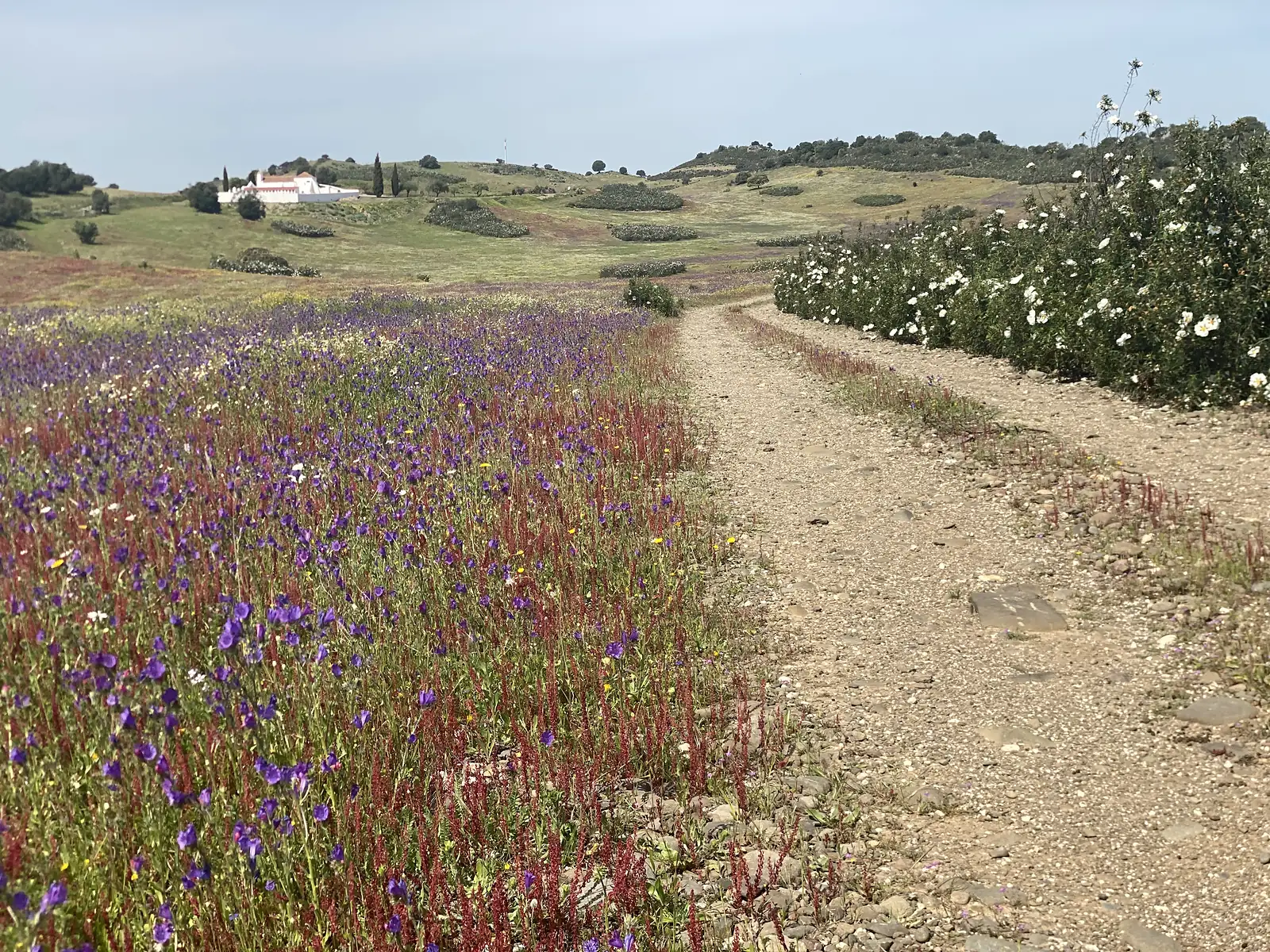
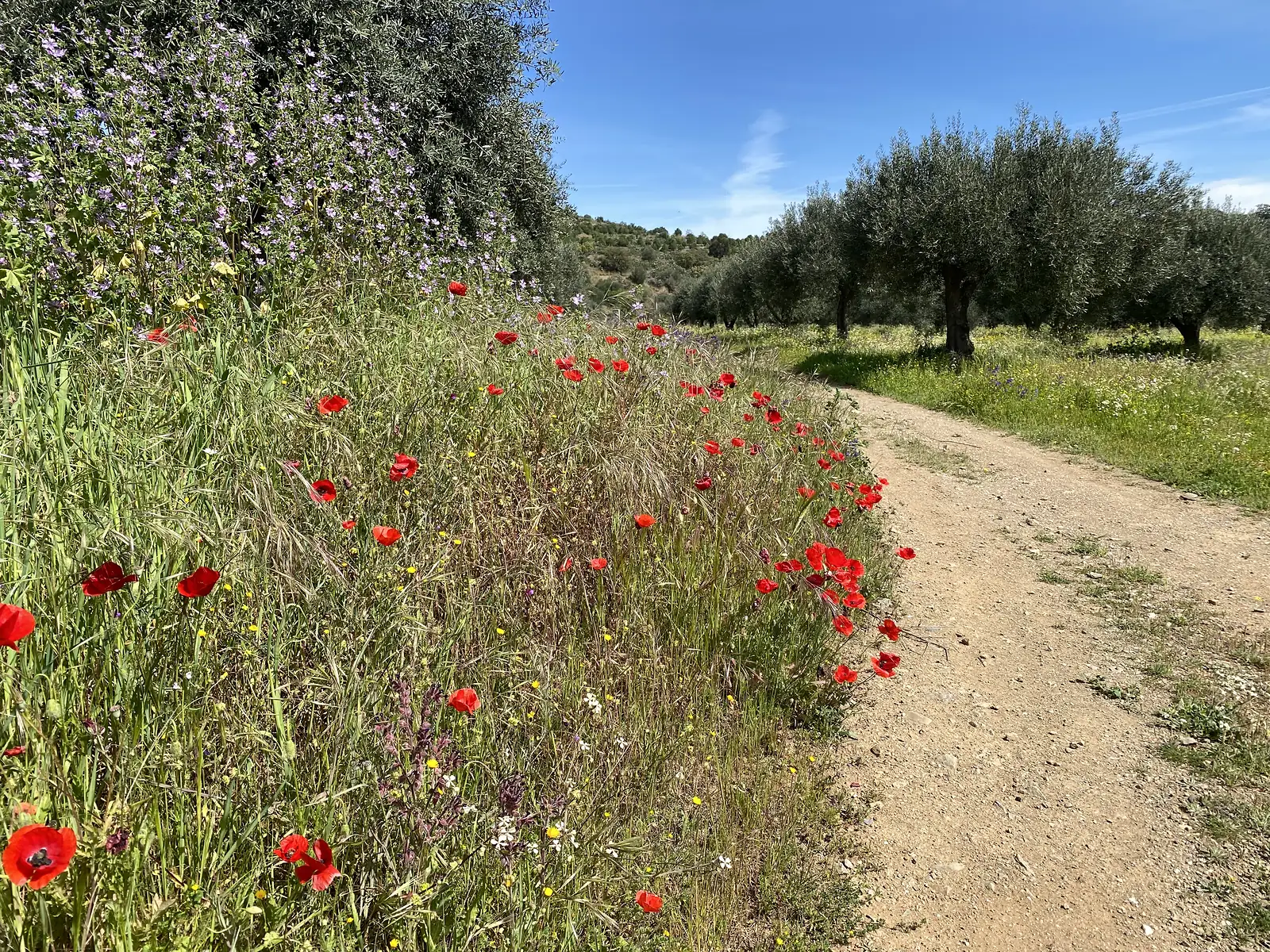
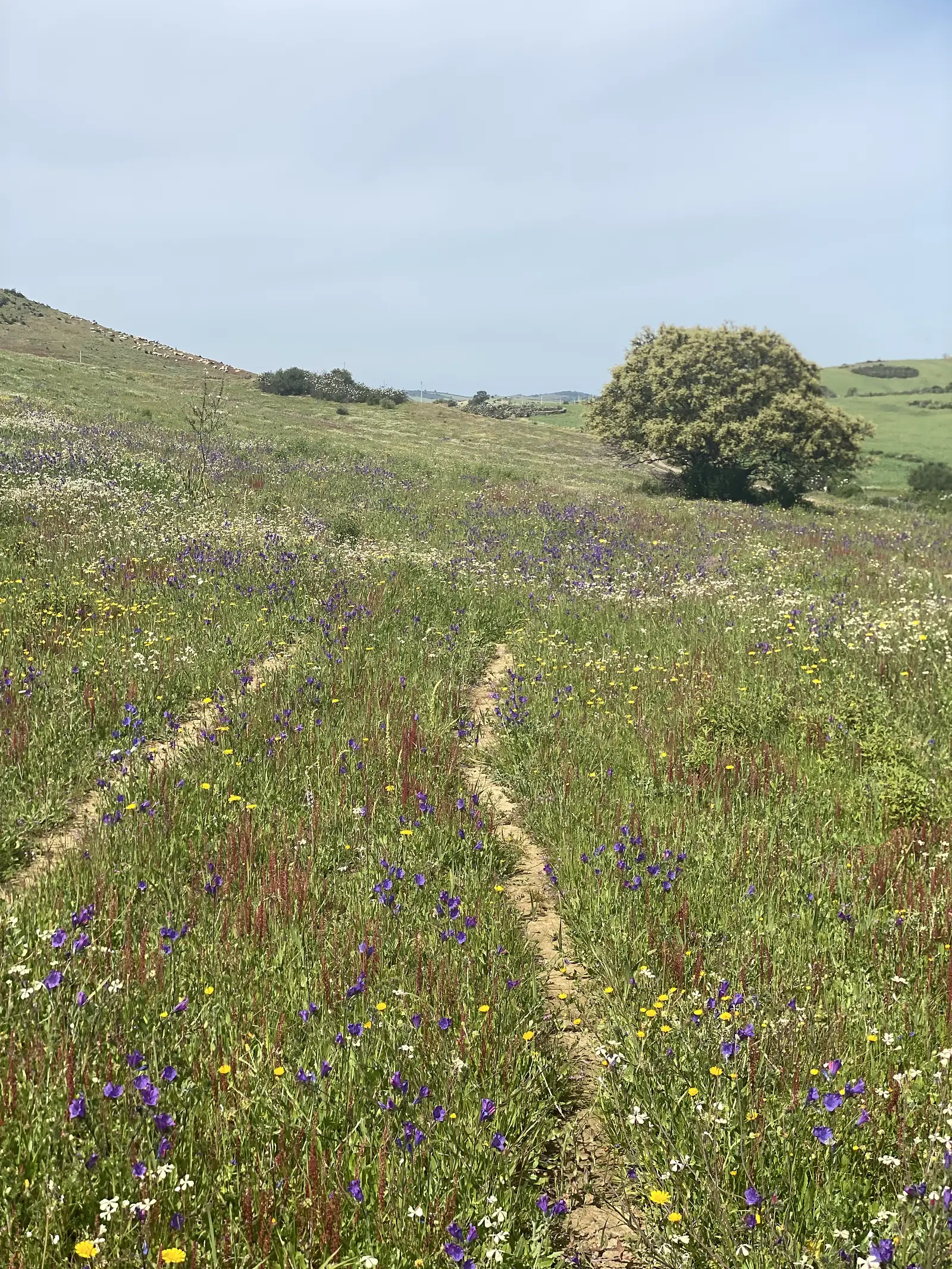
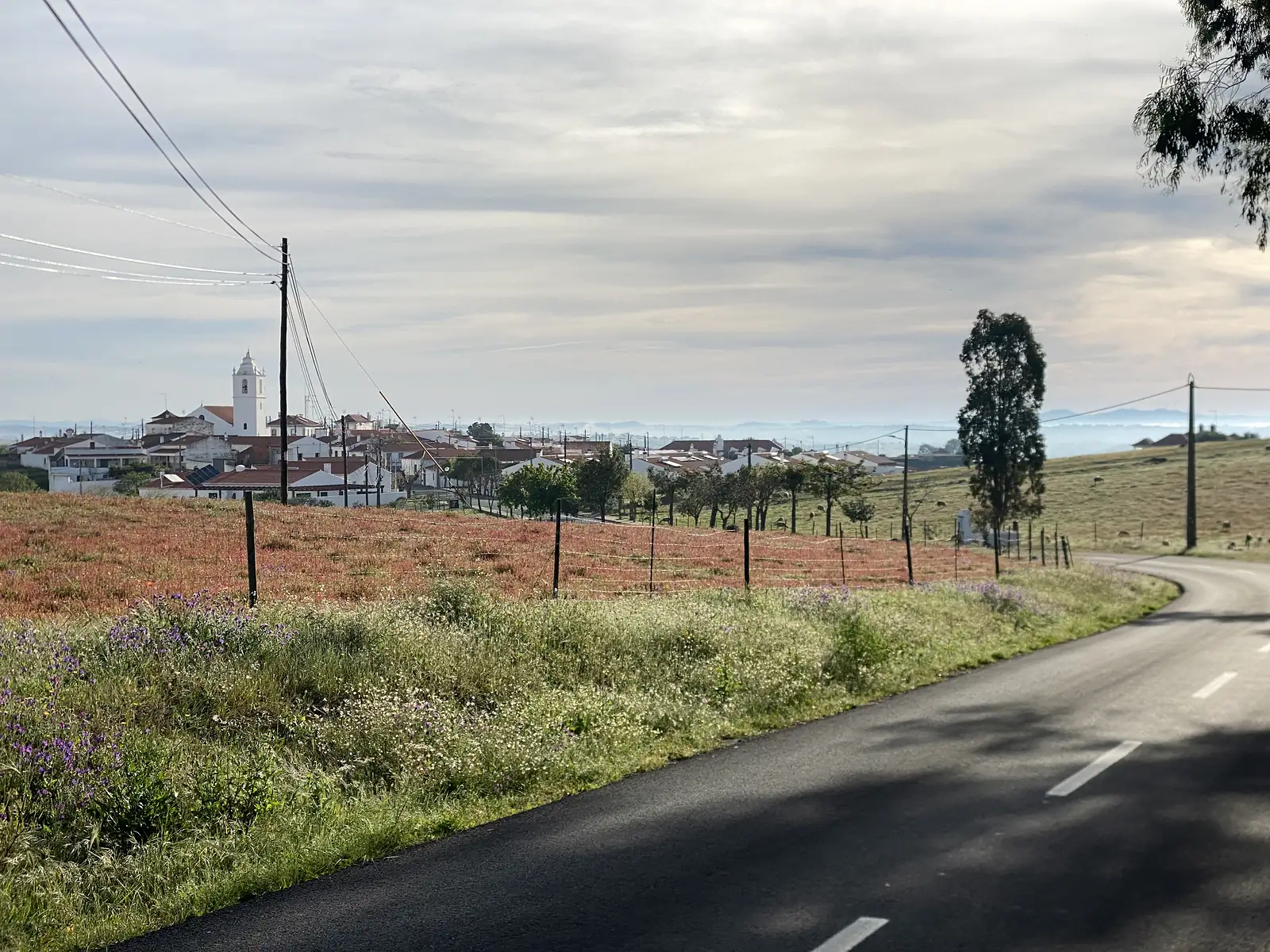
You then head out of town towards the cemetery on a very quiet road before starting on what I’ve described as the greatest gravel track I’ve ever ridden. It is fast and flowing with no great ups and downs. But in spring there are so many wildflowers that you could be racing through a Disney film set.
You’ll join the asphalt M507 which you then follow to the equally desserted N122. Perhaps it was the time of day I travelled but many of the asphalt roads in this part of Portugal were empty. I literally cycled 5km on the N122 (supposedly a major road) without seeing a vehicle.
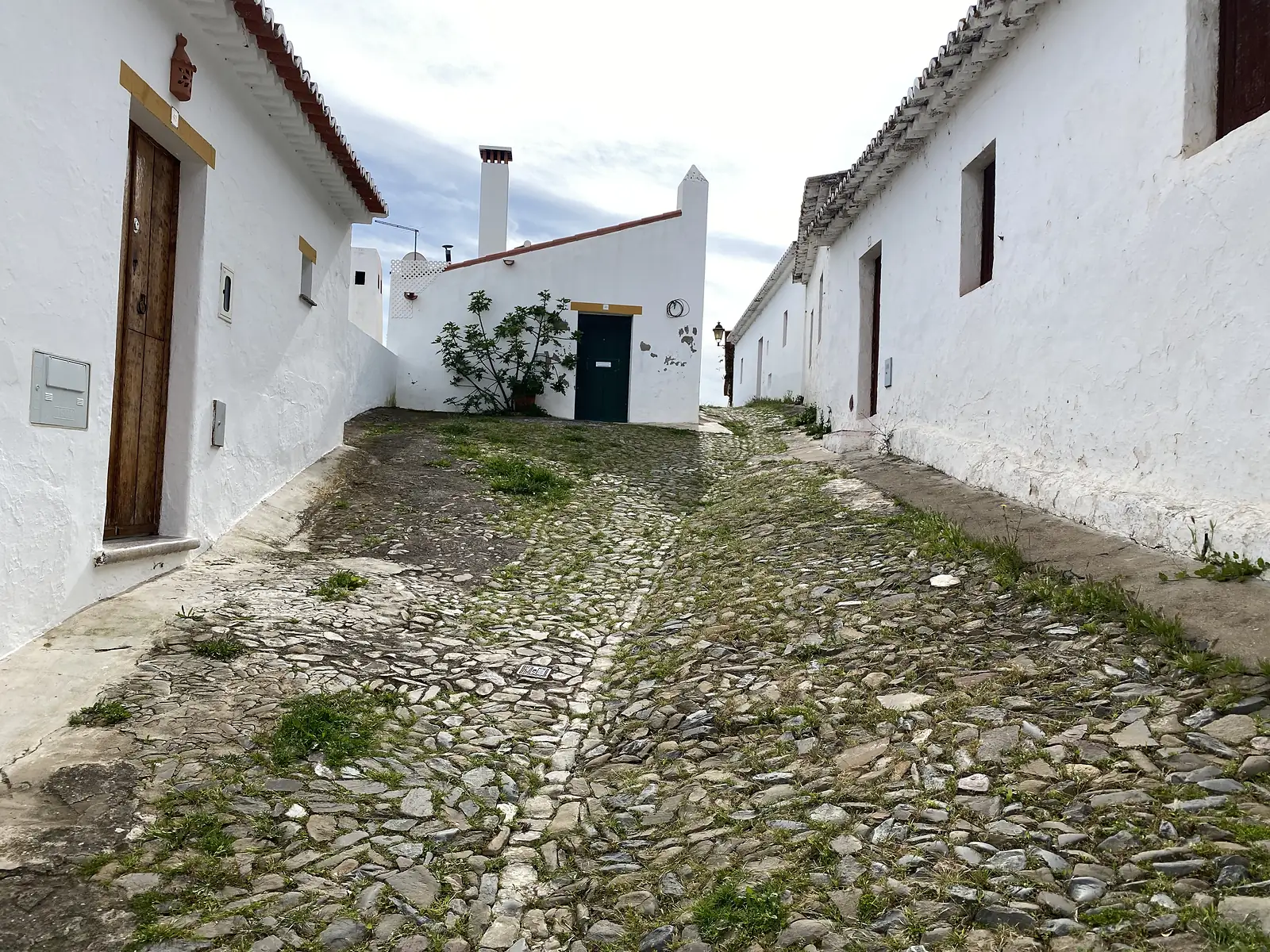
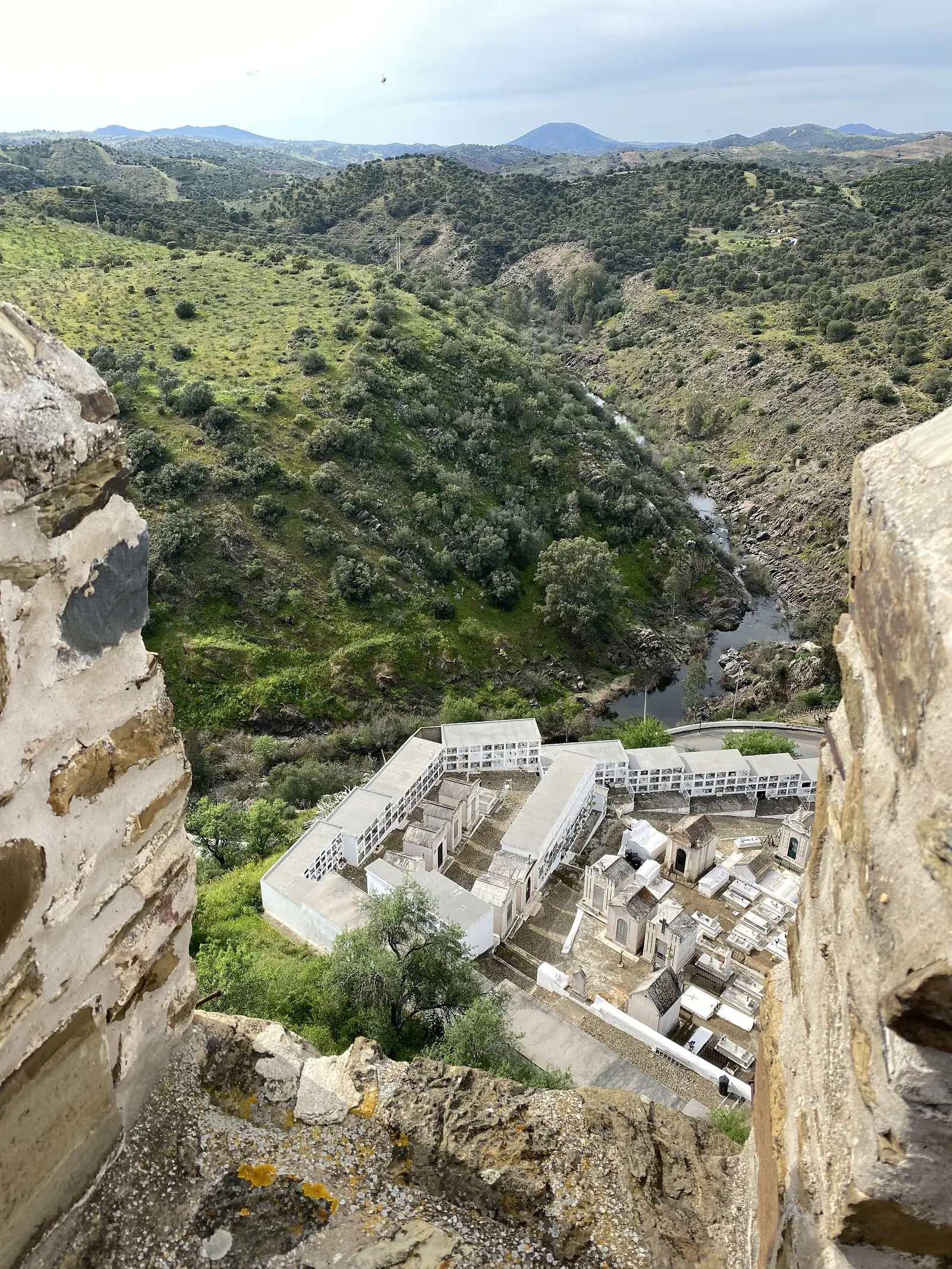
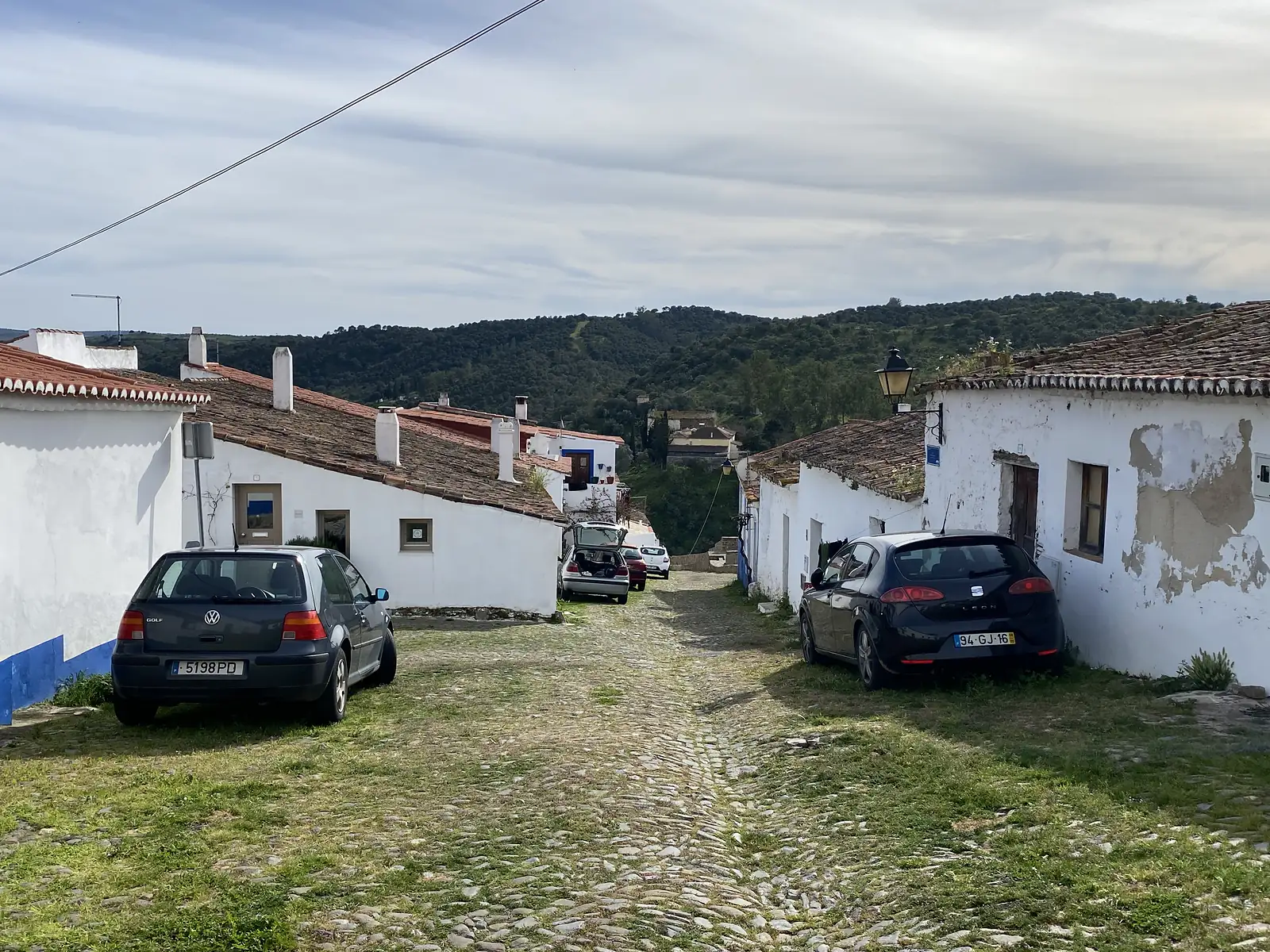
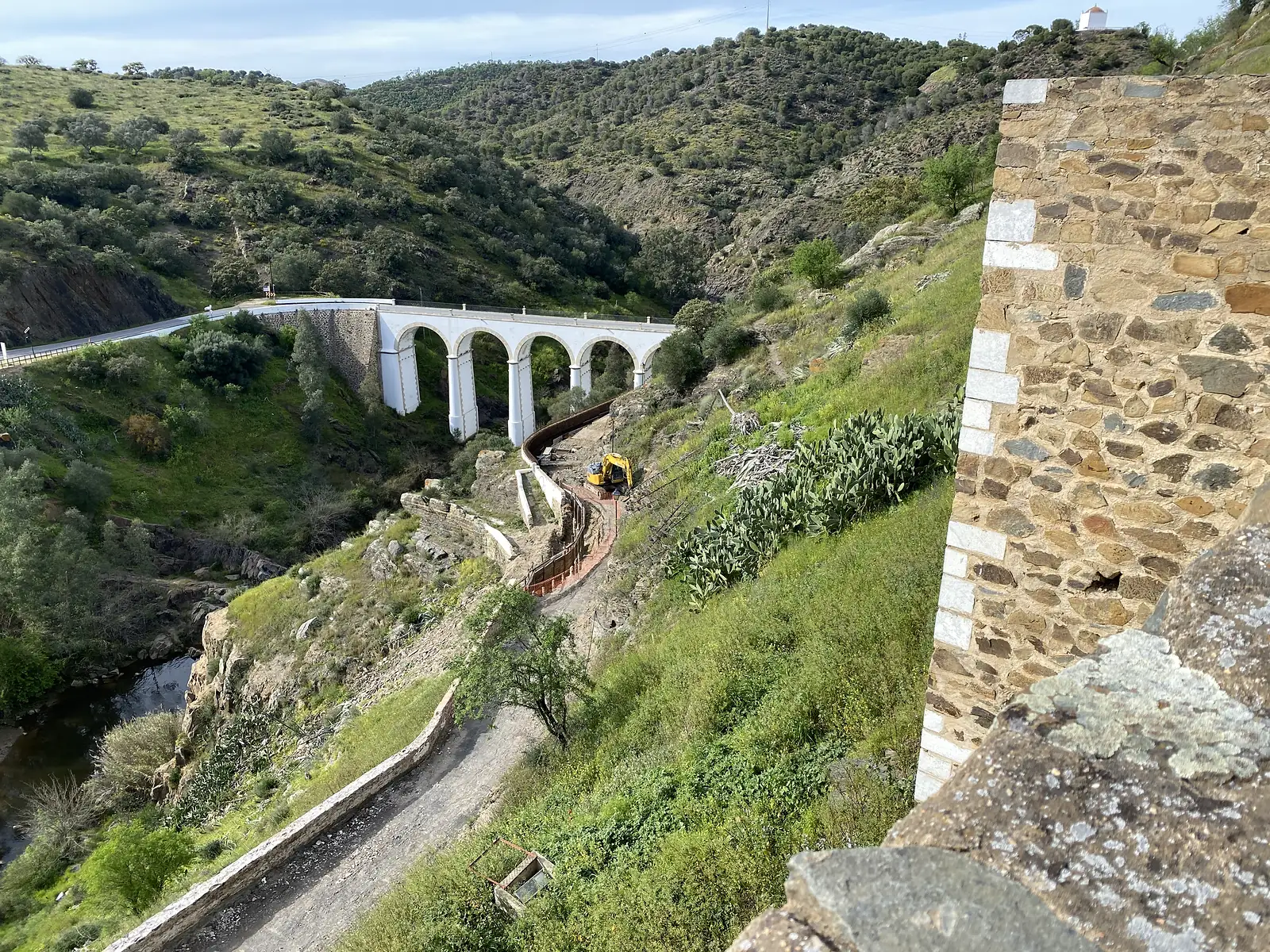
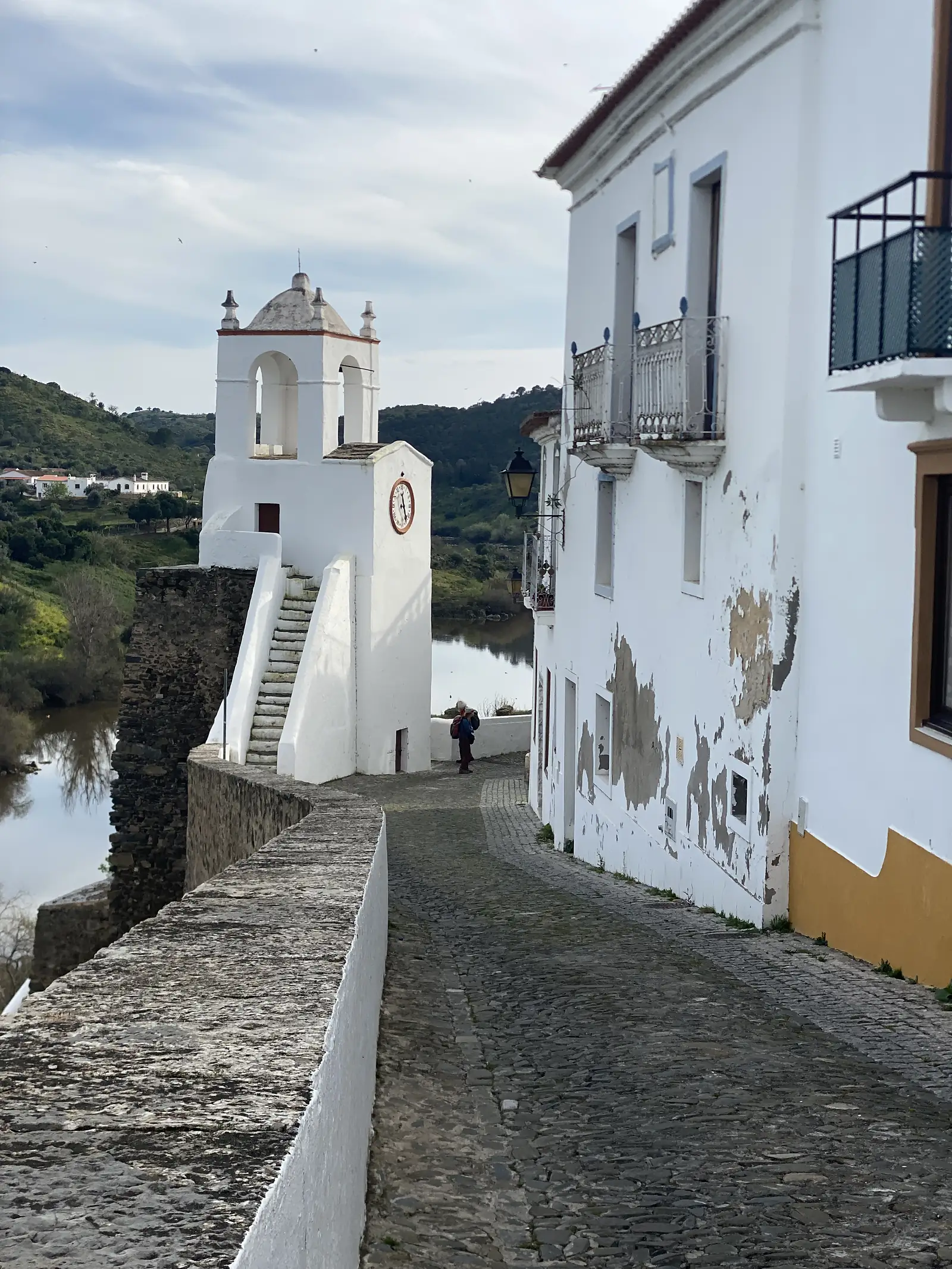
The major town on this route is Mértola, a good place to stop overnight.
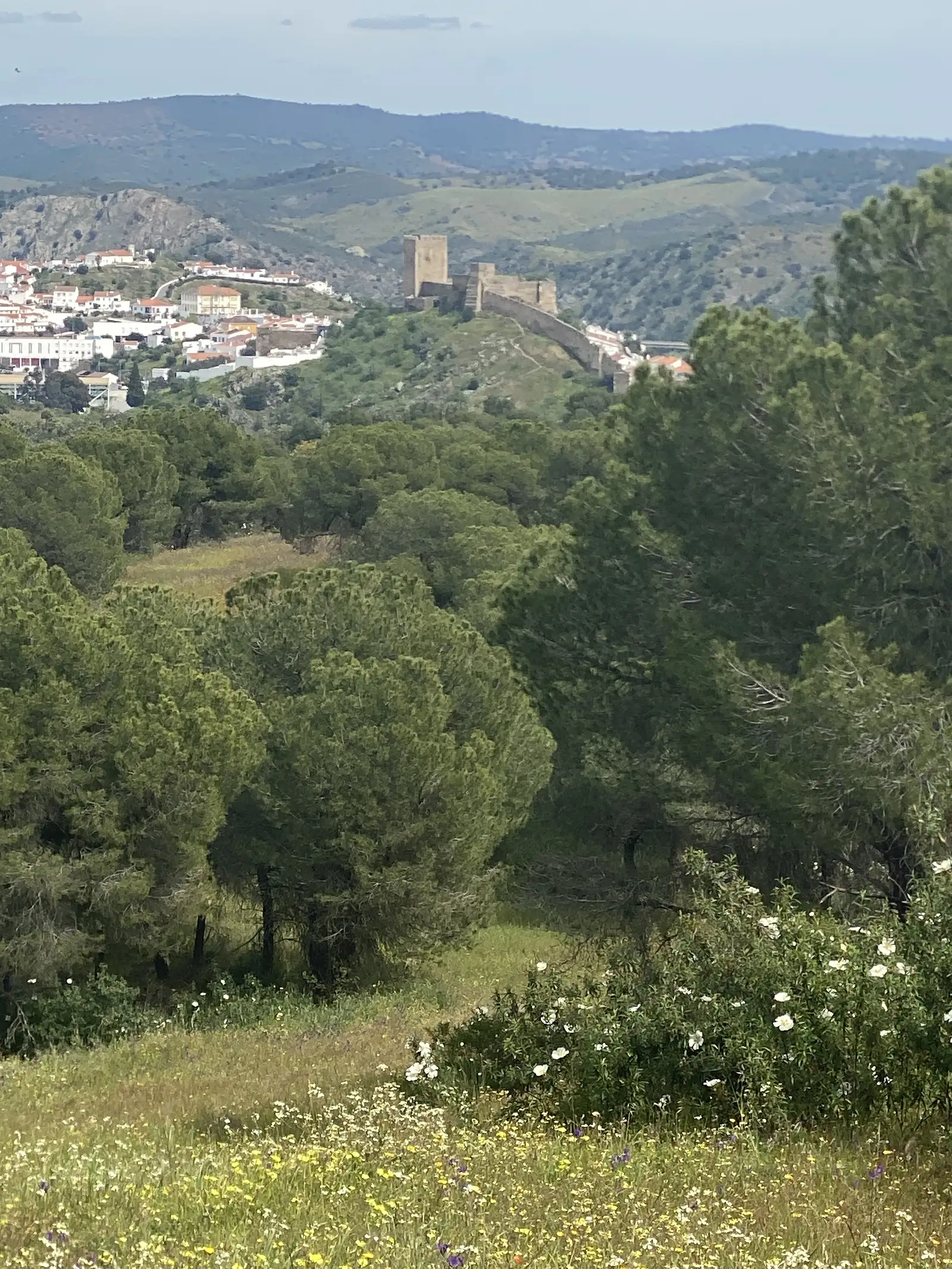
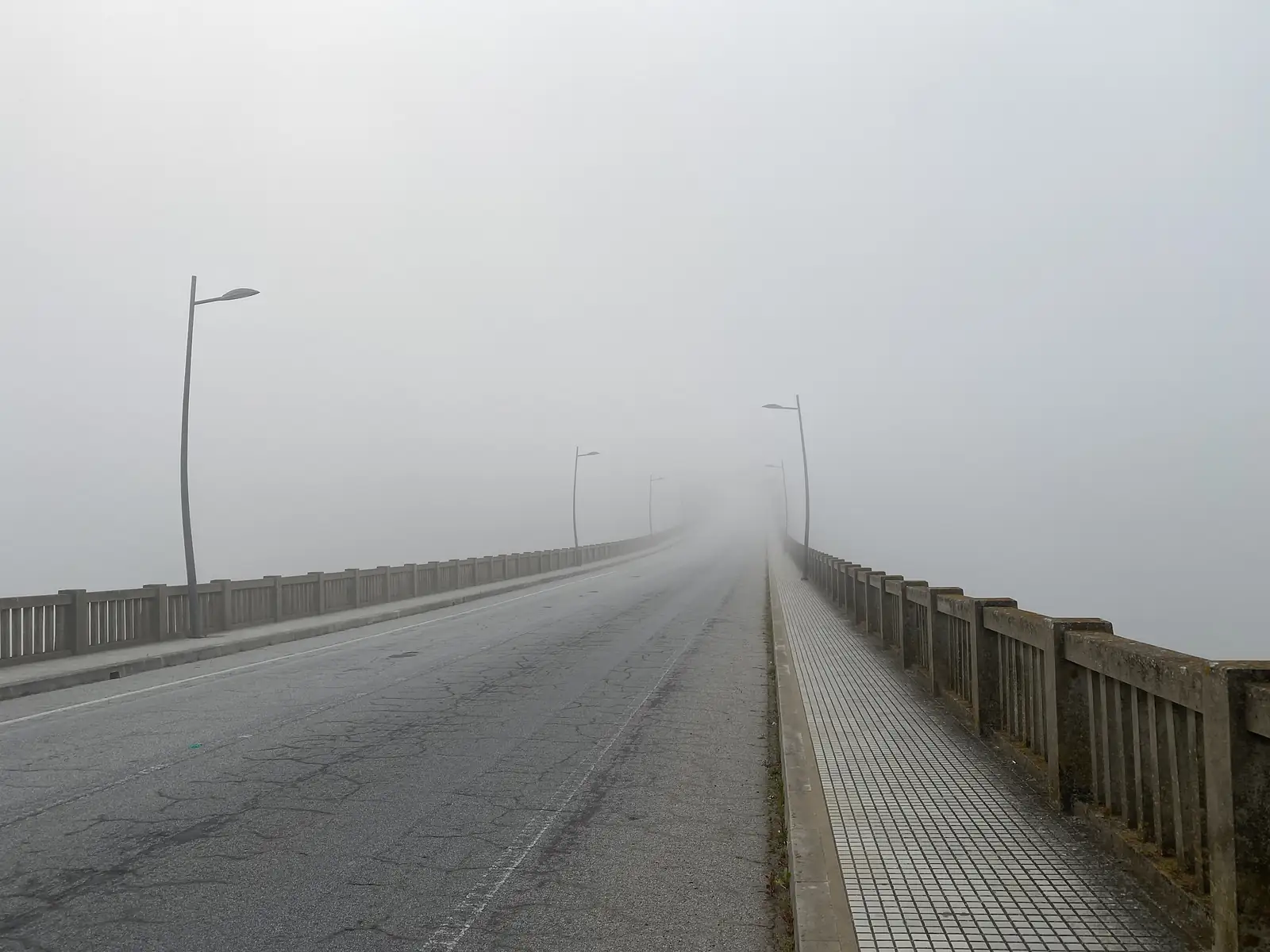
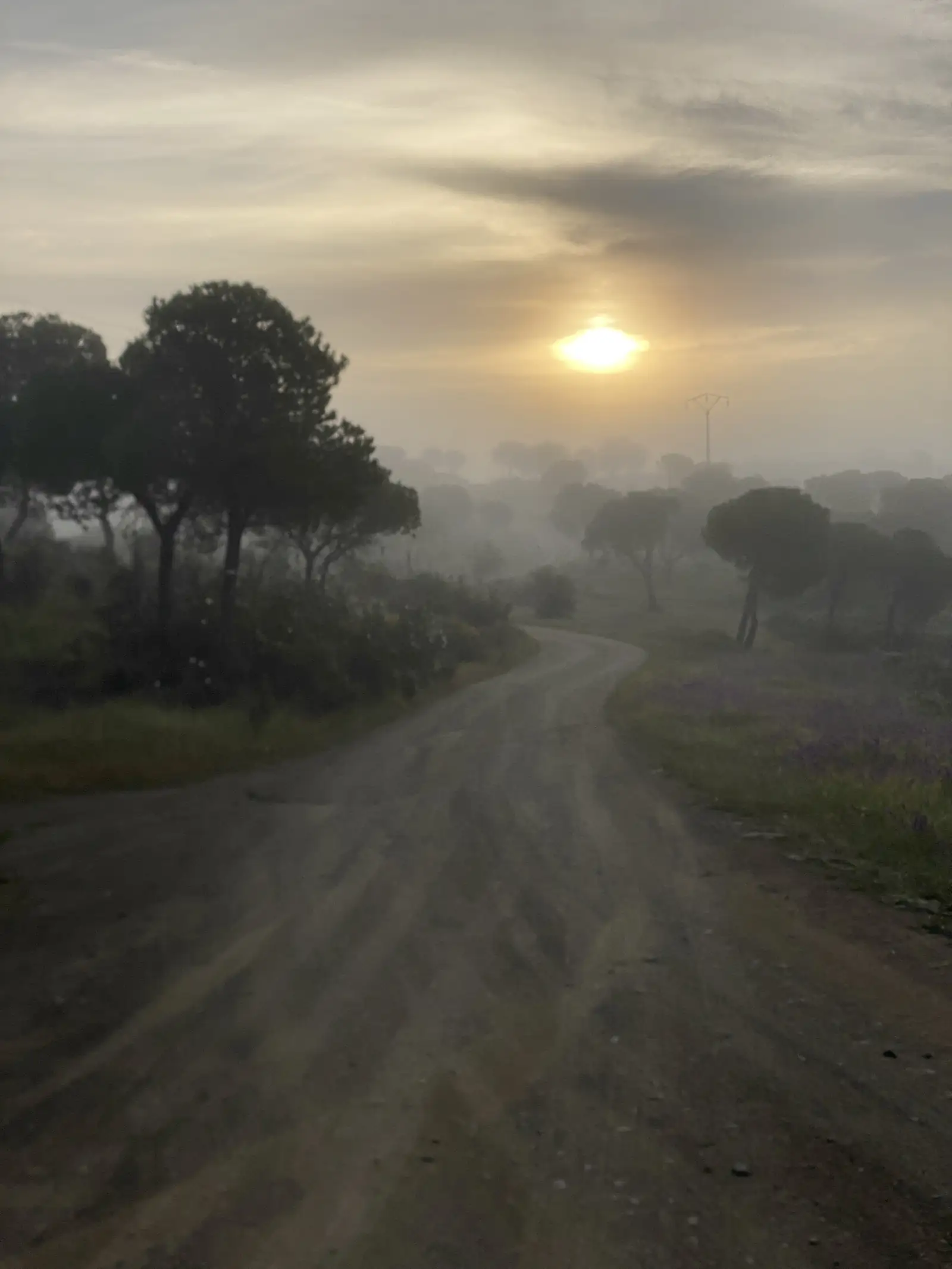
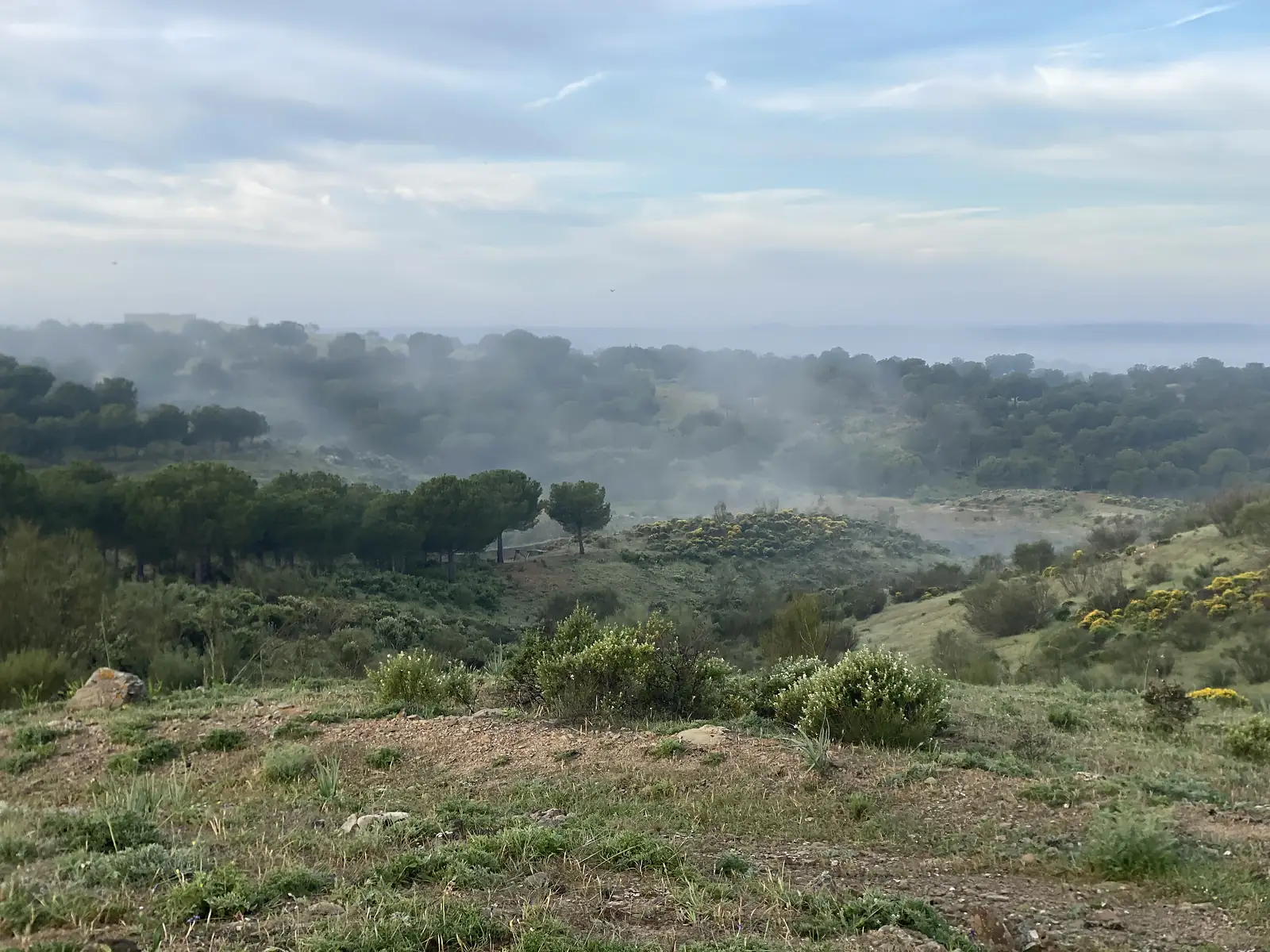
Next up I took a walking path almost vertically up the far side of the river to try to get a view of Mértola in the morning, but it was foggy. Still quite atmospheric.
Theres’s then a bunch of small roads and fantastic gravel tracks, sometimes passing through farmland, on the way to Santana de Cambas which is a good place to stop for coffee.
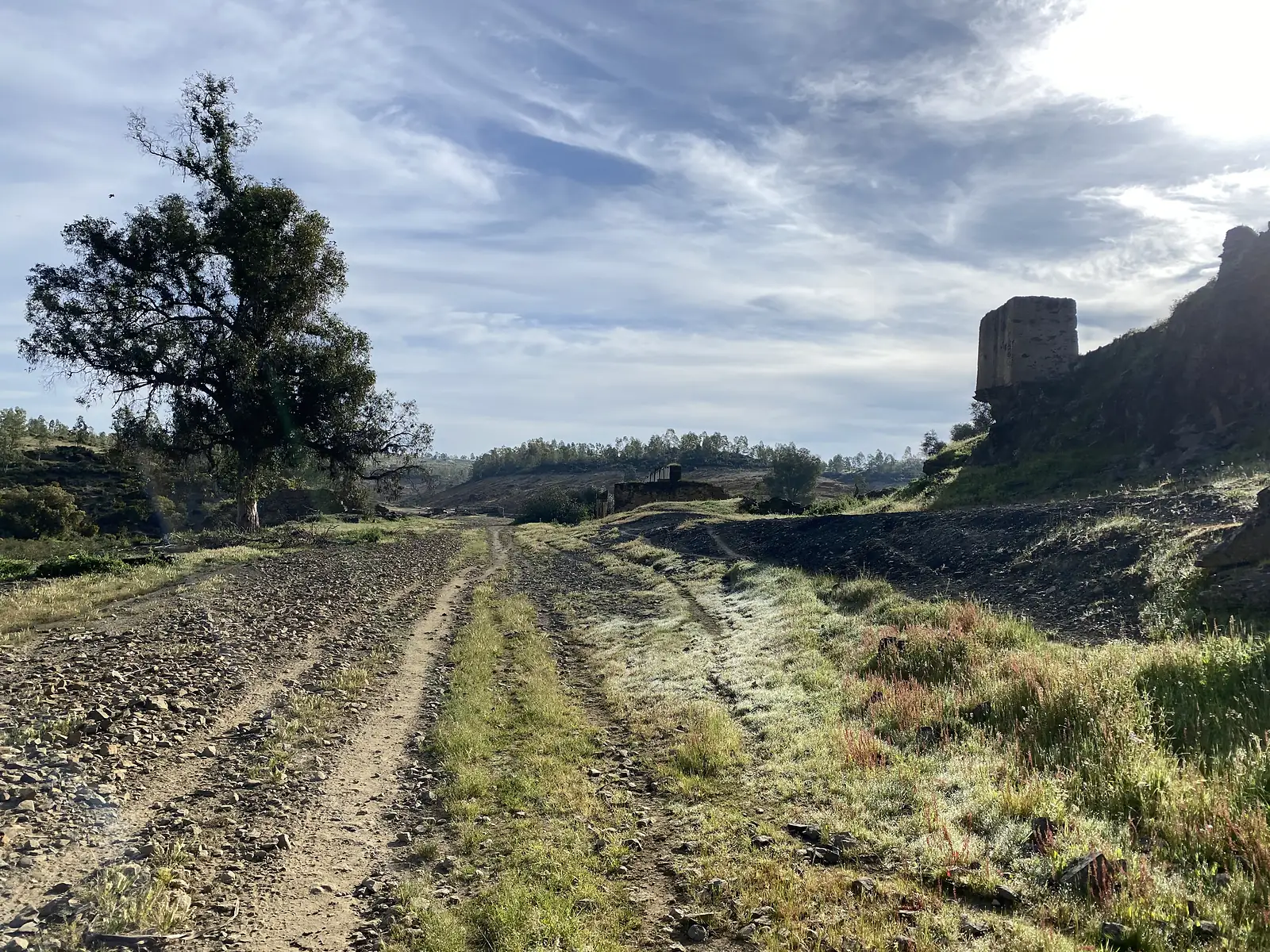
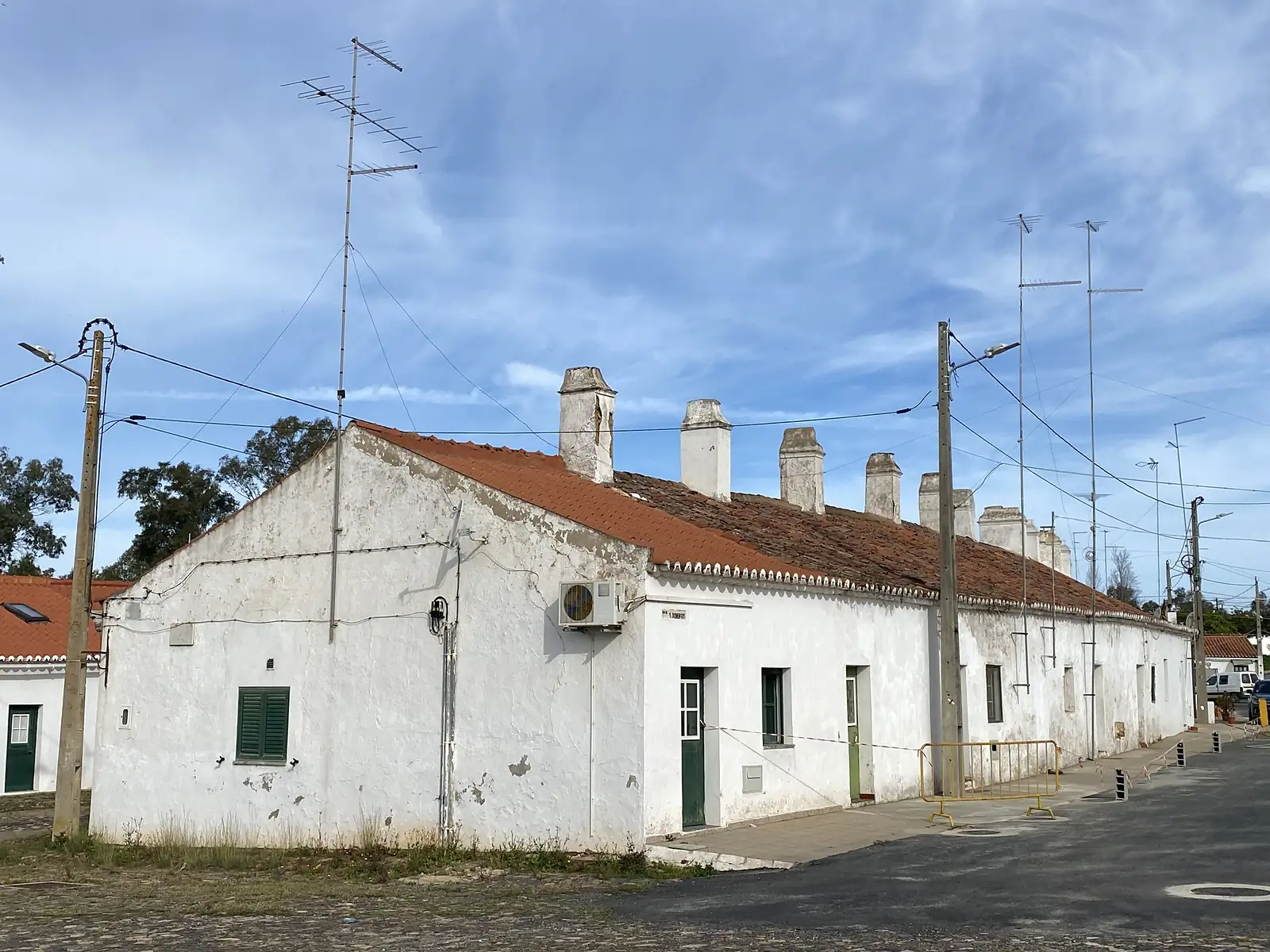
You’ll next pass through the other worldly São Domingos Mine along a 5-8km abandoned railyway track. Now deserted but still somewhat polluted, the place again feels like a film set, this time less Disney and more dystopia.
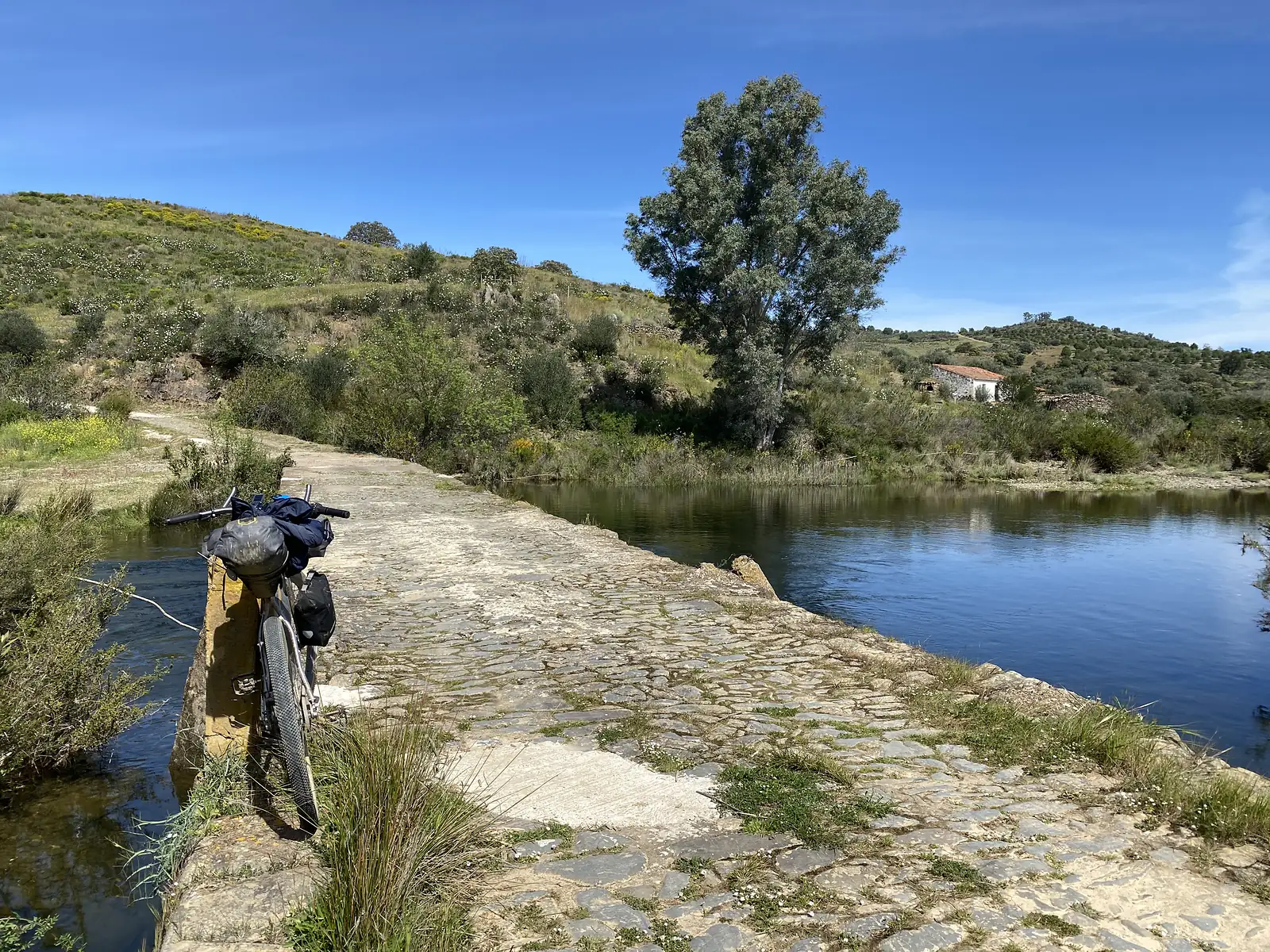
The European Divide Trail map suggests crossing into Spain further North on the main road, but there’s an amazing detour on gravel tracks on the old smugglers path. The only issue: you’ll need to cycle across the river. This wasn’t an issue when I did it (perhaps 20cm deep and slow flowing), it’s also on a concrete base. But you may want to check the weather, had it been raining heavily it might well have been unsafe, noting that this is a very isolated part of the world (perhaps 10km from the mining town).
The first town after the border is Paymogo and then I took roads to Santa Bárbara; however you can take a northern detour to stay on some gravel.
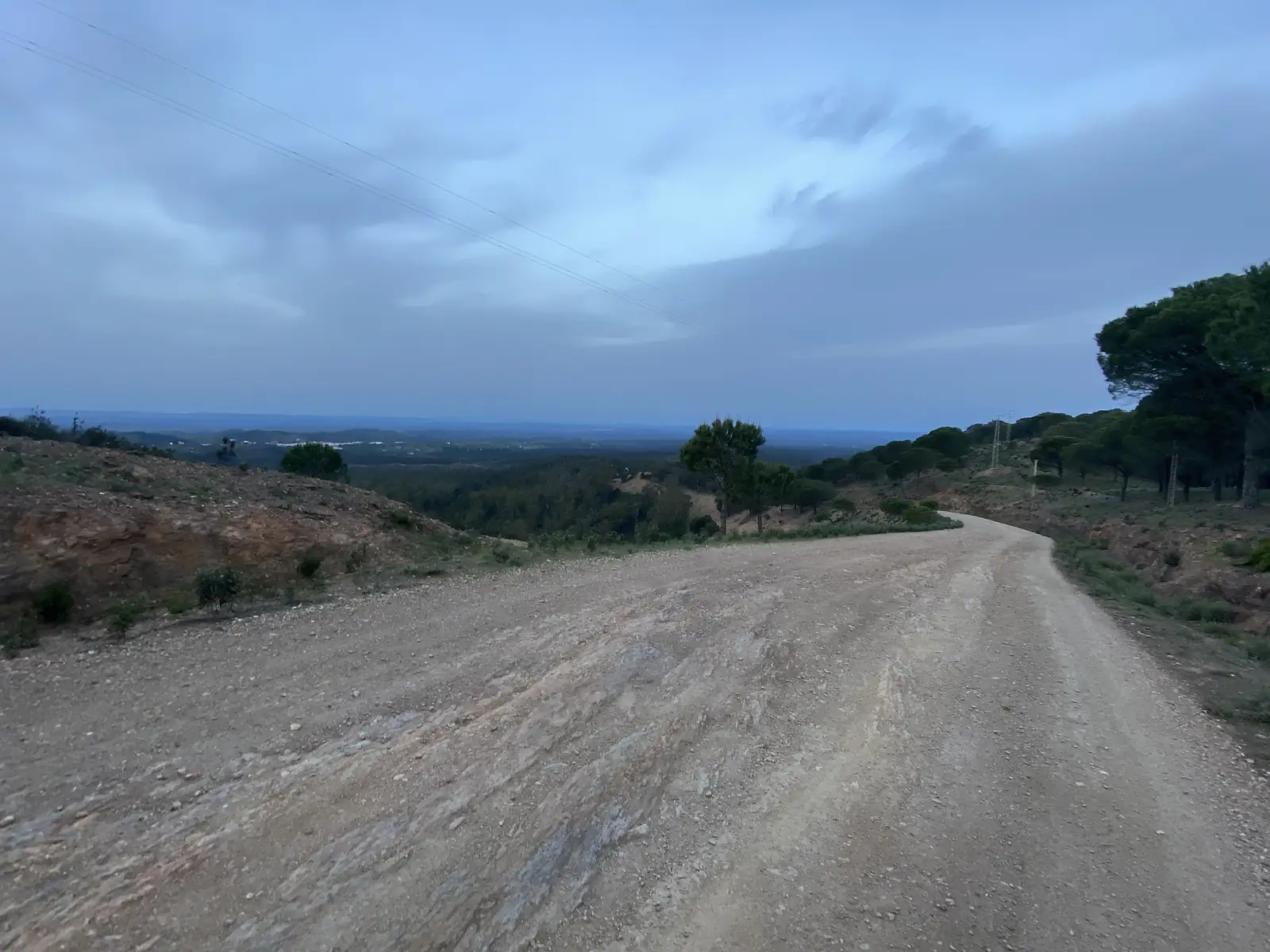
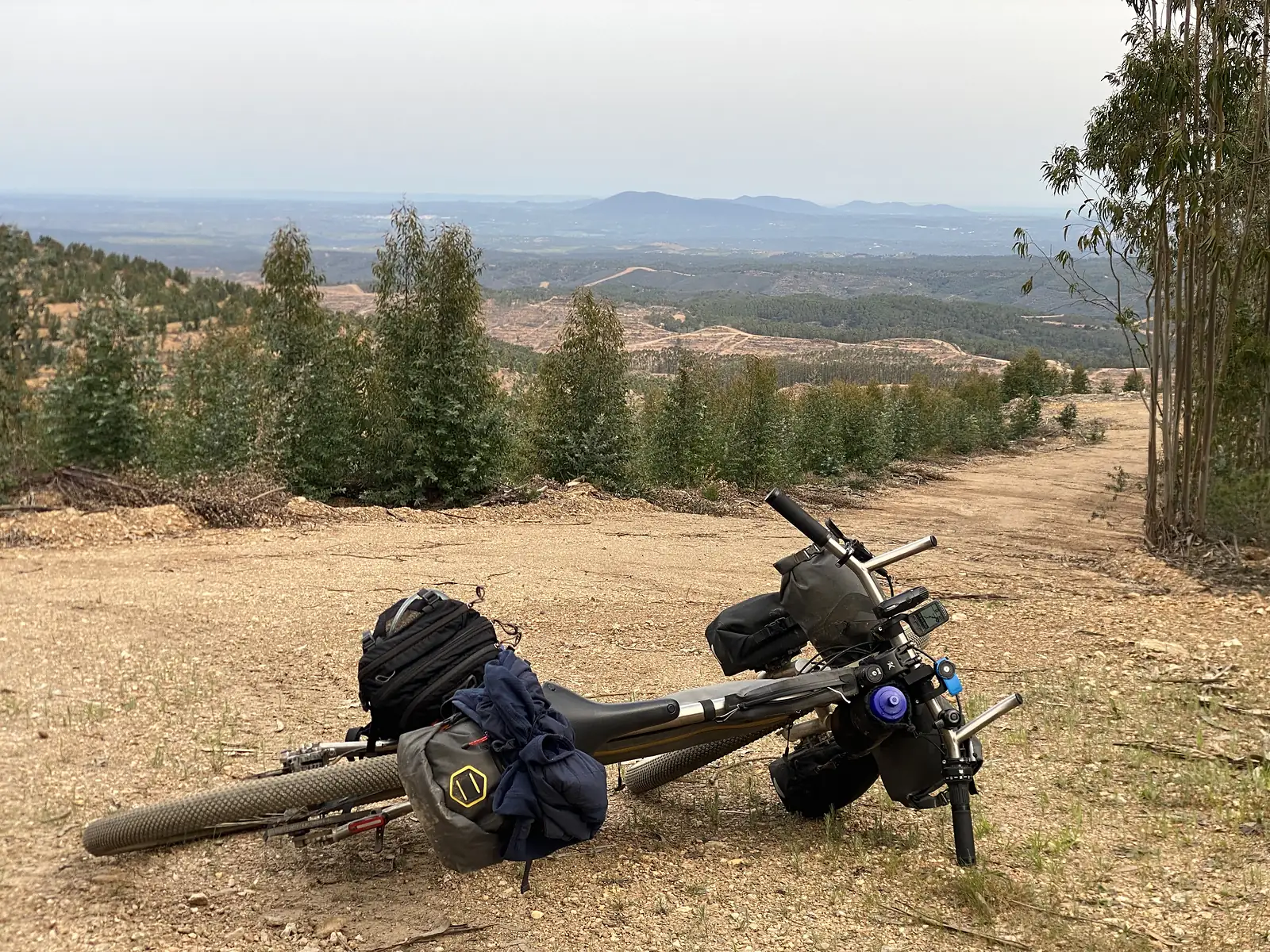
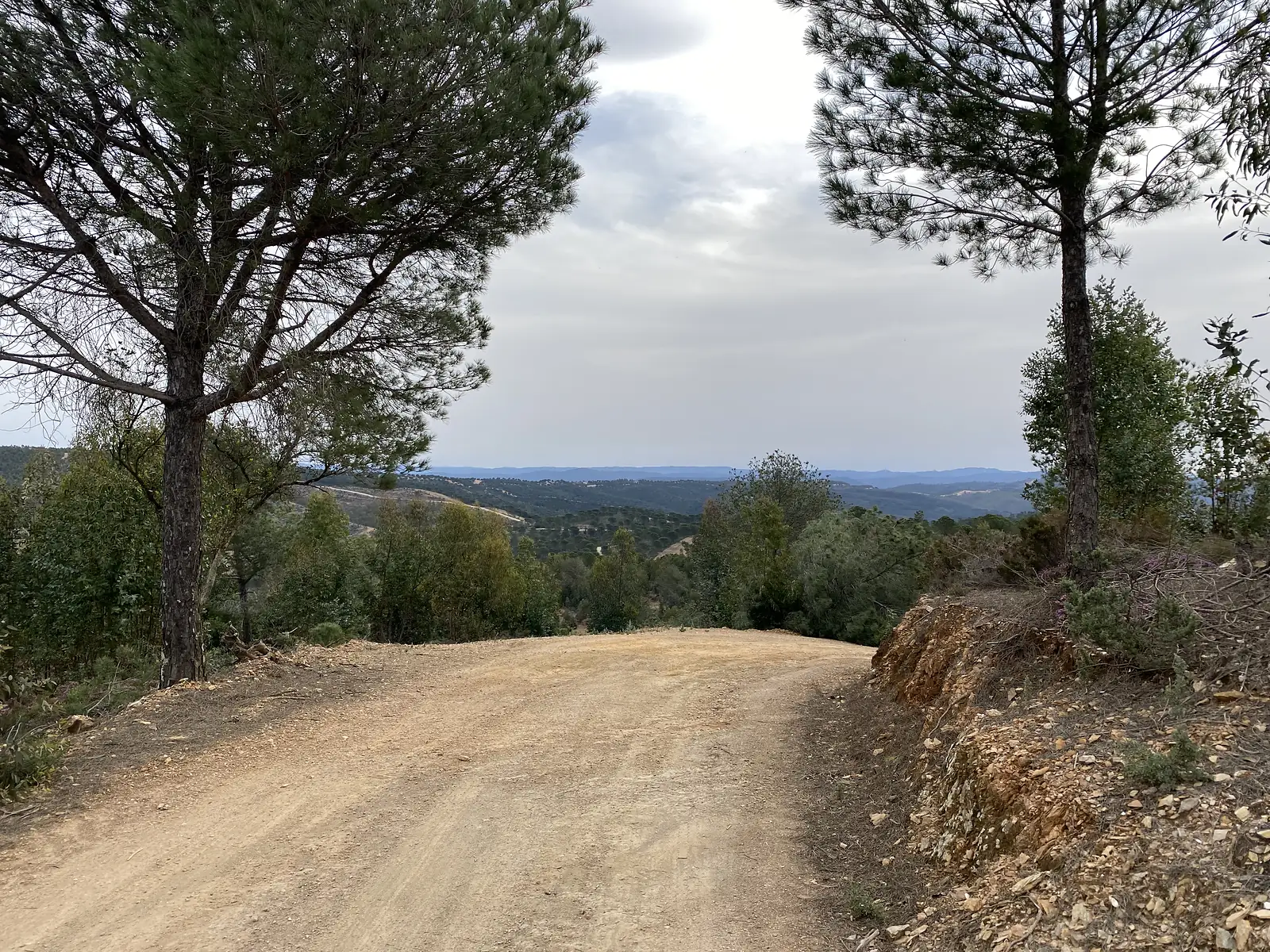
Past Santa Bárbara the terrain gets much hillier: there’s now a 40km trip on gravel roads over the mountains (hills?) without any supply stops. I only saw two vehicles on this section: a big lorry throwing up all sorts of dust and a park pick up truck who actually slowed to check that I was ok.
Highlights
- The gravel tracks either side of Martim Longo. Especially the fast and flowing track just after.
- Mértola is an amazing small town with more history than almost any comparably sized town I’ve visited. You can trace its settlement from early times through the Romans, then the Muslim caliphate until the Christian reconquest and then up to the present day. There’s museums for each period, though the lack of visitors meant that the curator from one of them had to close it and let me into the next.
- The border crossing on the old smuggling path was great. Really felt like a proper crossing.
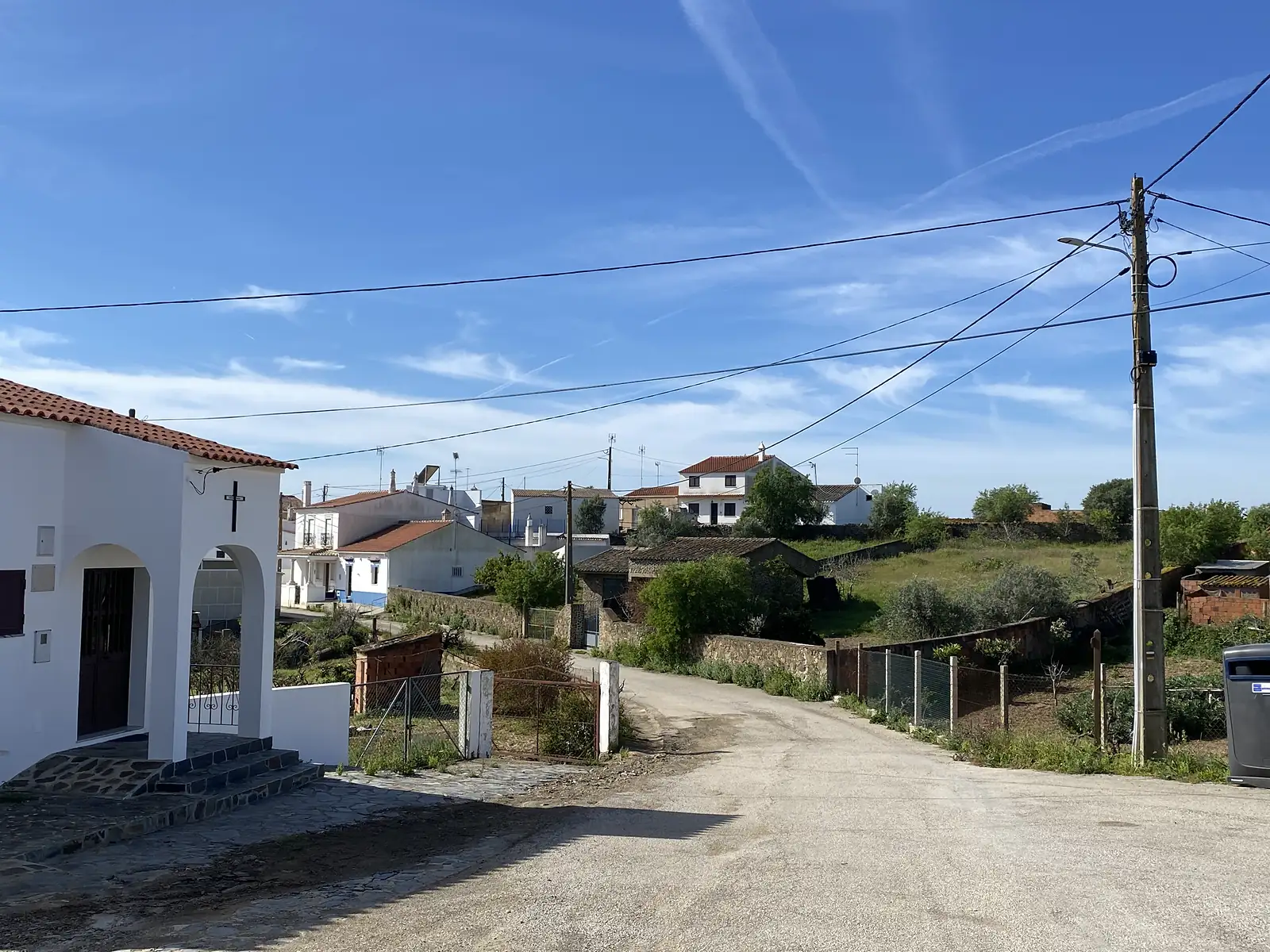
- The transition between Portugal and Spain was also remarkable. Key differences included:The colourful buildings of Portugal making way for the all white of SpainThere were many more people out in the streets in Spain, always talking and shouting to each other. It felt like the life was more outdoor.There’s an hour time difference between Portugal and Spain e.g. when it is 11am in Portugal it is 12pm in Spain.An even bigger difference was the approach to lunch and to a lesser extent dinner: the Portugese always seemed to eat around midday and everything would be over by 2pm; in Spain lunch often didn’t really start until 2pm!
- Paymogo and Santa Bárbara are towns pretty much unvisited by tourists. There’s not really any easily bookable accommodation in either of them. As such they’re great places to hang out and watch people that actually live there. Especially Santa Bárbara reminded me of some places in Jordan and Morocco.
- There’s a magical valley just before Aroche. You’ve just done 30km or more on dusty almost desert like roads and you suddenly come across cows standing in lush grass by the side of rivers, almost as pretty as the Lake District in the UK. It is quite a transition.
Route map
Open in Komoot-
-
-
-
Millions of wild flowers with a church in the background -
-
-
-
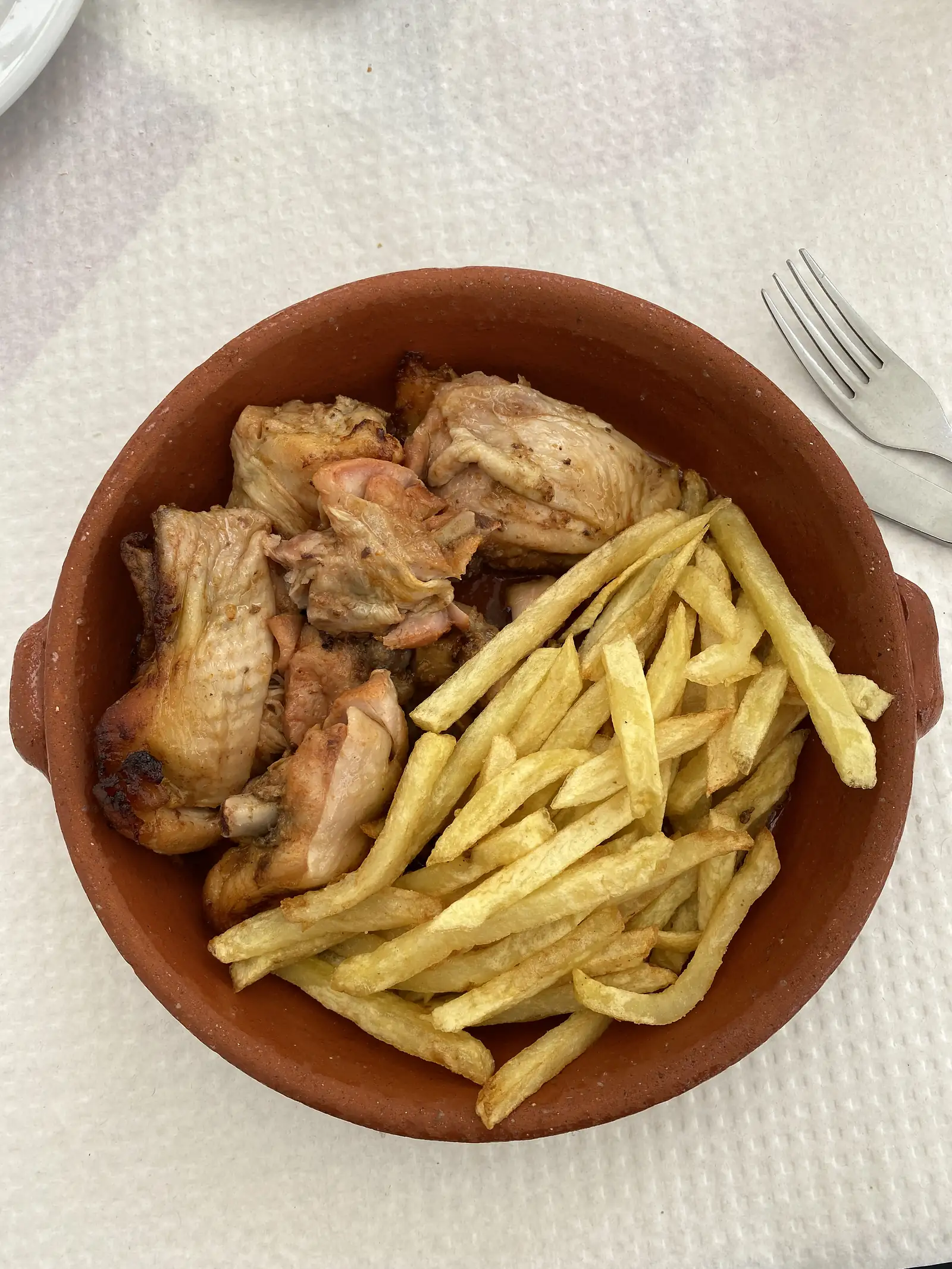
Lunch in Mertola. Simple but filling. -
-
-
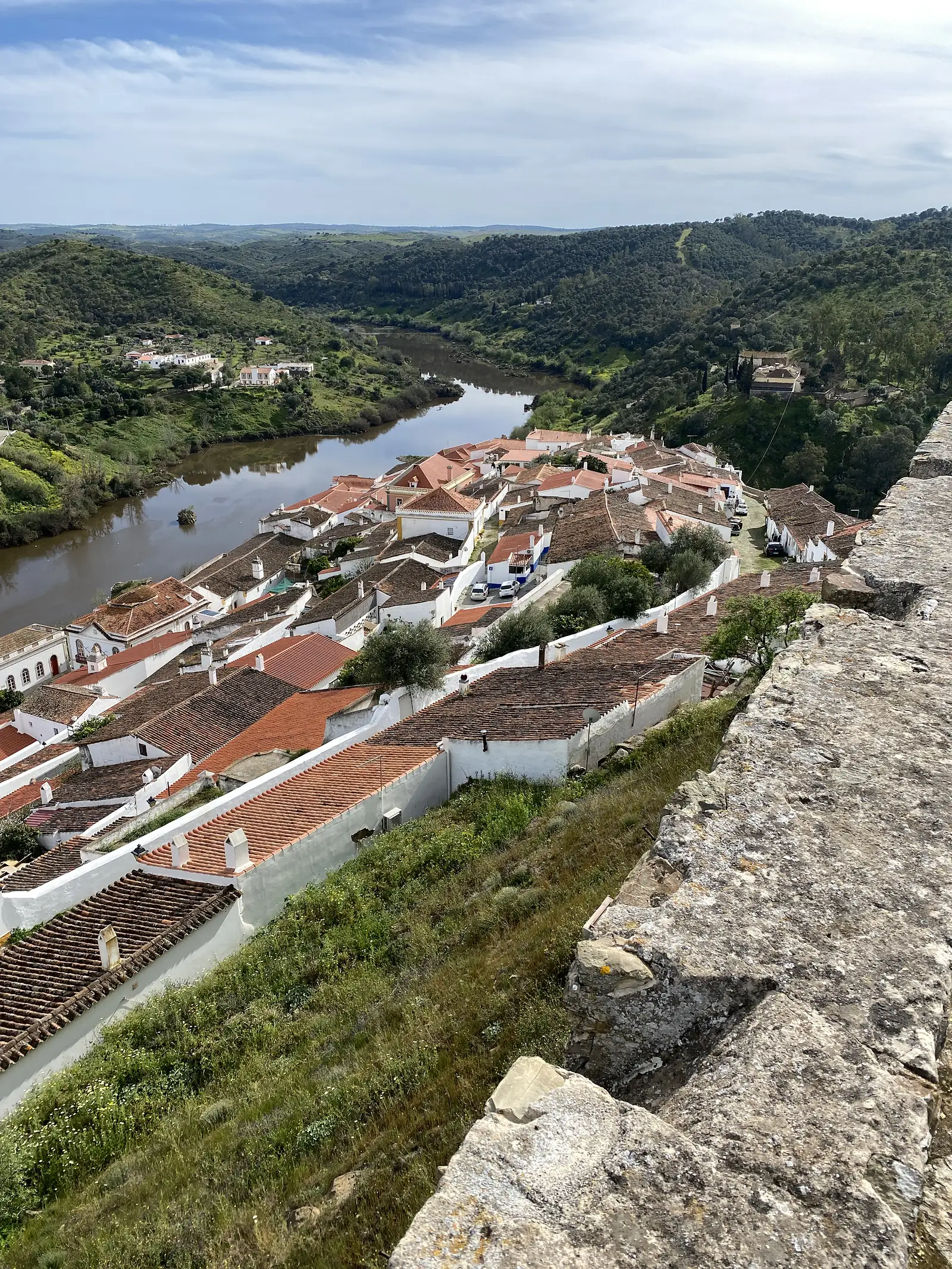
A view from the castle in Mertola -
-
-
-
-
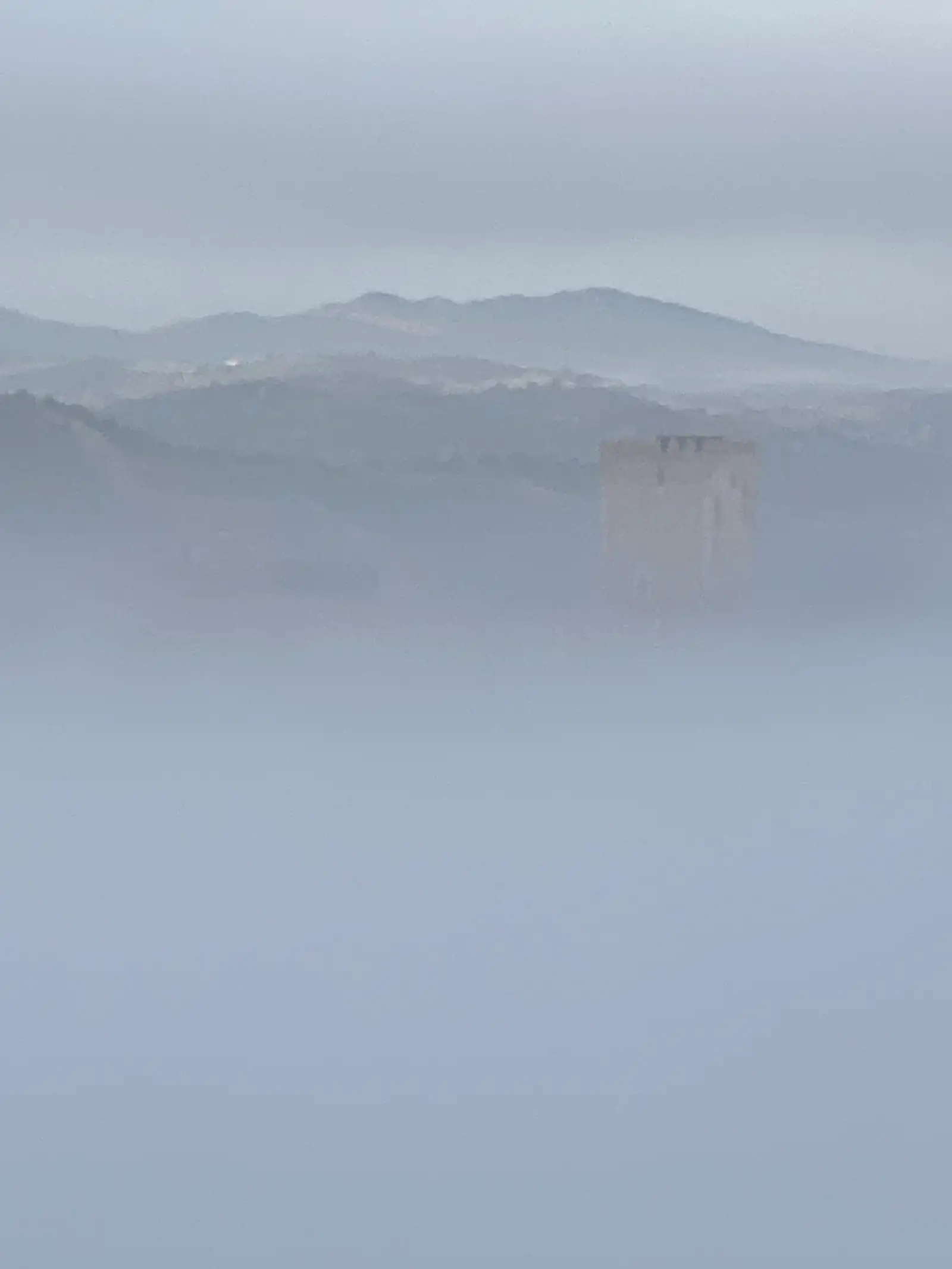
Looking back at the almost fully obscured castle in Mertola at dawn on a foggy day -
-
-
-
-
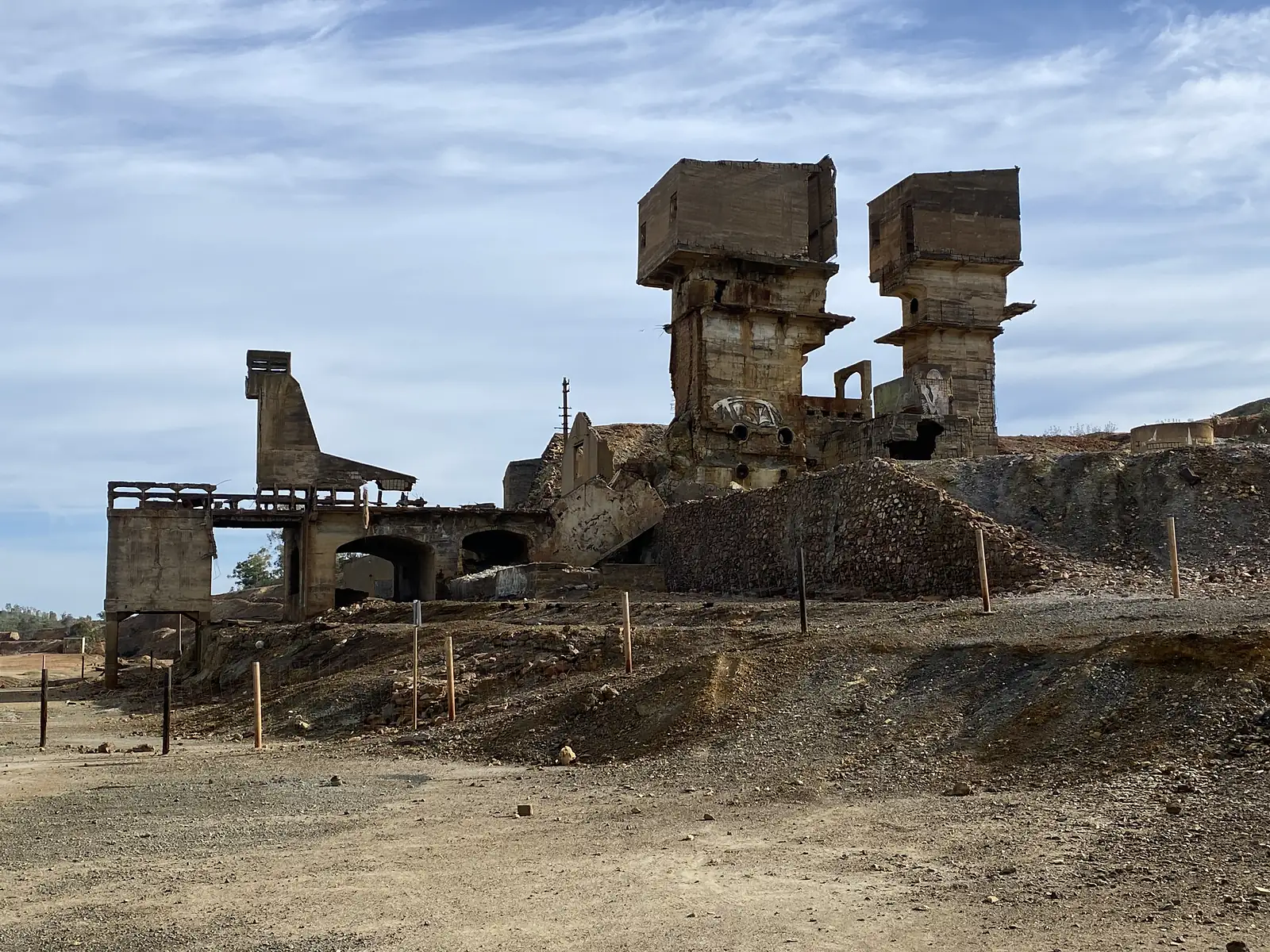
Abandoned mine workings, São Domingos Mine -
-
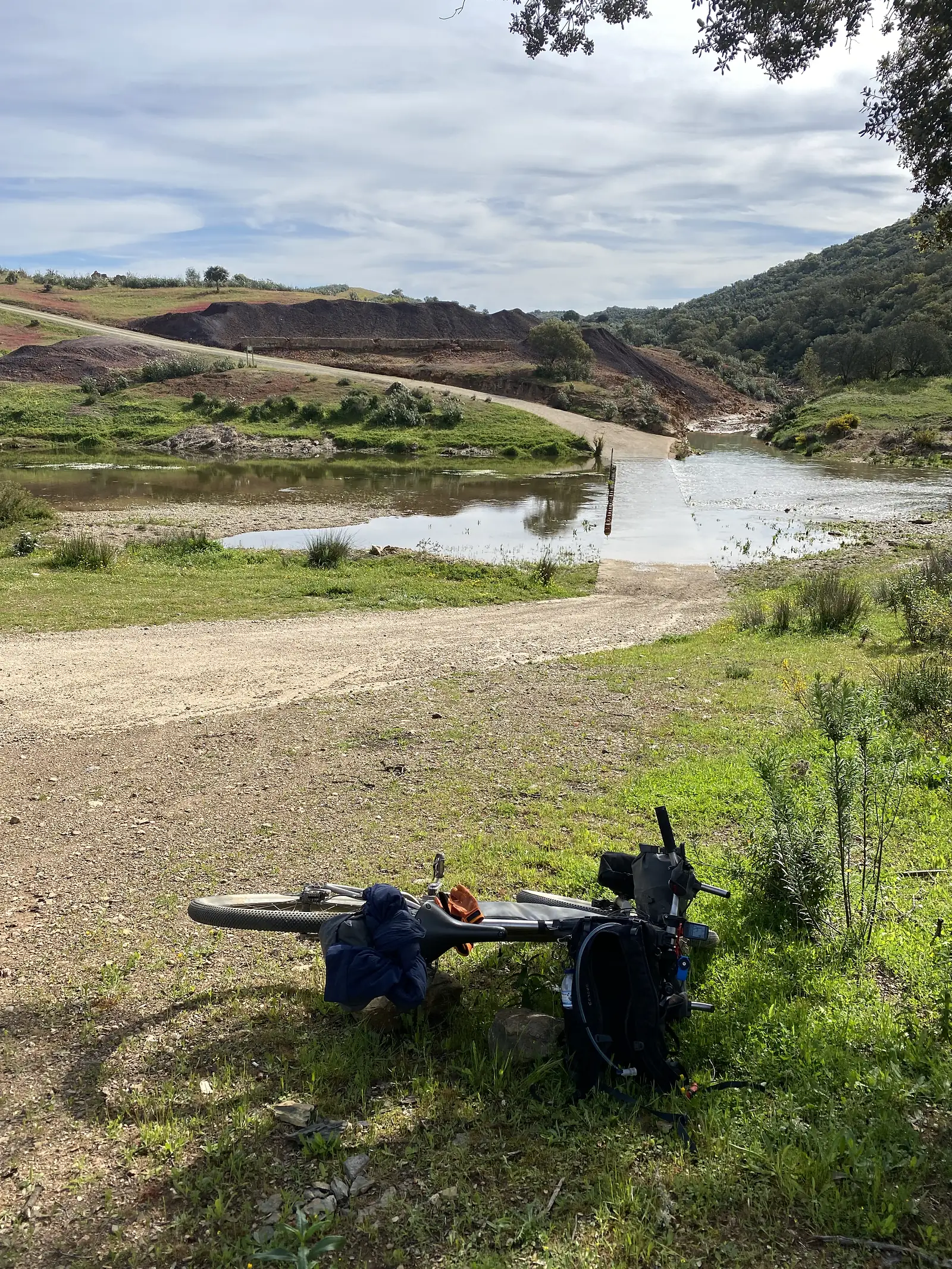
This is the border, looking towards Spain. It could be tricky if there is a lot of water. -
-
-
-
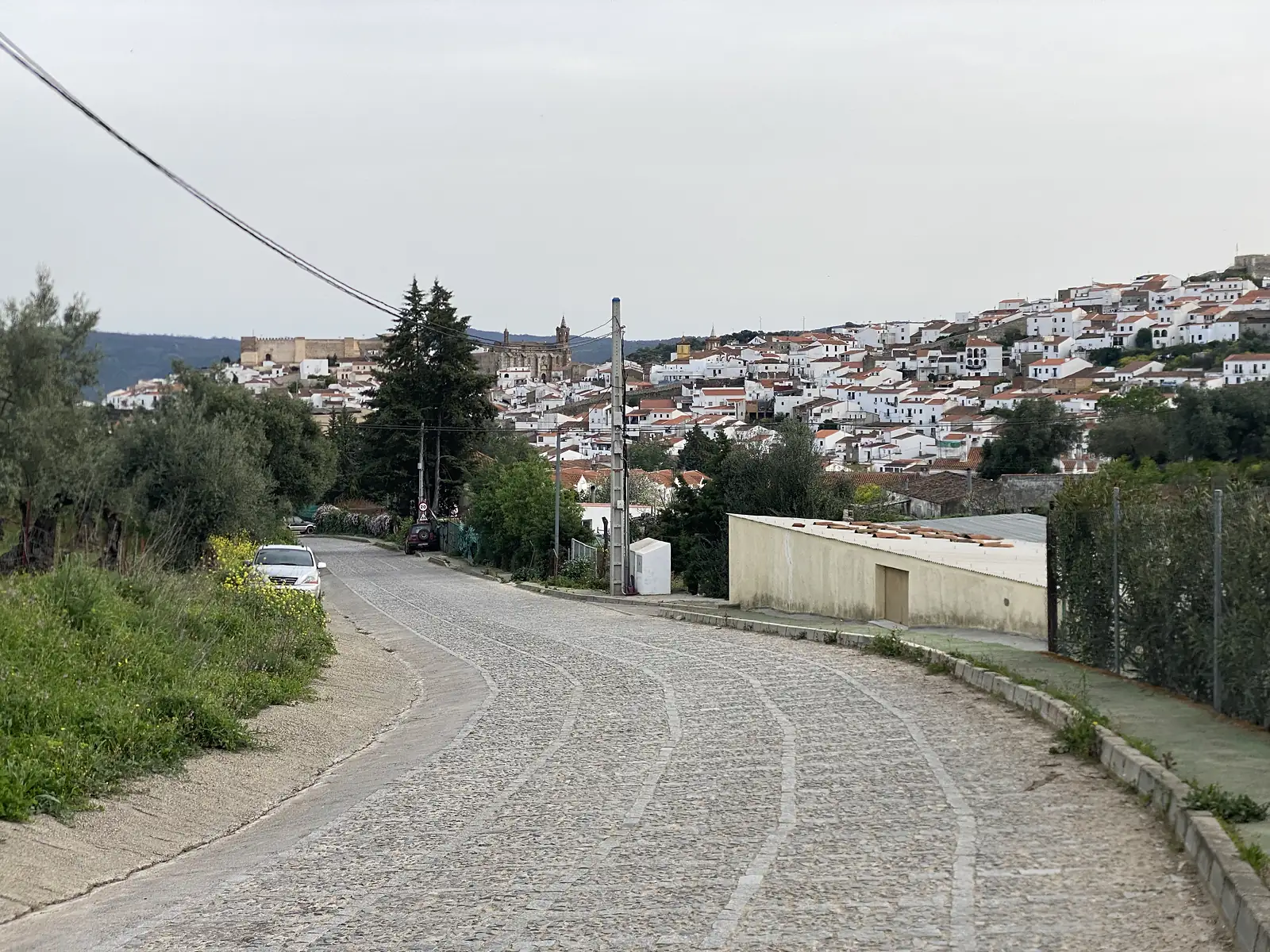
Arriving in Aroche