Gravel biking the Guadalquivir valley into Córdoba
An alternative Córdoba bike tour. Get out of the city for a single day gravel bike tour starting at Hornachuelos or Posadas, and then pass through thousands of years of history on the way to what was once one of the largest cities in the world.
Part 4 of my version of the European Divide Trail
Ride through history to Córdoba
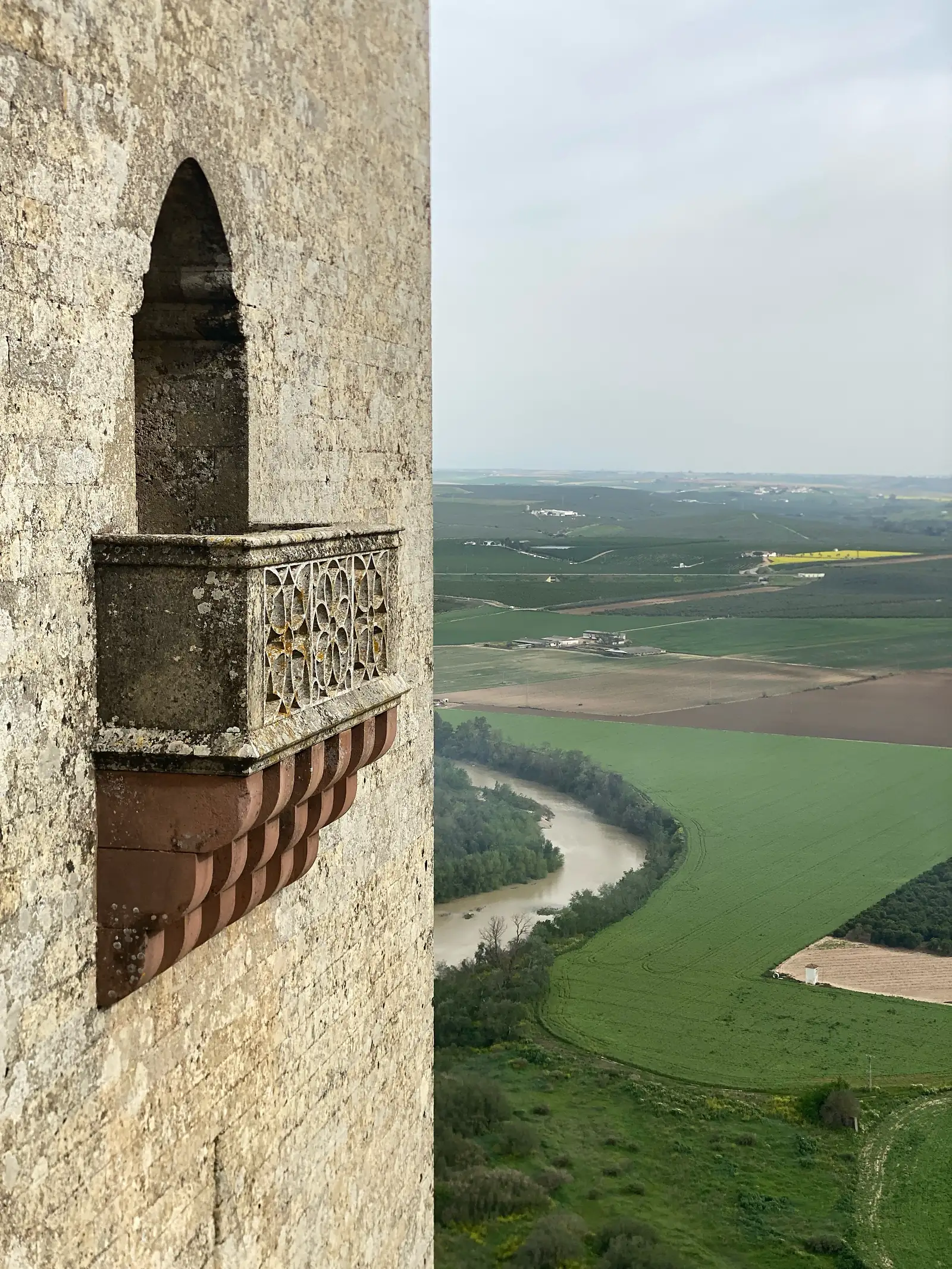
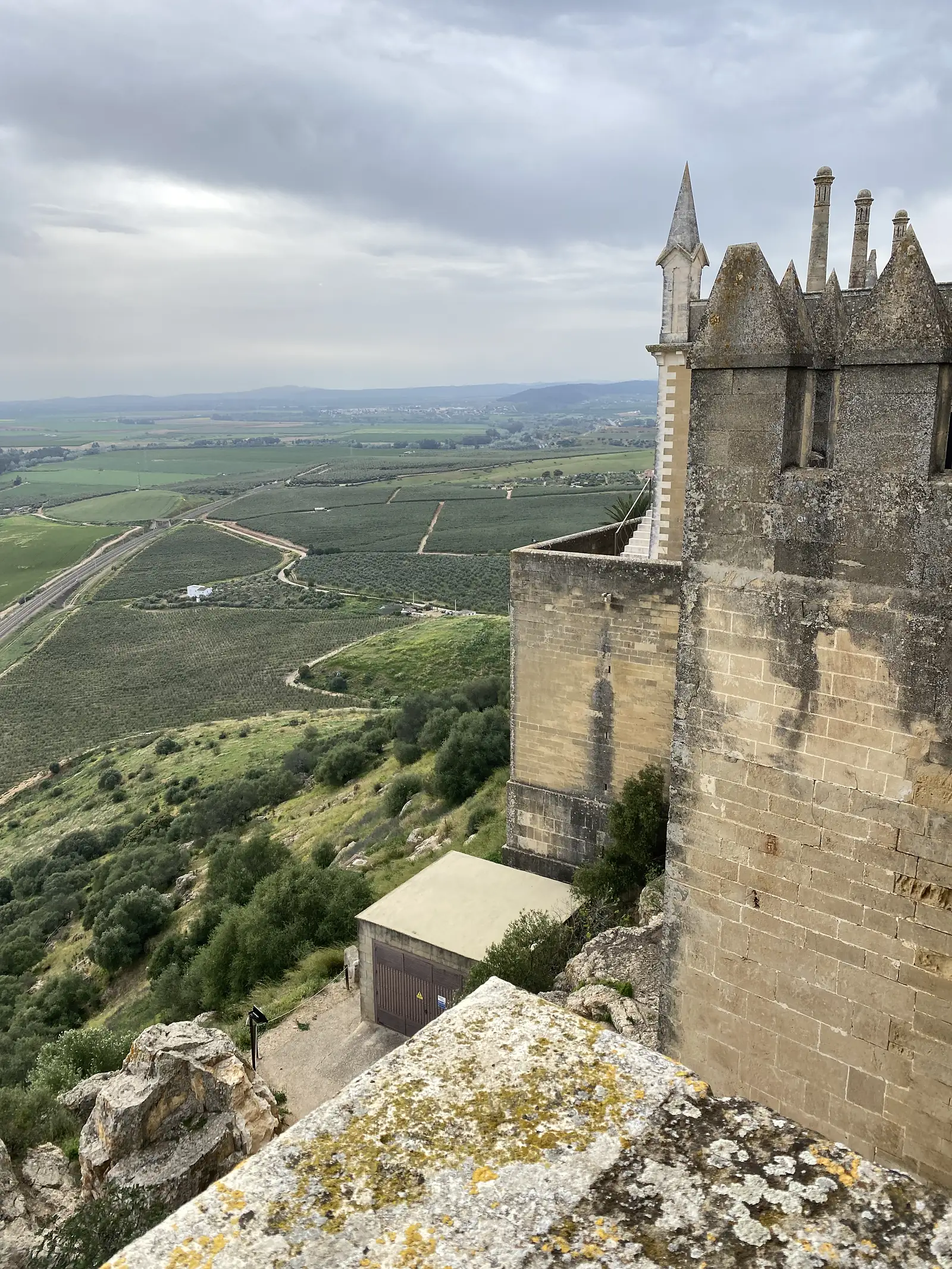
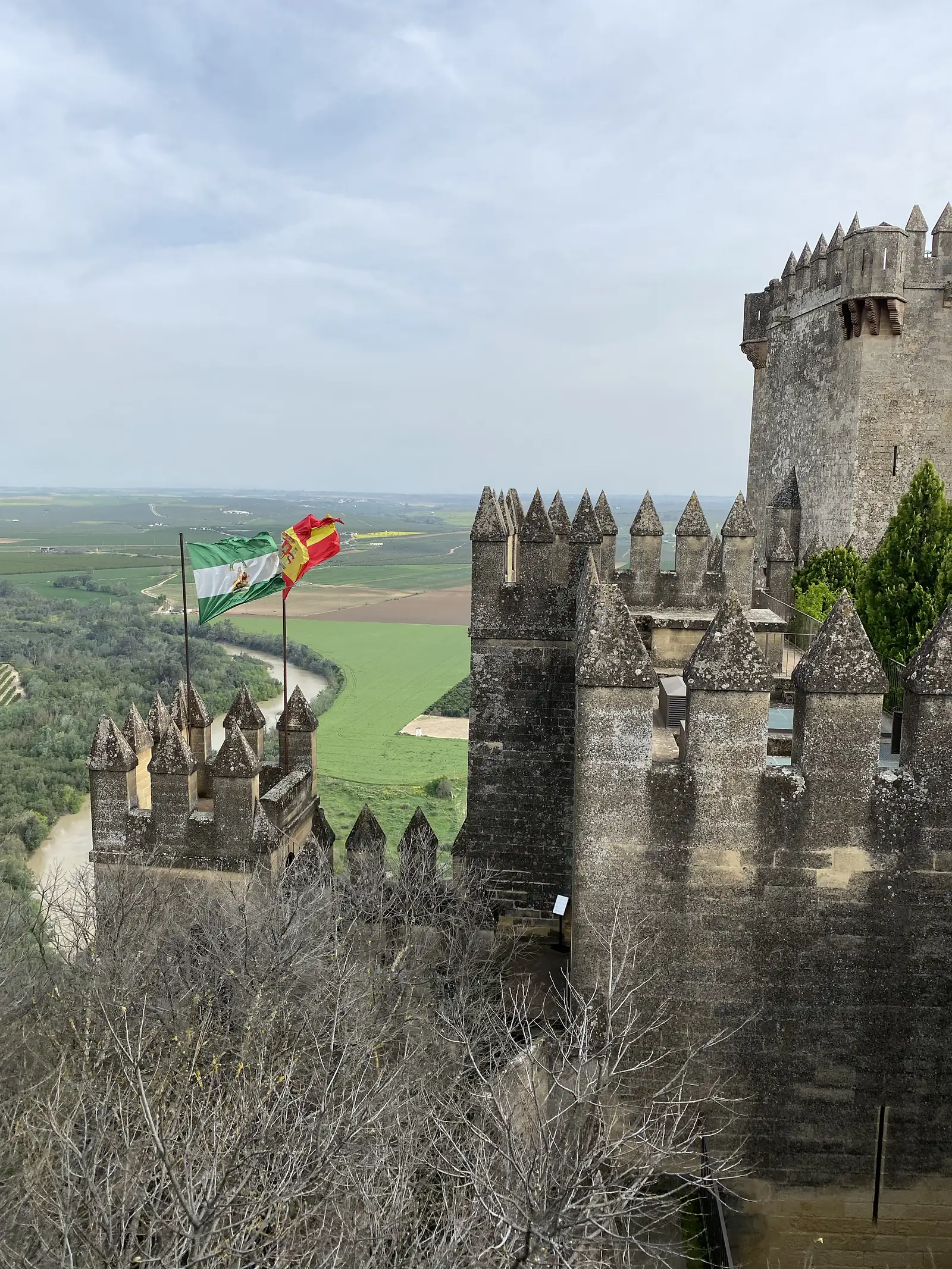
Standing on the famous balcony of the Castle of Almodóvar del Río, precariously perched high above the Guadalquivir river and its fertile plain, I am struck by the sheer immensity of the landscape. The horizon, shrouded in an early spring heat haze, seems impossibly distant, merging into the seemingly endless net of fields before me. The air carries a faint shimmer, hinting at the summer heat yet to come.
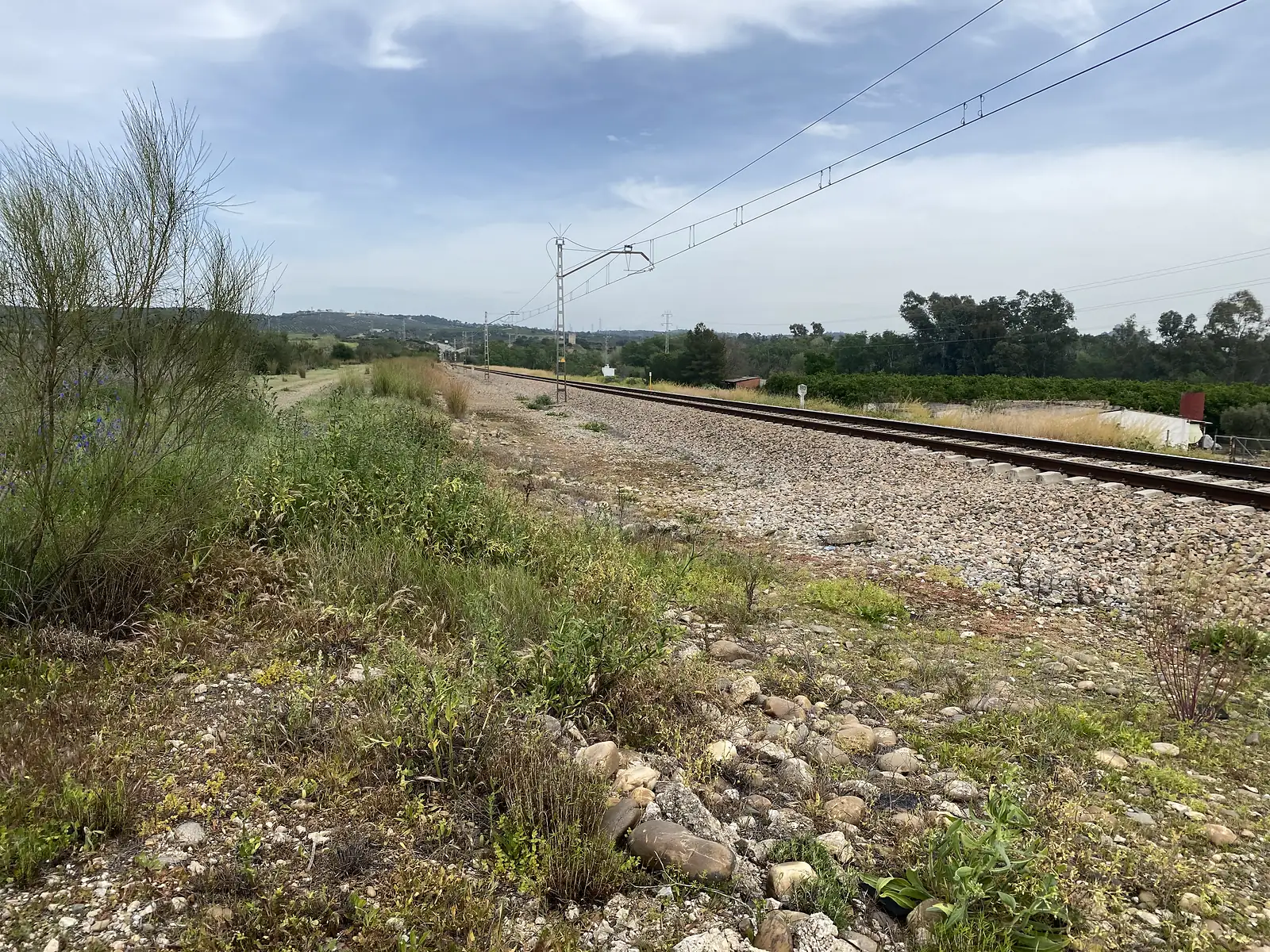
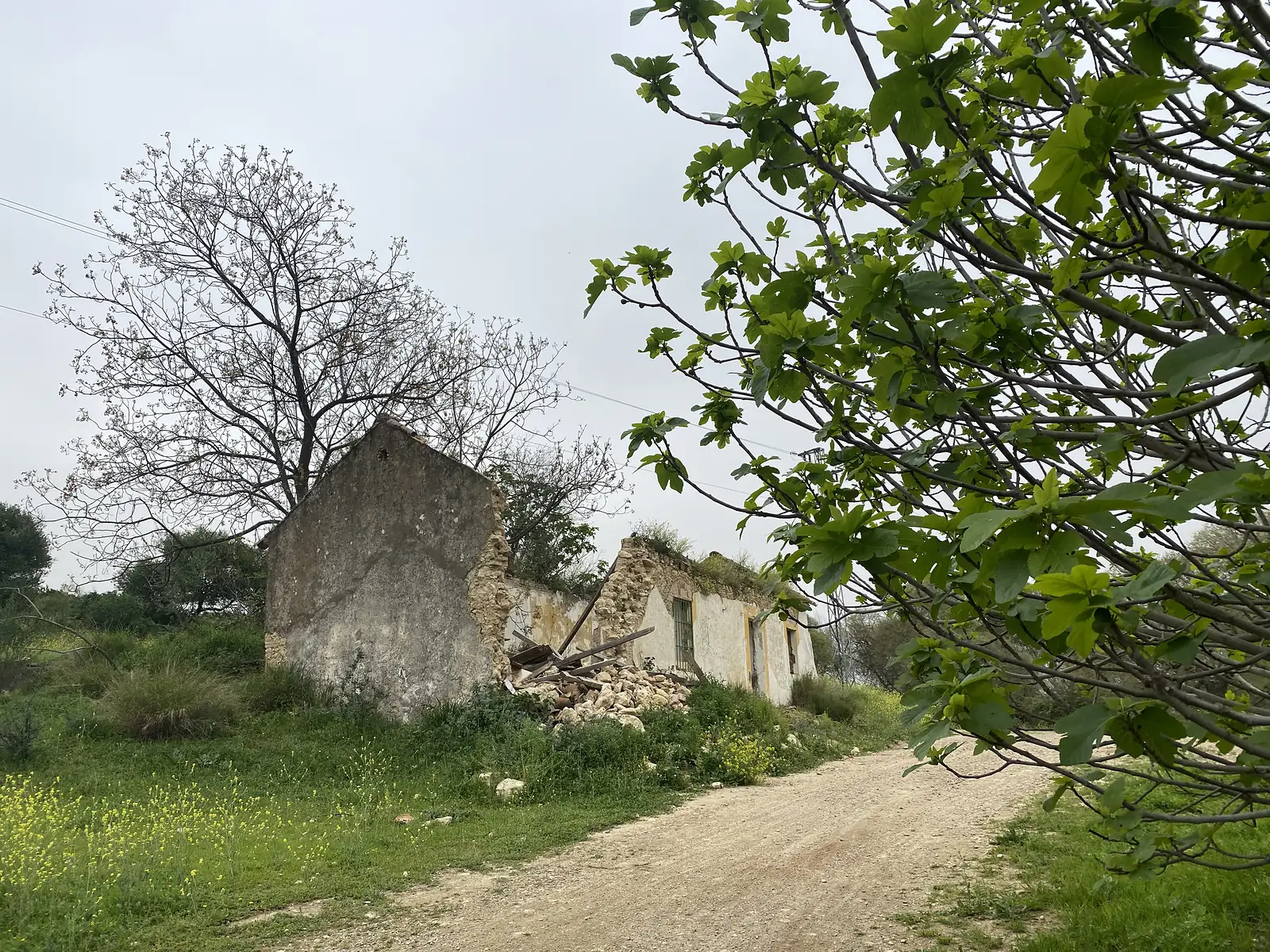
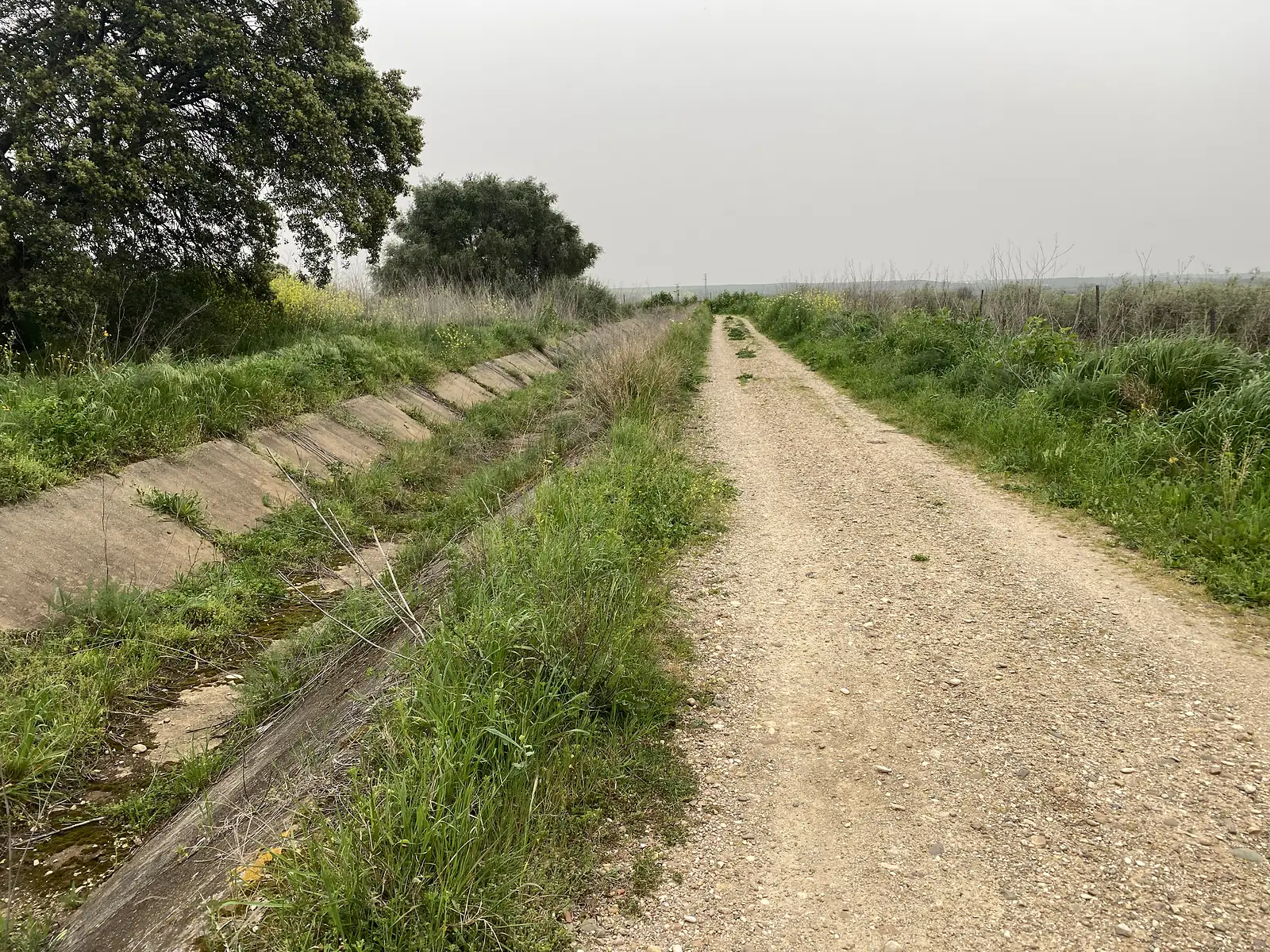
Descending to the level of the plain, the openness persists, but here the connection to the land feels visceral, immediate. It is early spring, but already the earth is beginning to crack and fracture, the first signs of the arid season ahead. But the river here provides life: the rhythmic, mechanical hiss of irrigation machines comes and goes as I cycle past, occasionally a fine spray hits me, splashing cool relief against my skin.
Although there are many olives, the patchwork fields closer to the river with its life-giving water are alive with thirsty crops. As I cycle past, the clear aromas of onions hit me, then the sweetness of citrus groves and then, oddly, that distinctive pong of cabbages. The smells are as rich as the history of this plain, which has supported human life for millennia.
And then, almost without warning, the city arrives. Cordoba emerges abruptly from the flatness, its edges marked by ultra-modern apartment blocks that rise with crisp, Scandinavian simplicity. The roads here are wide, their generous layouts punctuated by gaps reserved for future development. Shopping malls, car parks, and new saplings line the streets, their slender trunks a testament to how recently this urban fringe has been planted. The city’s modern face is striking, but it feels transient, as if still negotiating its place with the surrounding timelessness.
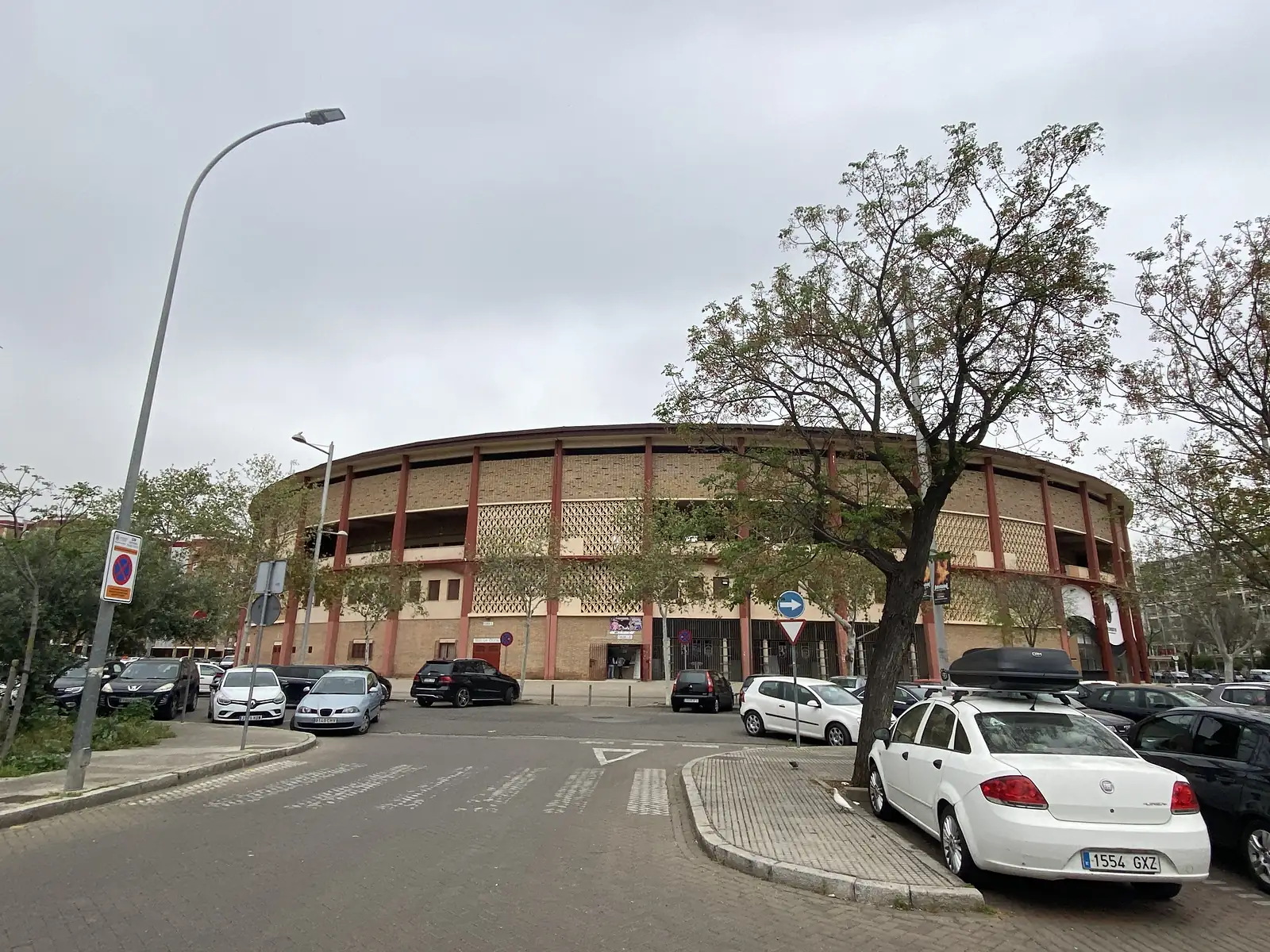
Moving inward, the architecture shifts. Mid-century modernist buildings come into view, their clean, functional lines rendered in warm, earthy tones of brown concrete and orange bricks. The bullring stands out, its circular form out of place amongst the surrounding housing blocks. It looks like a car park hiding its true purpose from the non-believers.
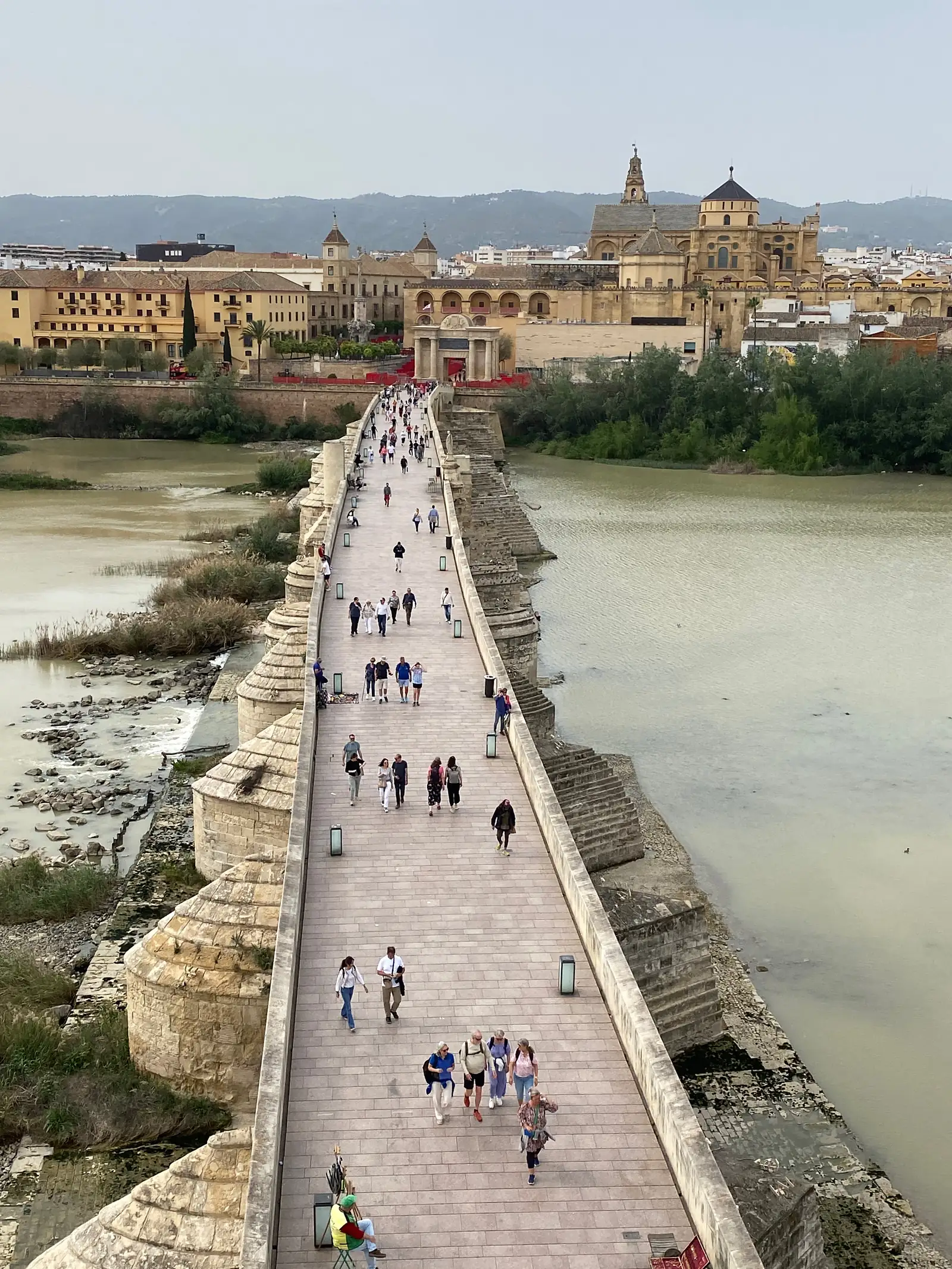
Further on still, Cordoba’s ancient core begins to emerge. The transition is clear, as soon as you pass the modern boulevards and block-like structure of the outer city you immediately get lost within the ancient alleys and ginnels stretching back millenia. Eventually you reach the heart of the city: the ancient Mosque Cathedral, a stone’s throw from the river and the ancient Roman bridge.
It is a city of layers, one by one exposing the lives of those that have lived here for generations.
Things to see in Córdoba
On the way into Córdoba
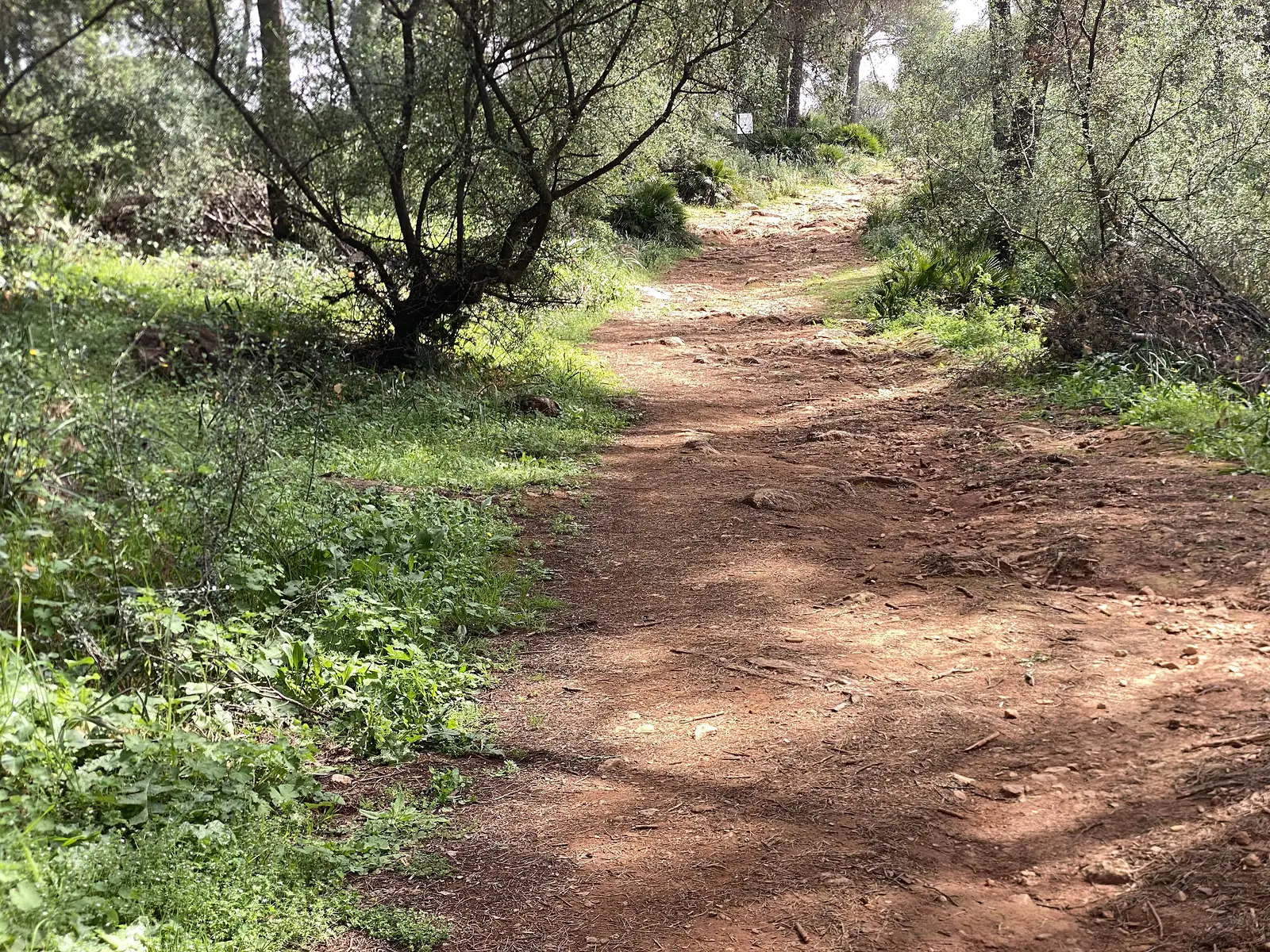
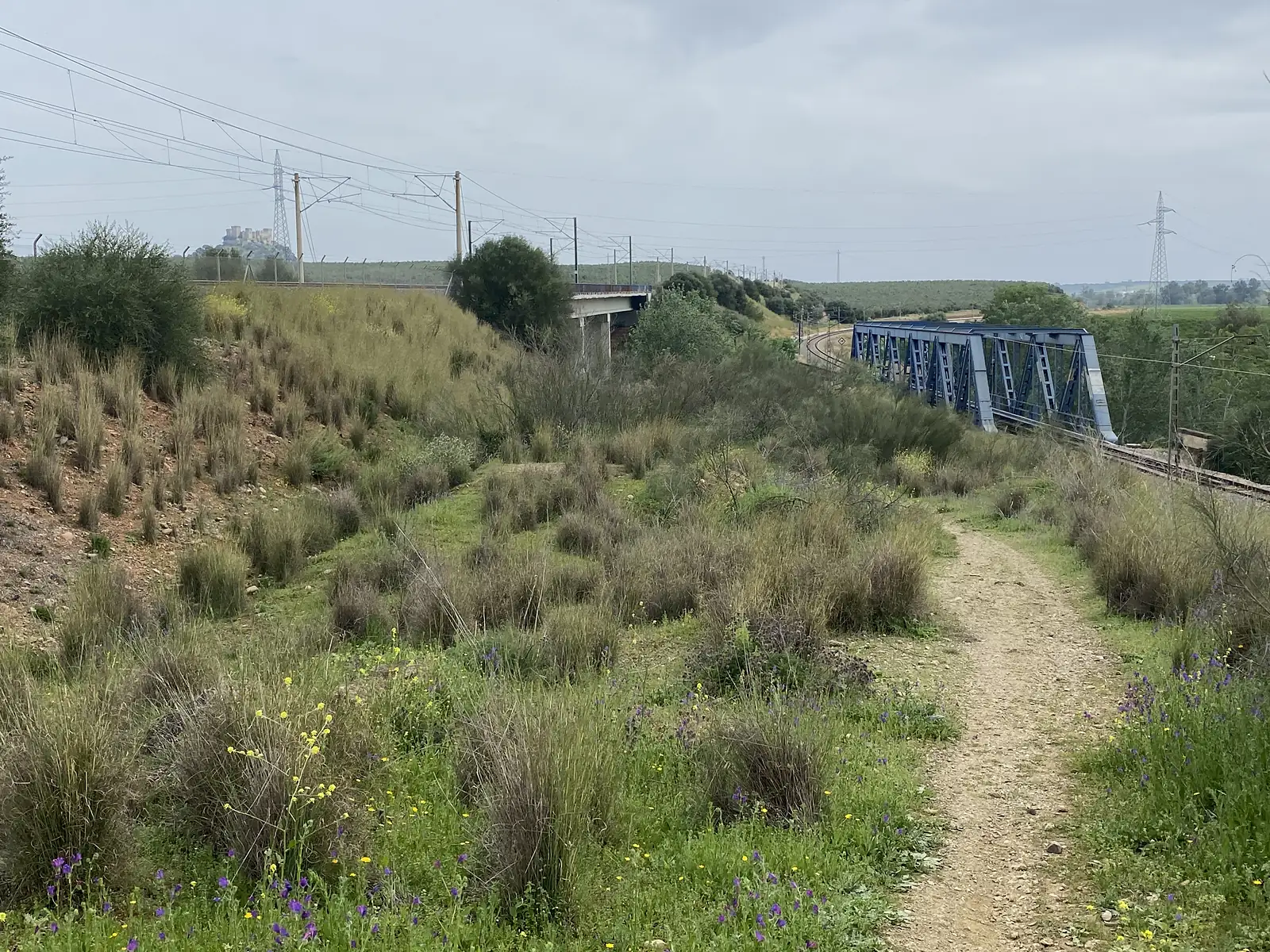
- Dolmen Megalítico near Posadas. Only rediscovered in 1991, this megalithic funerary monument is near the route described.
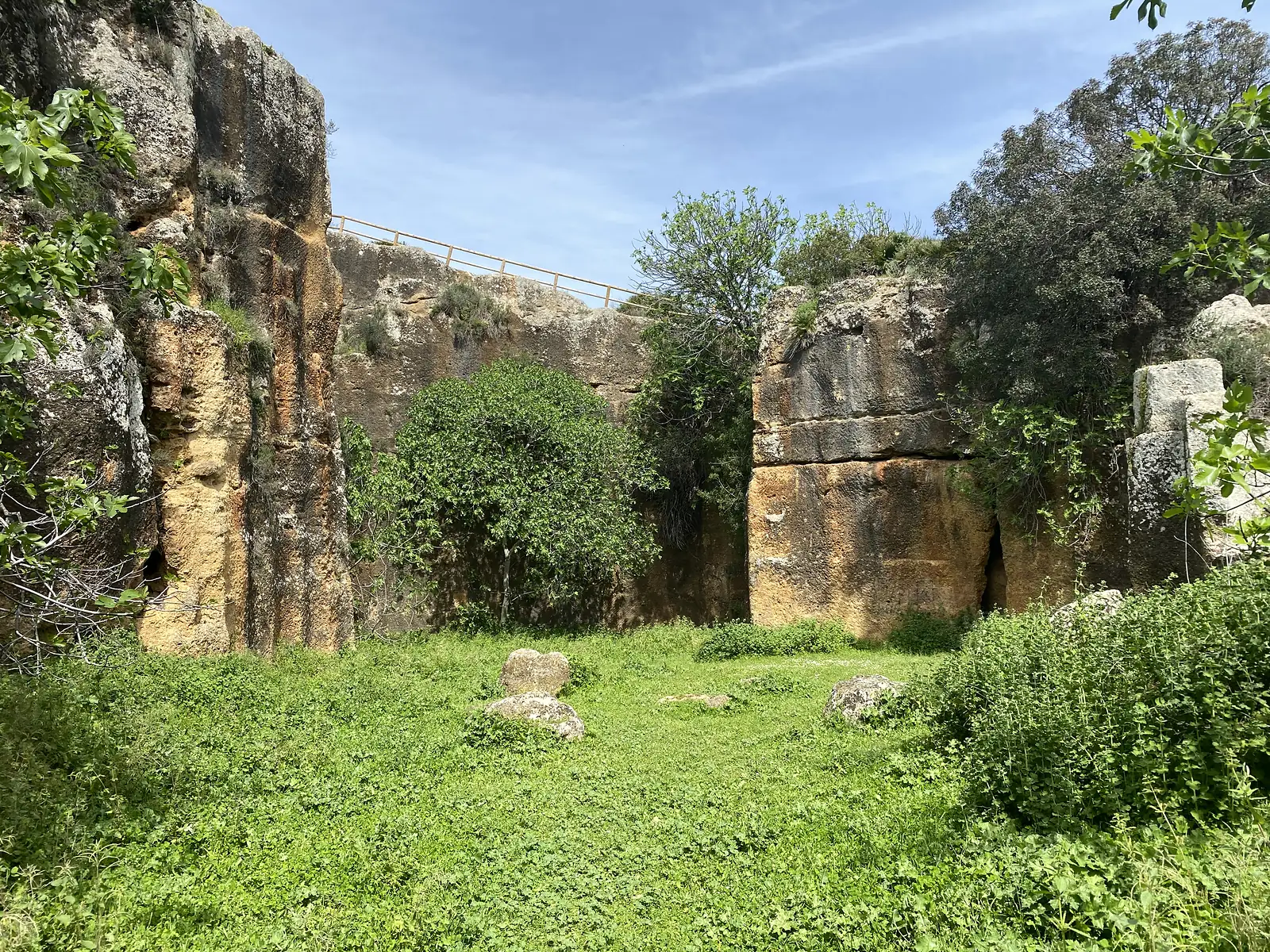
- Cantera Honda near Posadas. An open stone mine used for Roman construction; some of the remains of columns are still visible.
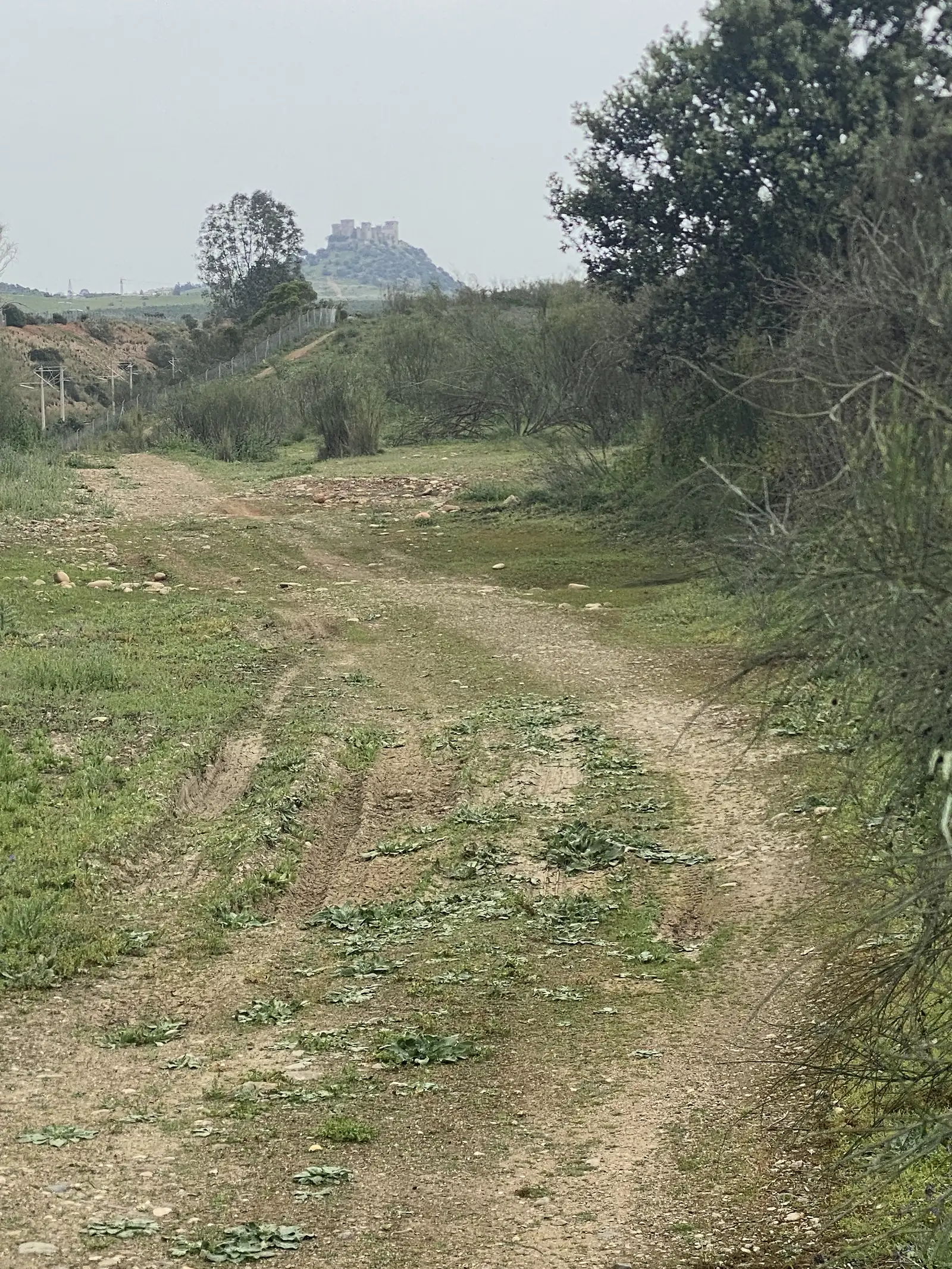
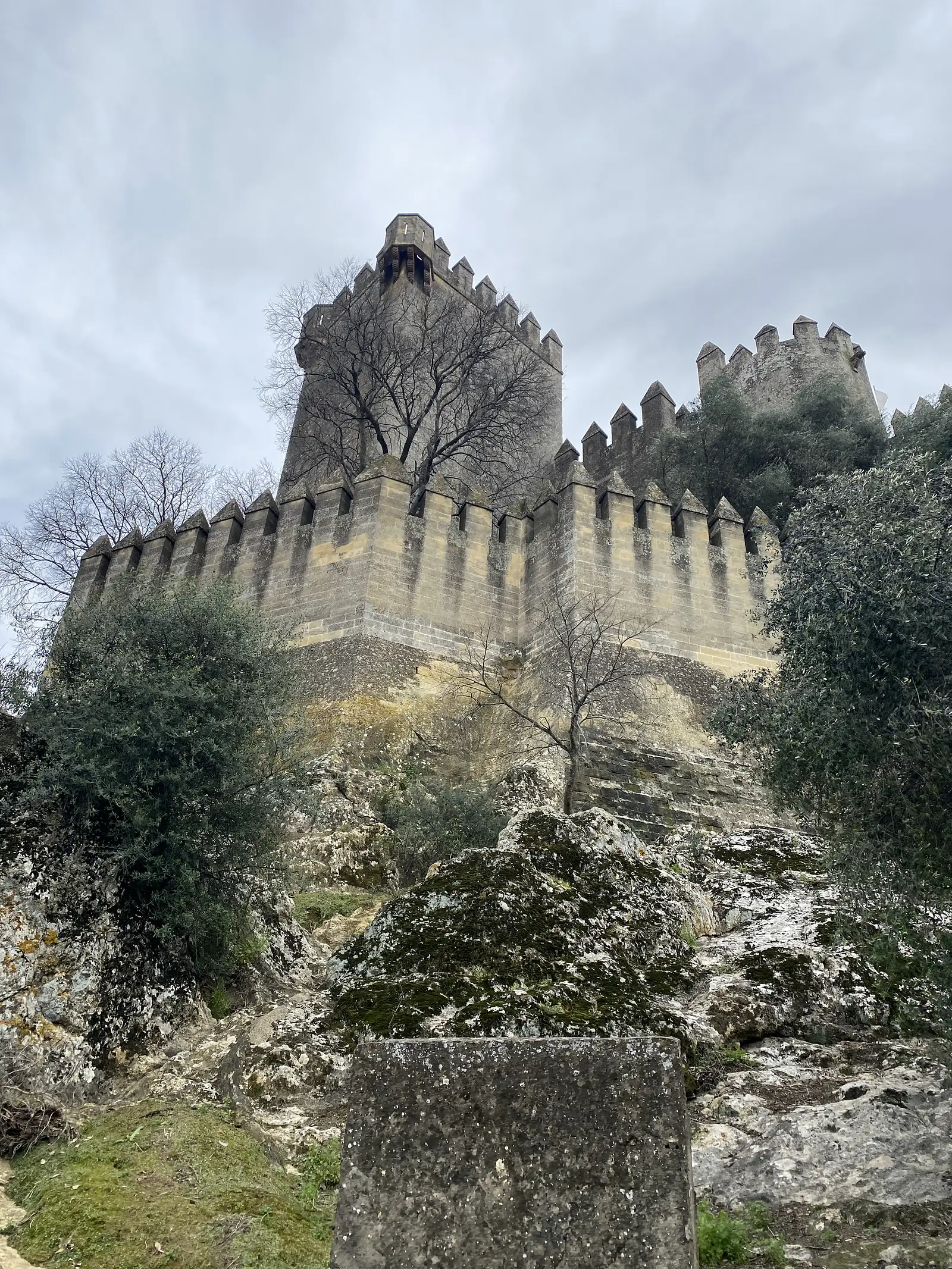
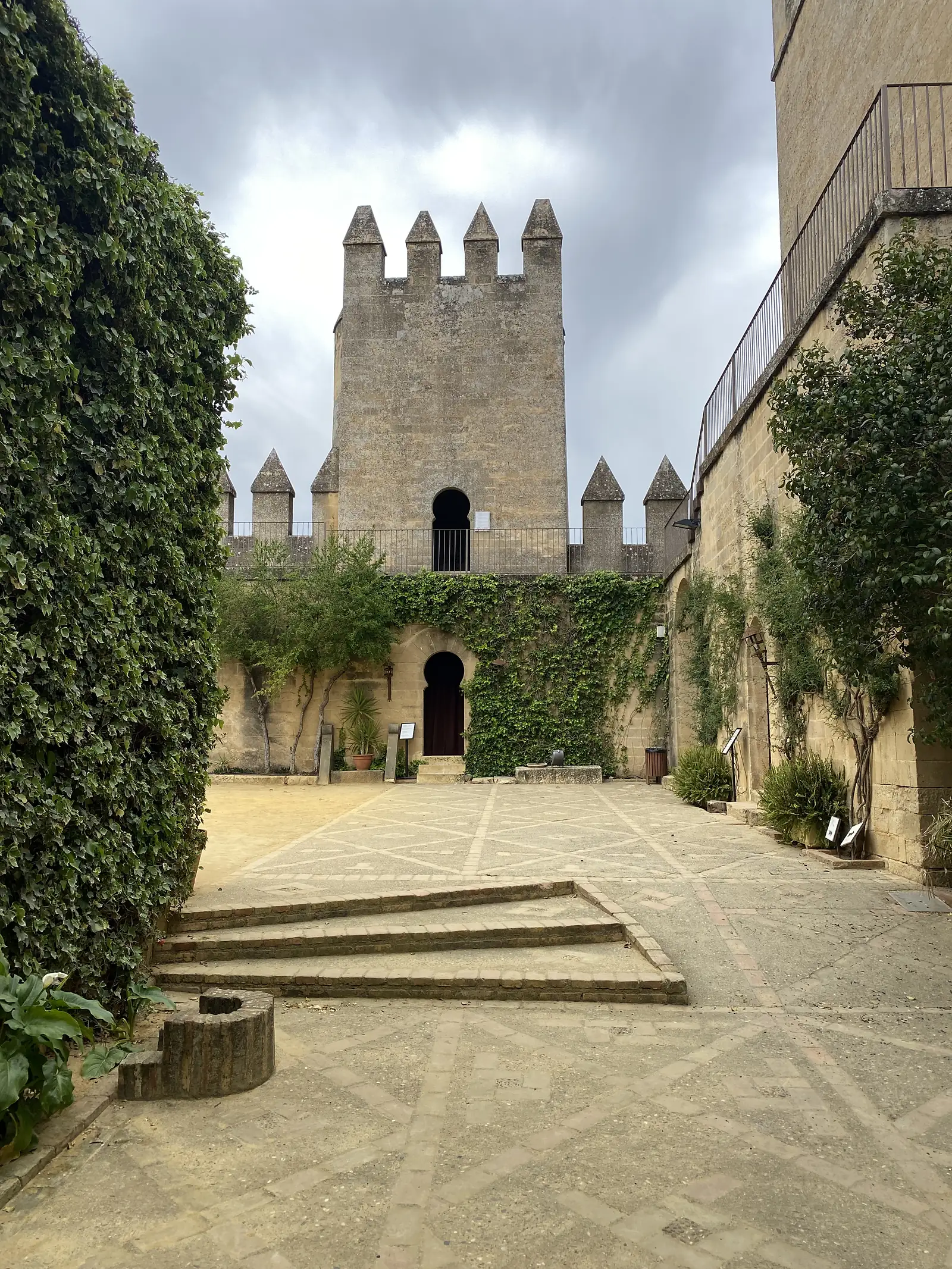
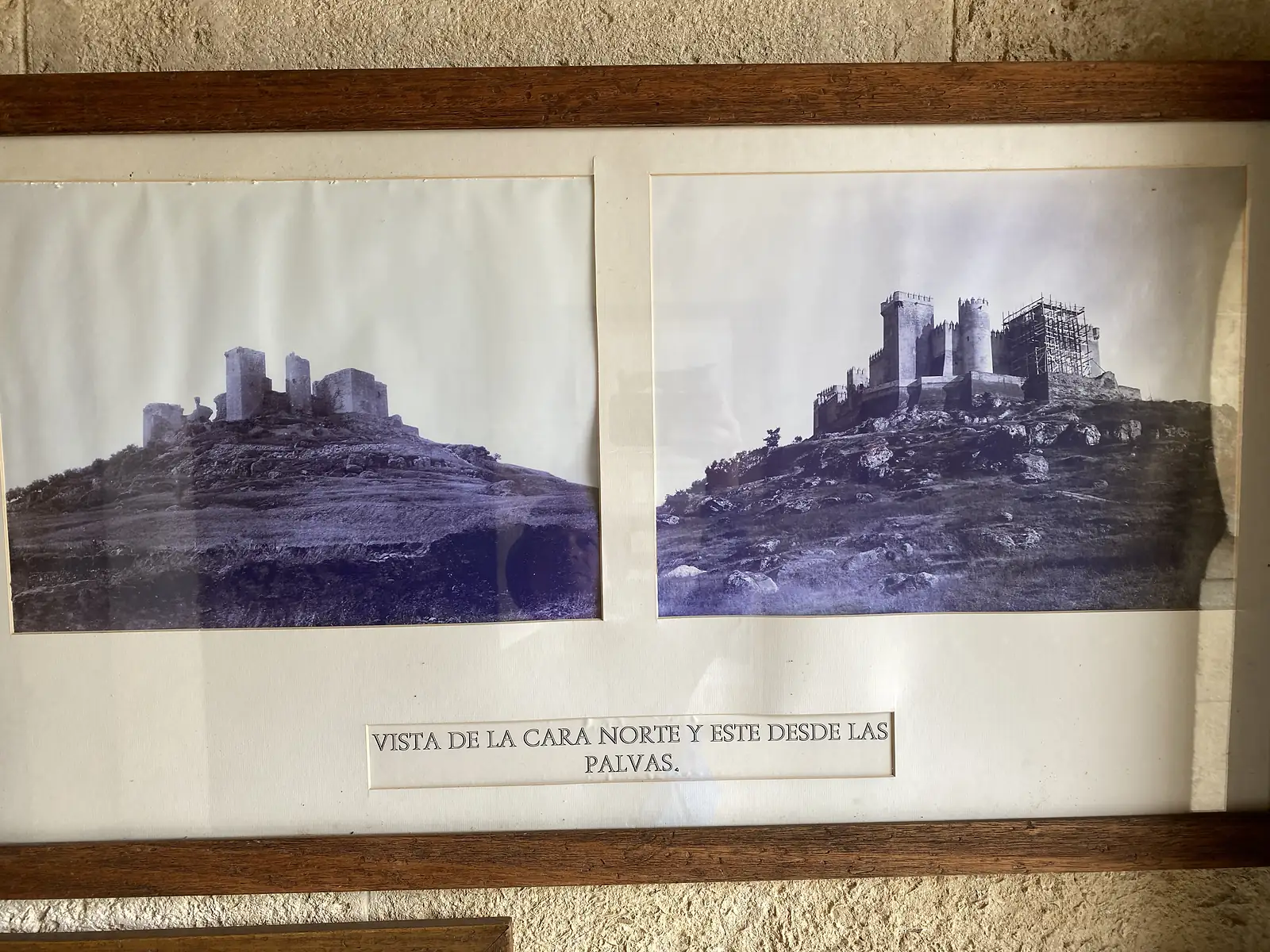
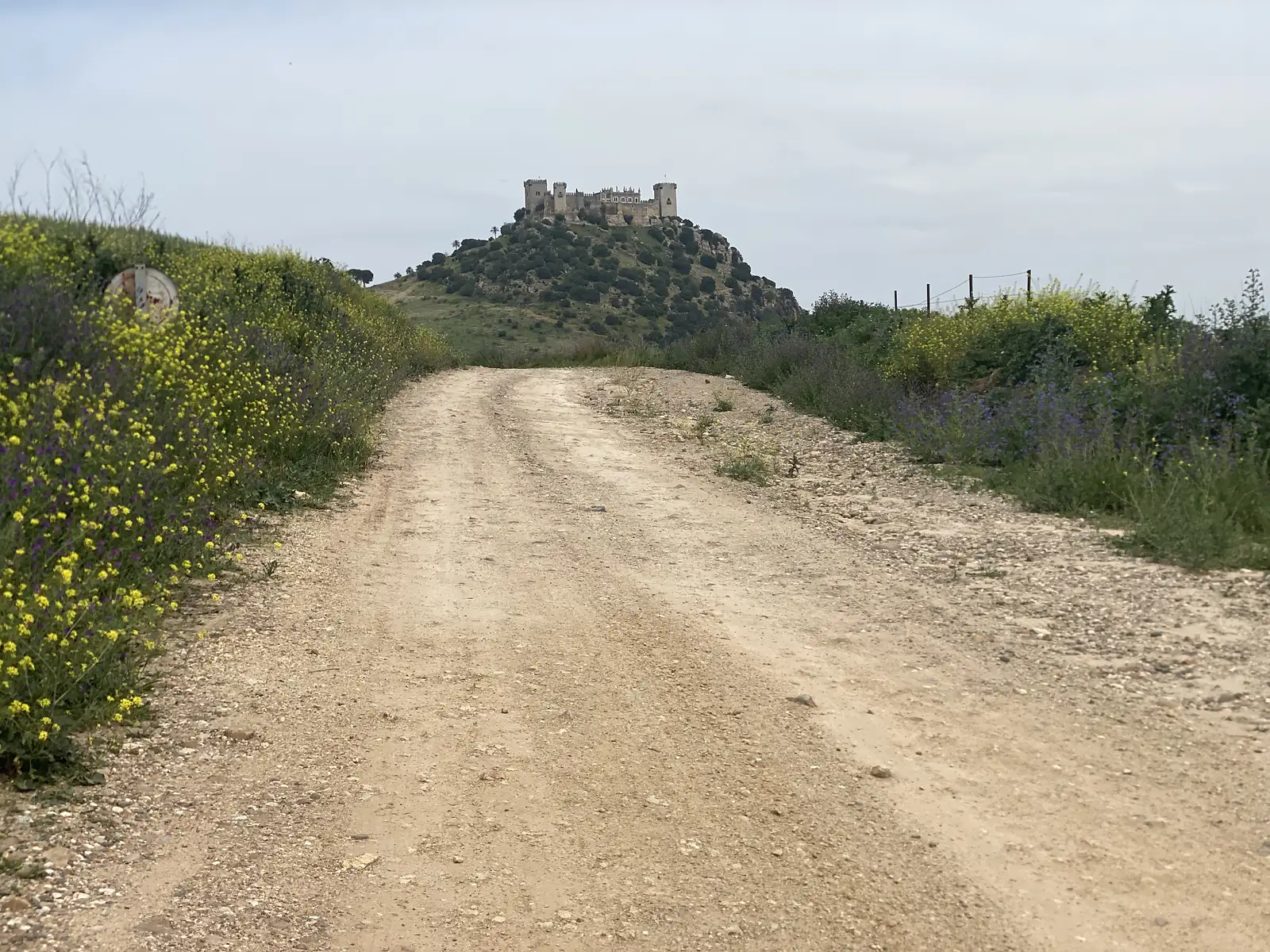
- Almodóvar del Río is best know for its Game of Thrones castle which is hugely impressive. Especially interesting is that it was a pile of stones just a century ago.
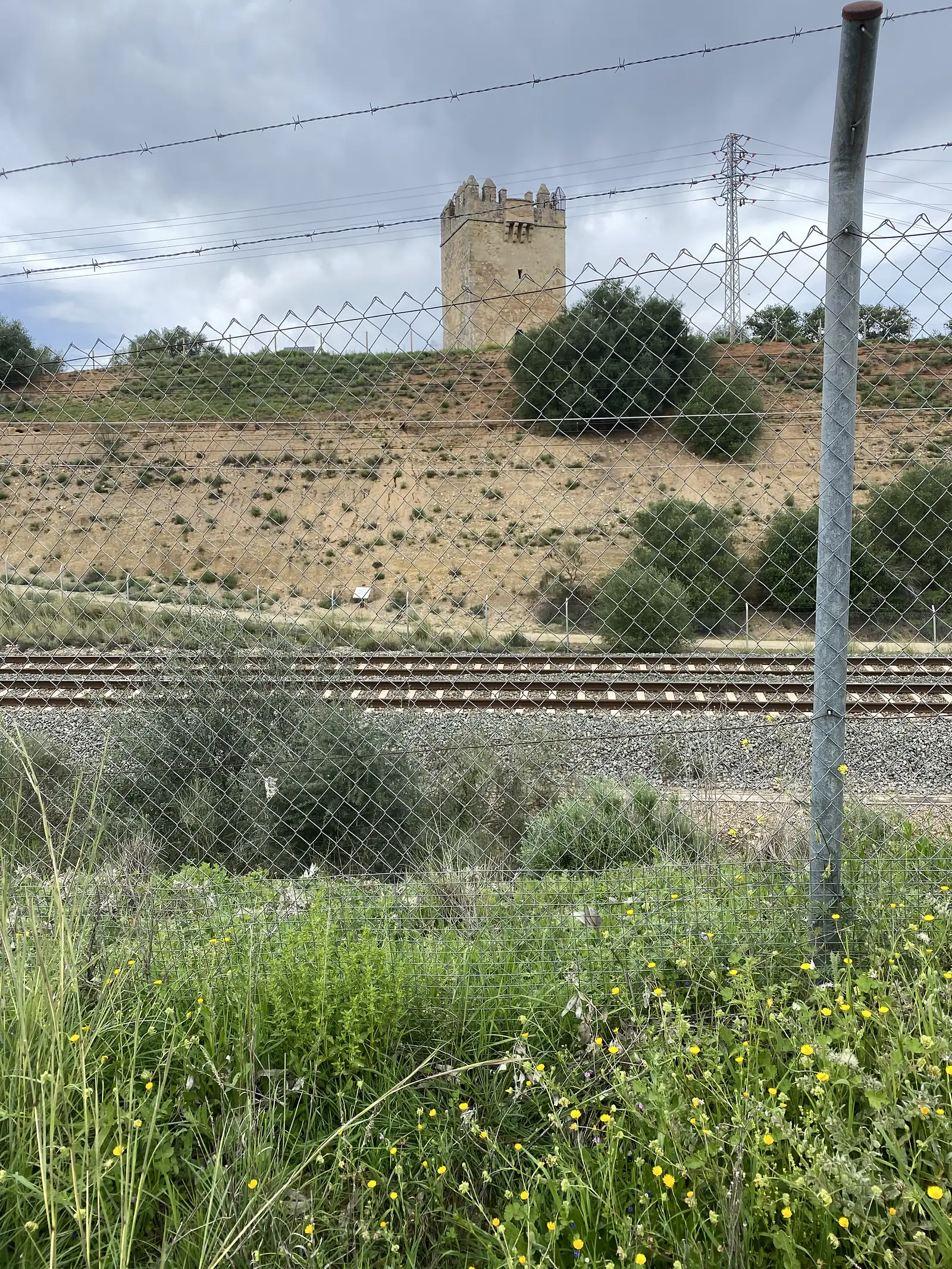
- Just outside Córdoba lies Medina Azahara, the extensive remnants of a once-magnificent palace city built in the 10th century under the Caliphate of Córdoba. It was abandoned shortly after following the civil war that shattered the caliphate. You start in the museum at the bottom of the hill (right next to the route as described) and can then take regular buses up to the site itself.
Córdoba itself
- Poniente-Norte district. This is the first you’ll see of the city. Completely new and a little desolate.
- Córdoba has long been associated with bull fighting with many of the famous matadors (The “5 caliphs”) hailing from the town. In fact the current modernist bullring is named after them: Los Califas bullring. Looking a little like a large toilet block or car park from the outside, it is also used for events such as tennis.
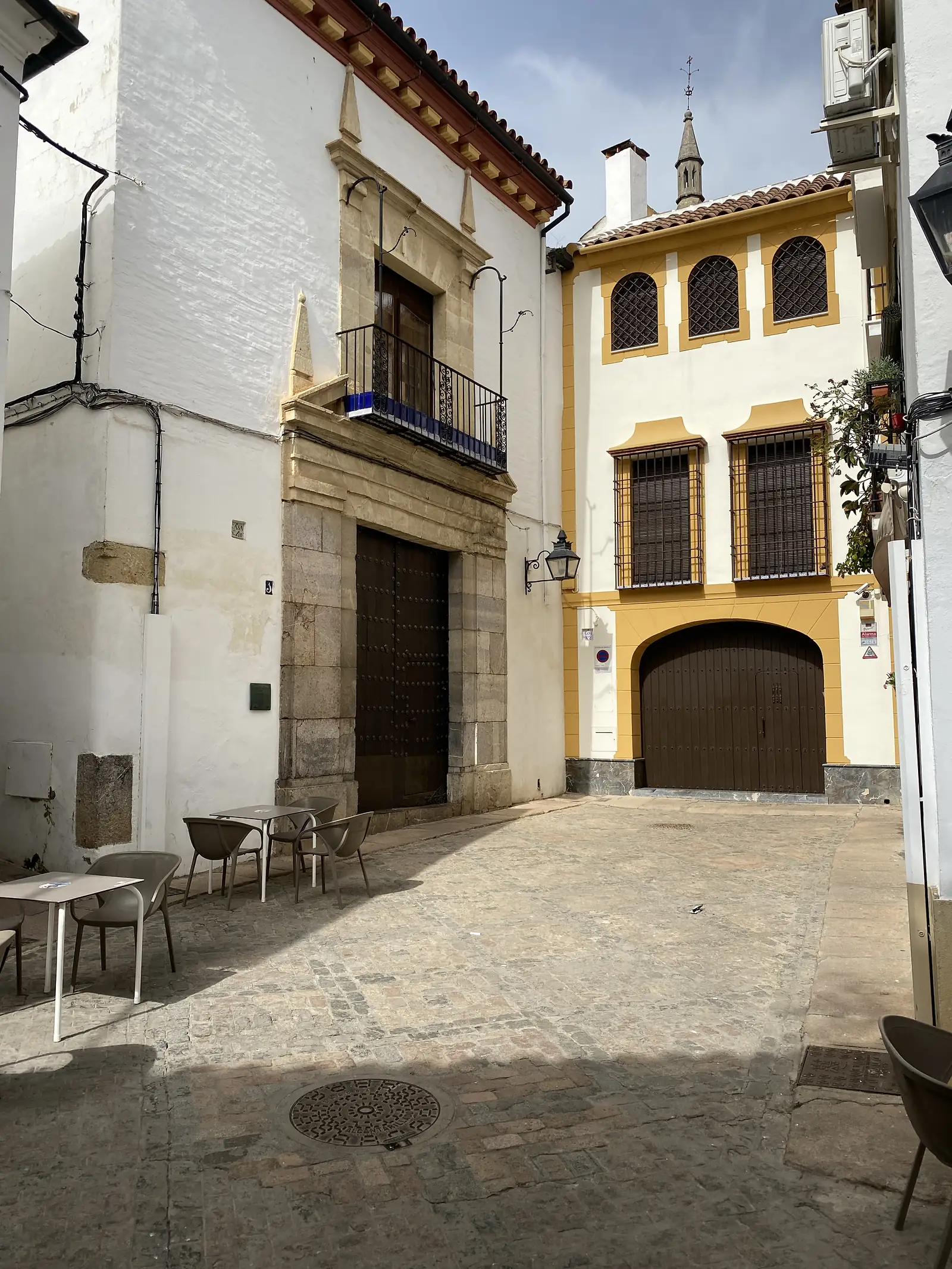
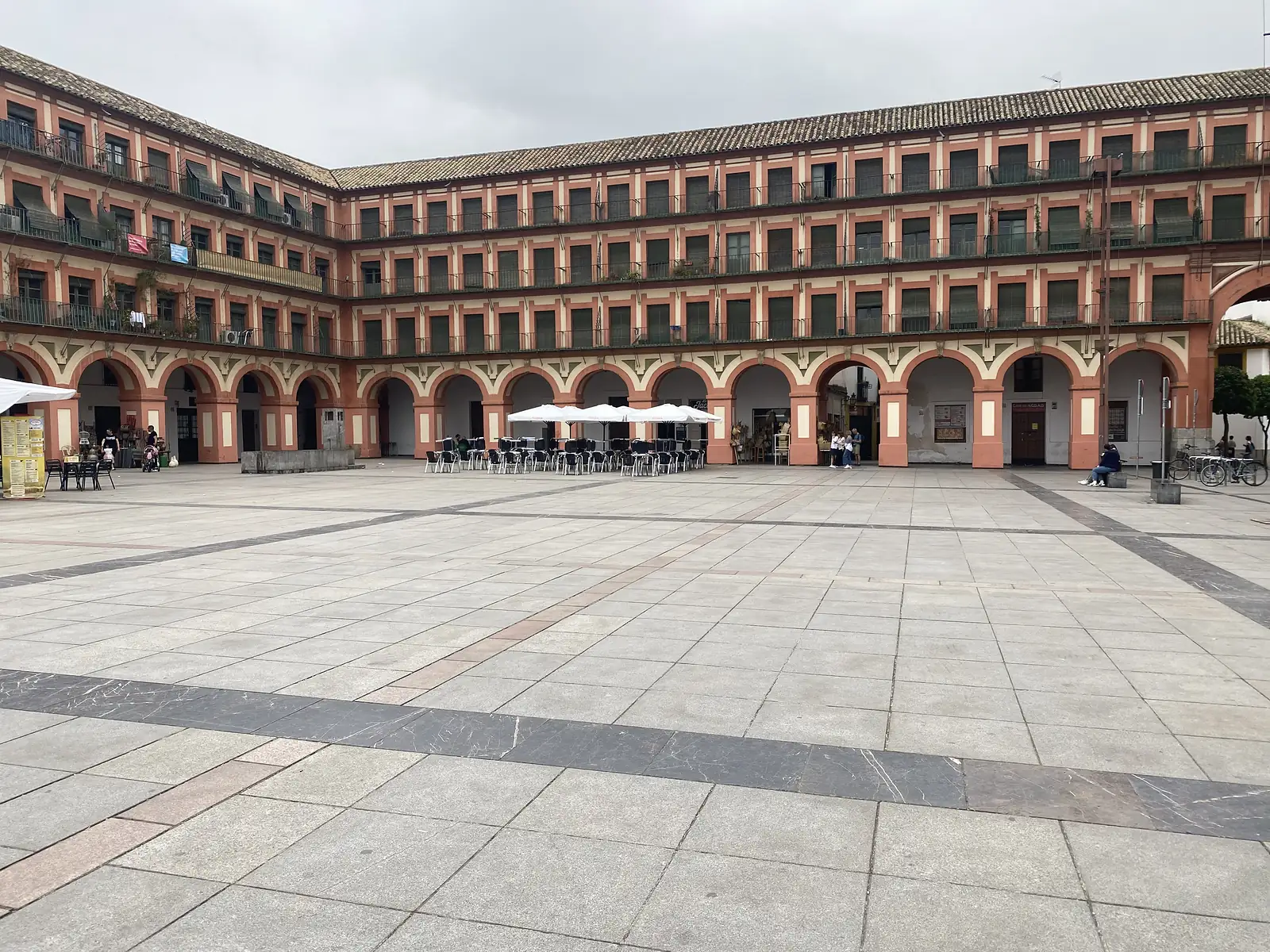
- Get lost in the narrow streets of the old “medina”. This is not Marrakech, you won’t get lost but also you won’t be troubled by “guides”. Avoid the “main” lanes near the Cathedral as they’re tourist hell holes, but there are a series of small back passages such as Calleja de La Hoguera that are worth checking out for their stories.
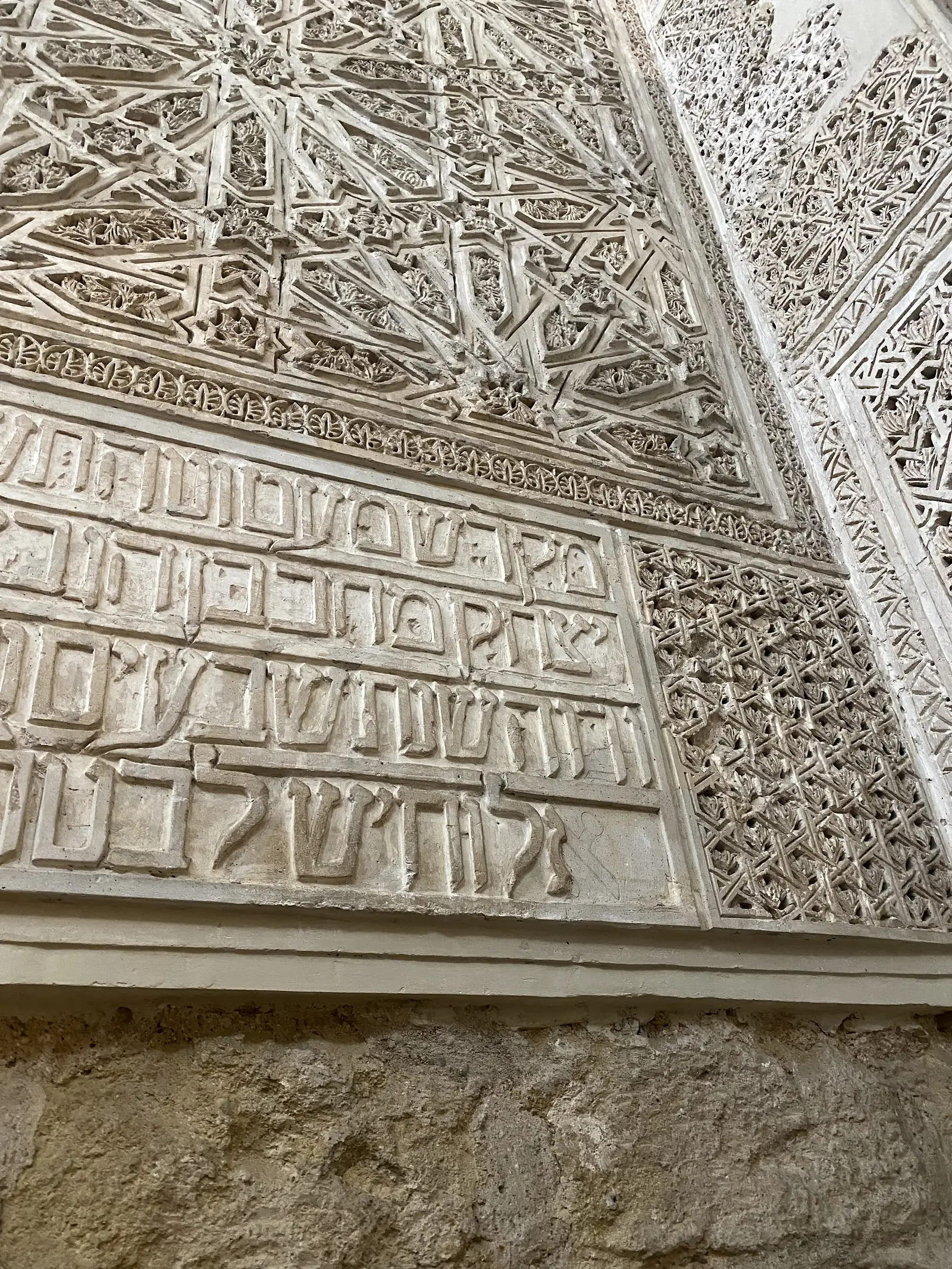
- The ancient synagogue is found in a back street in the old medina.
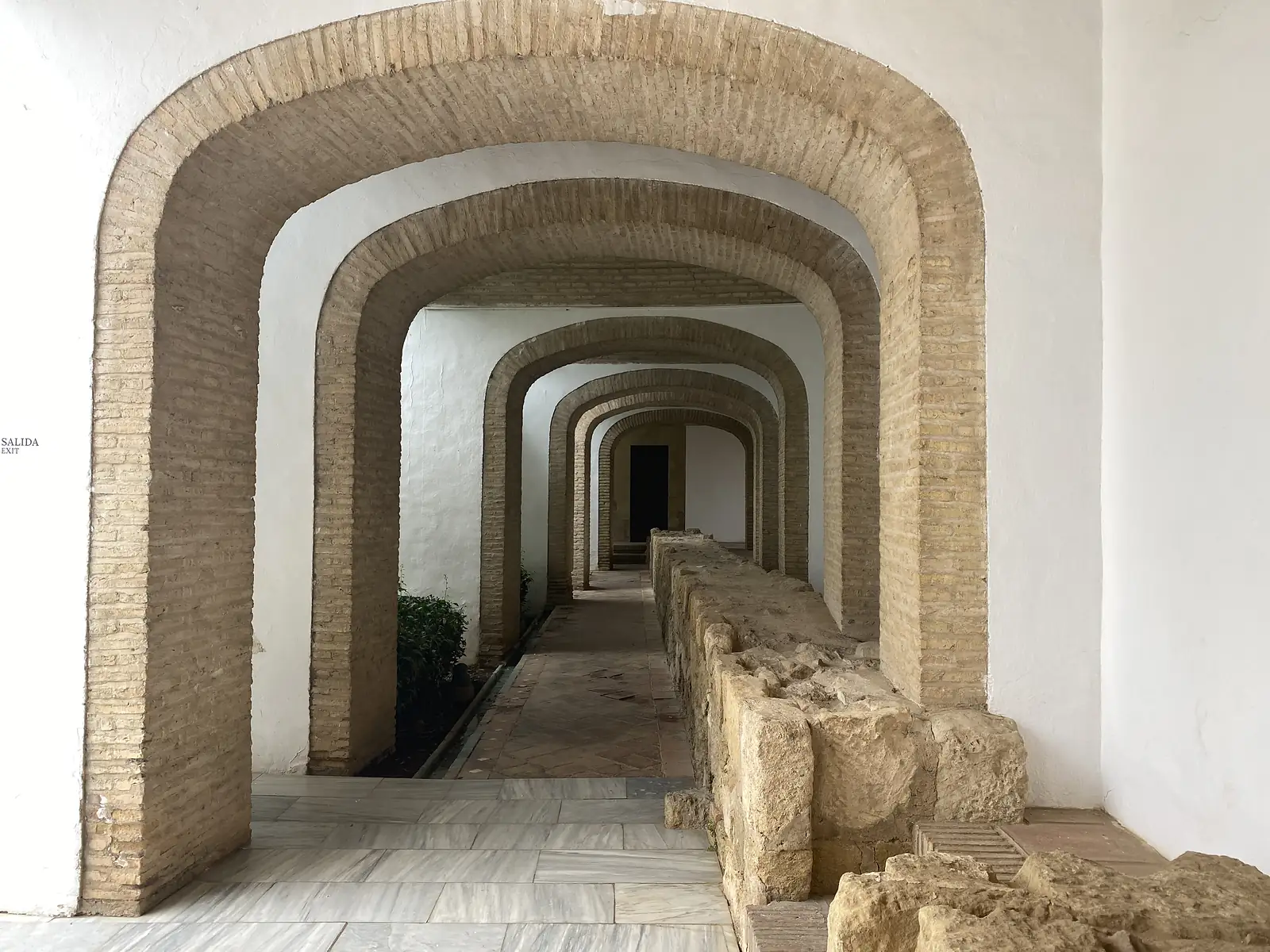
- The Caliphal Baths are an ancient arab bathhouse that has recently been rediscovered and restored. Good explanations and interesting insights.
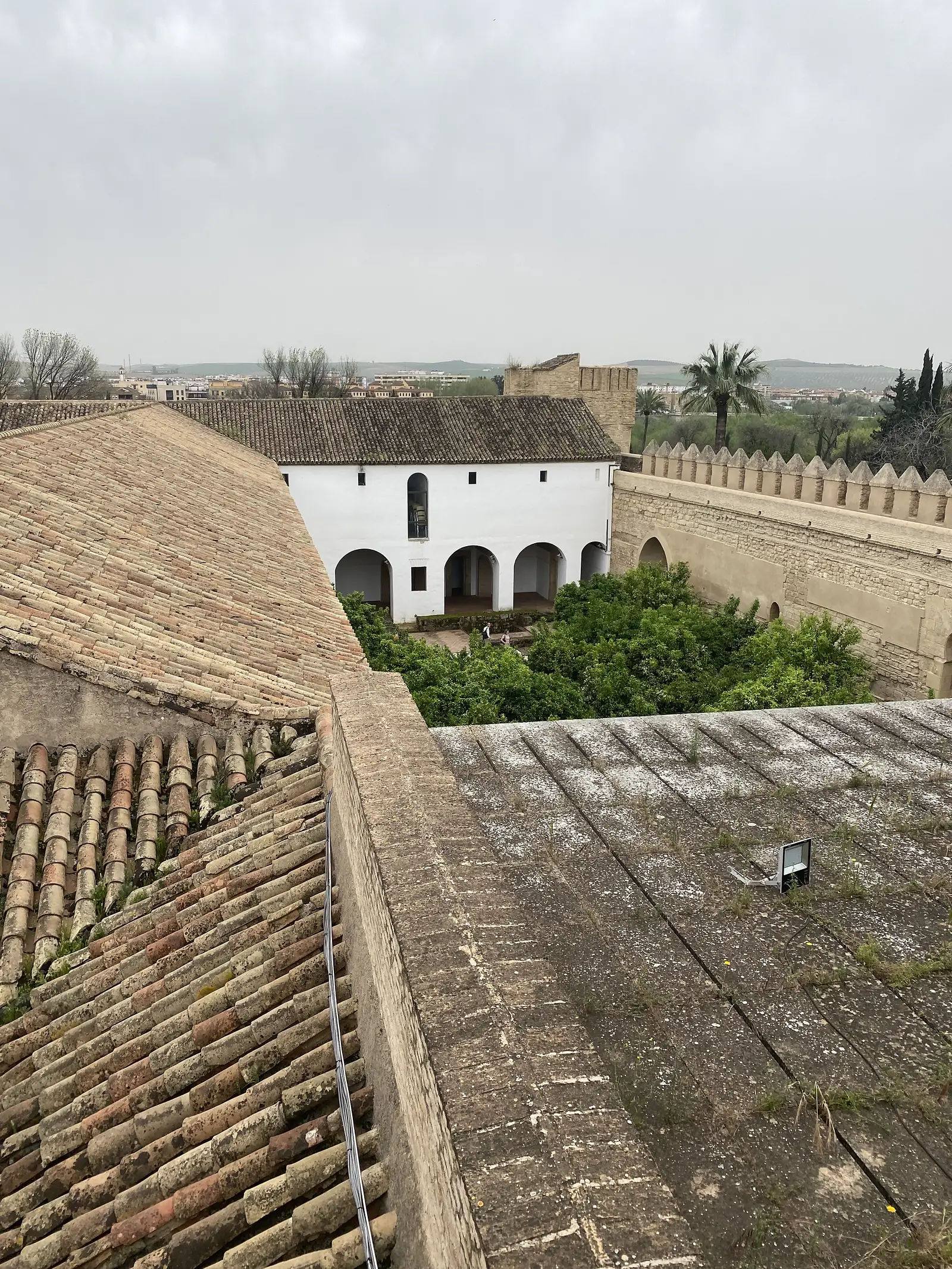
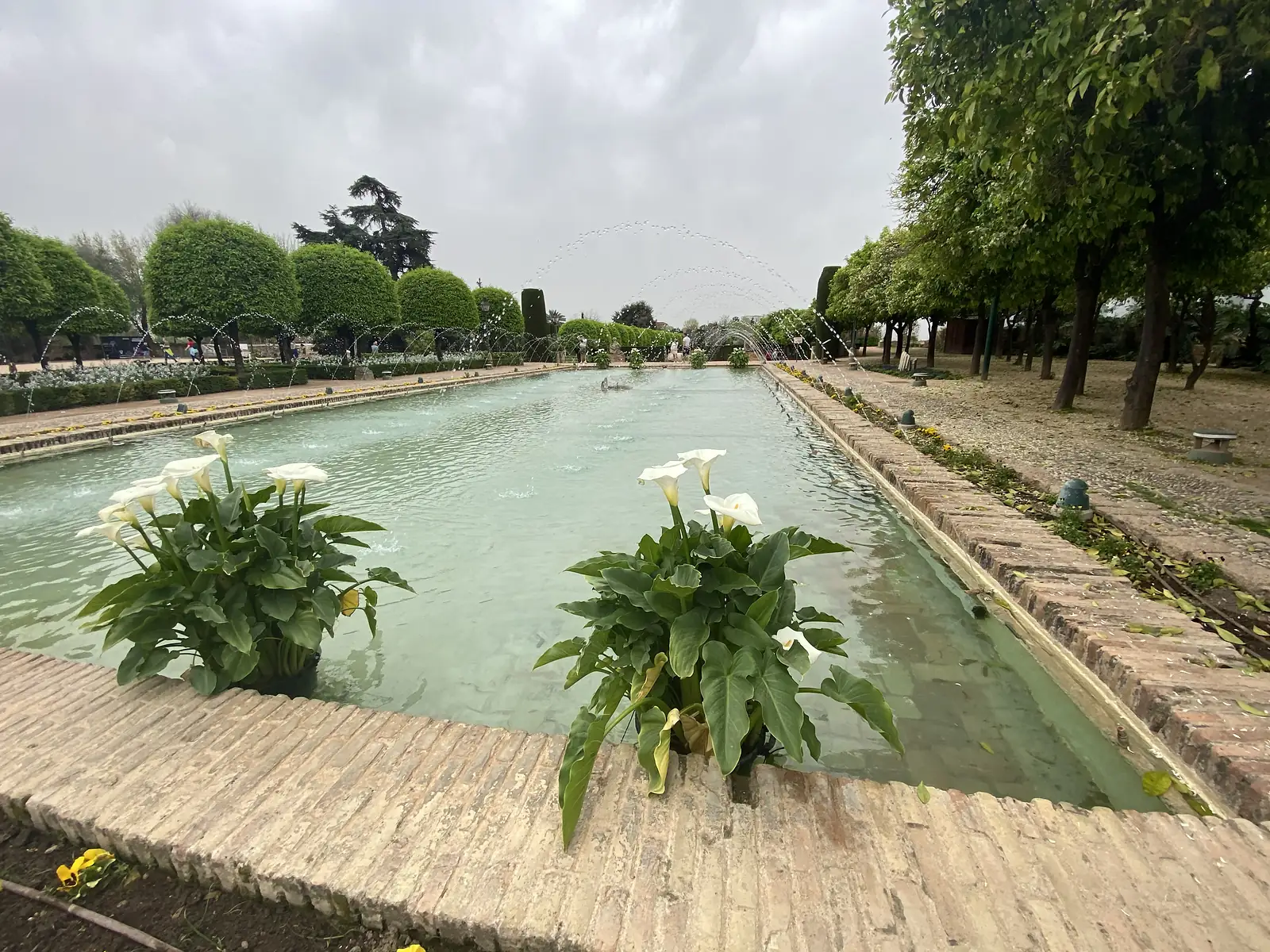
- Alcazar. A pale imitation of the Alhambra in Granada, but pleasant nonetheless, especially the gardens.
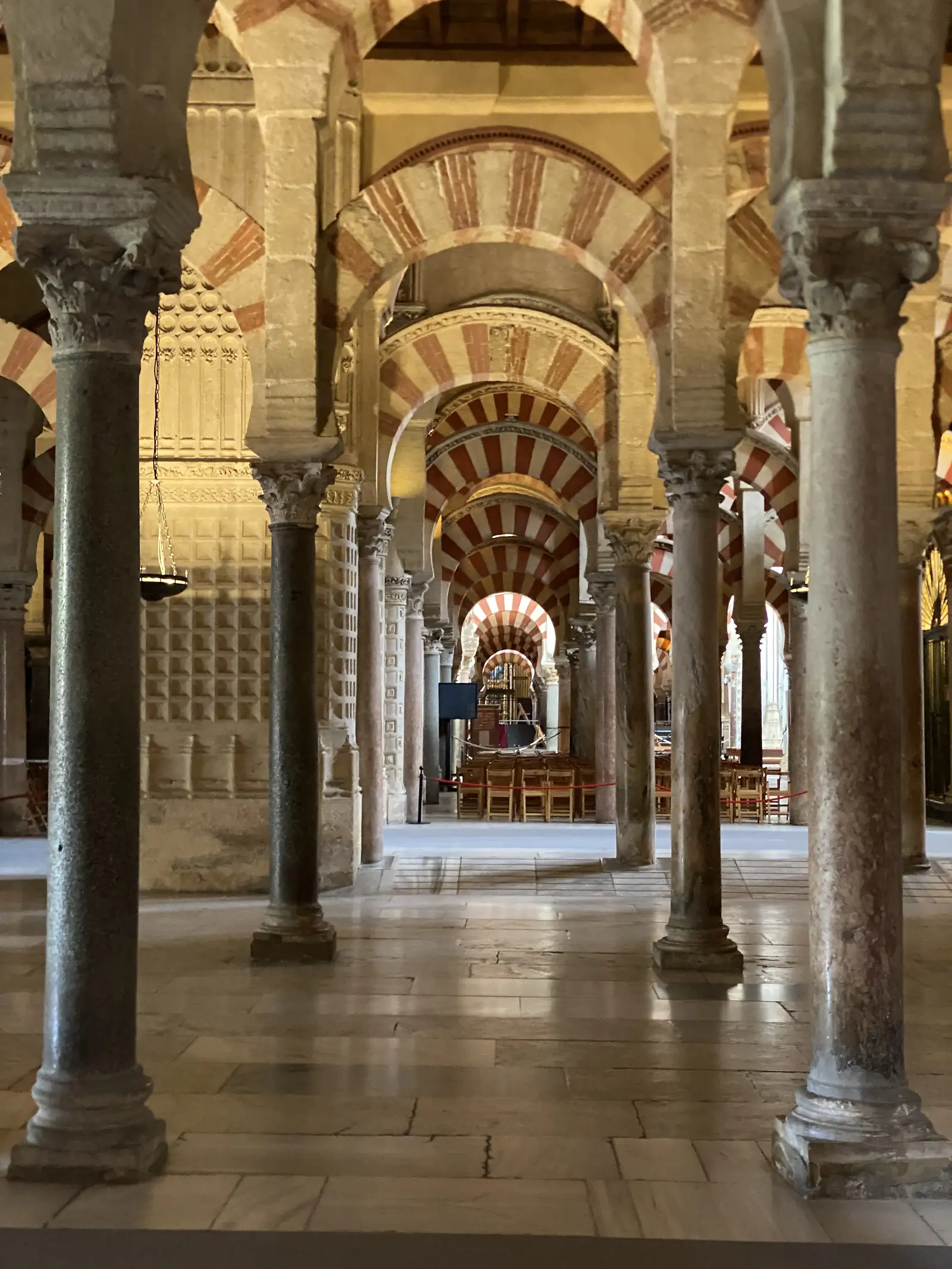
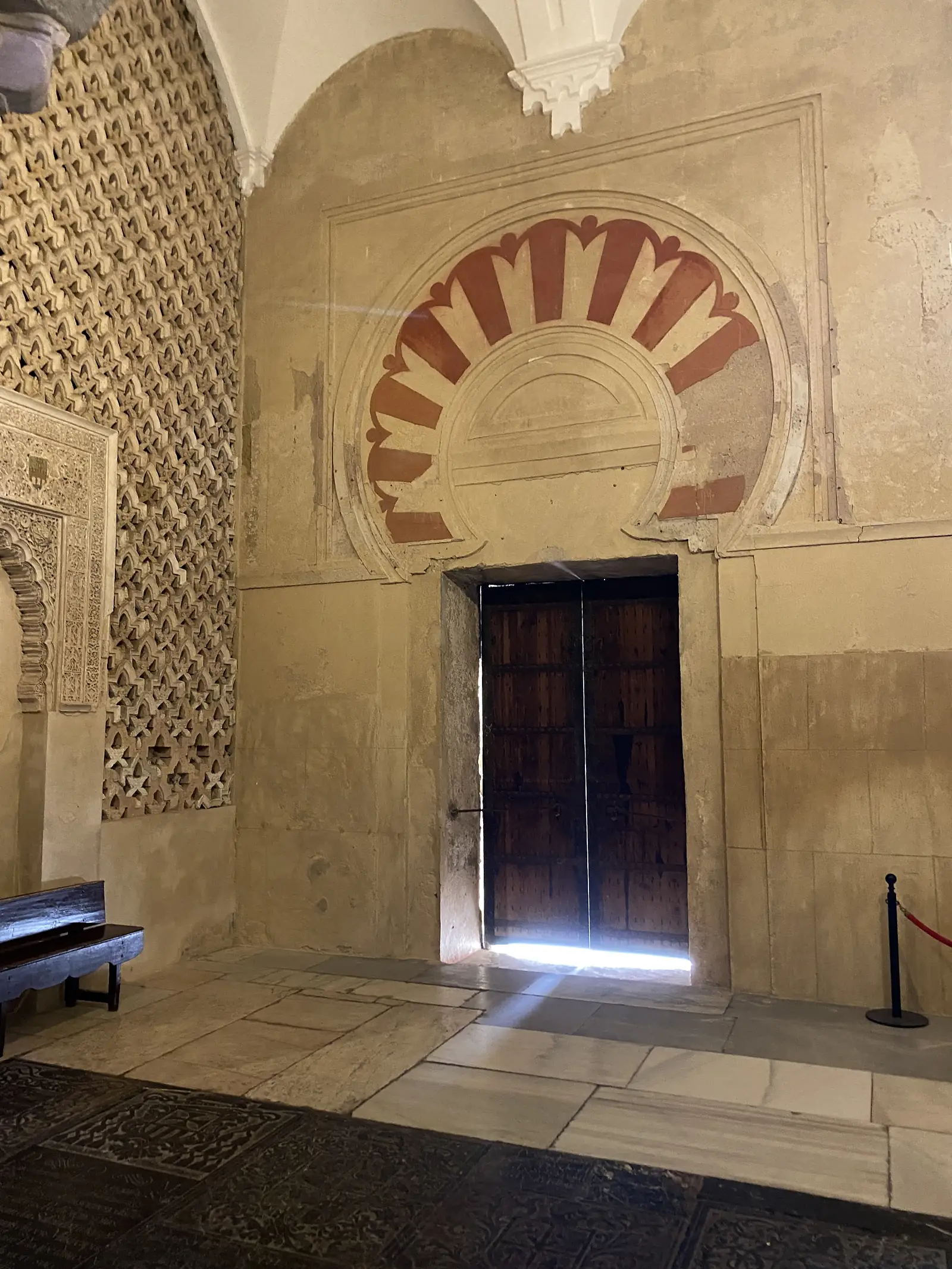
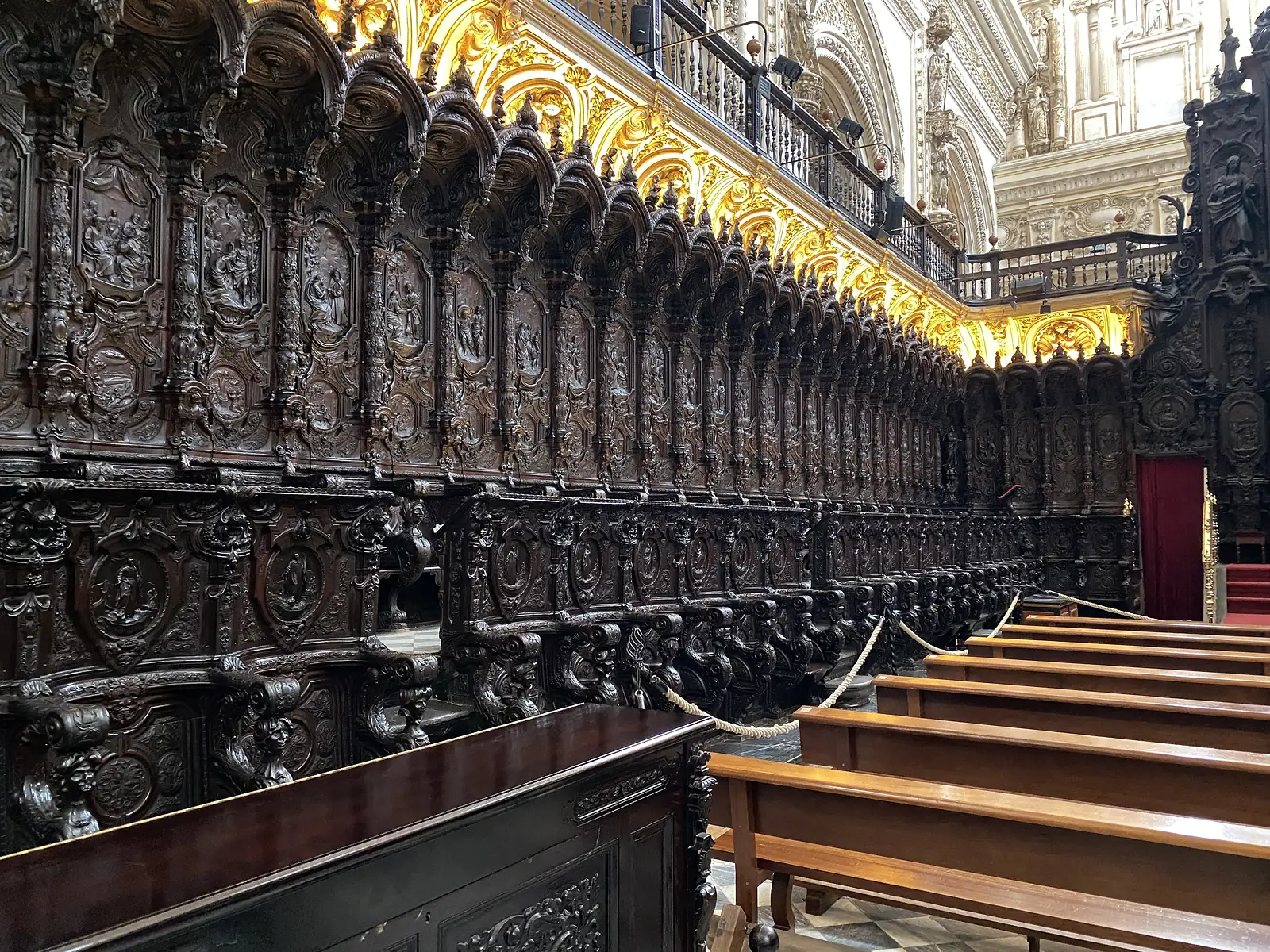
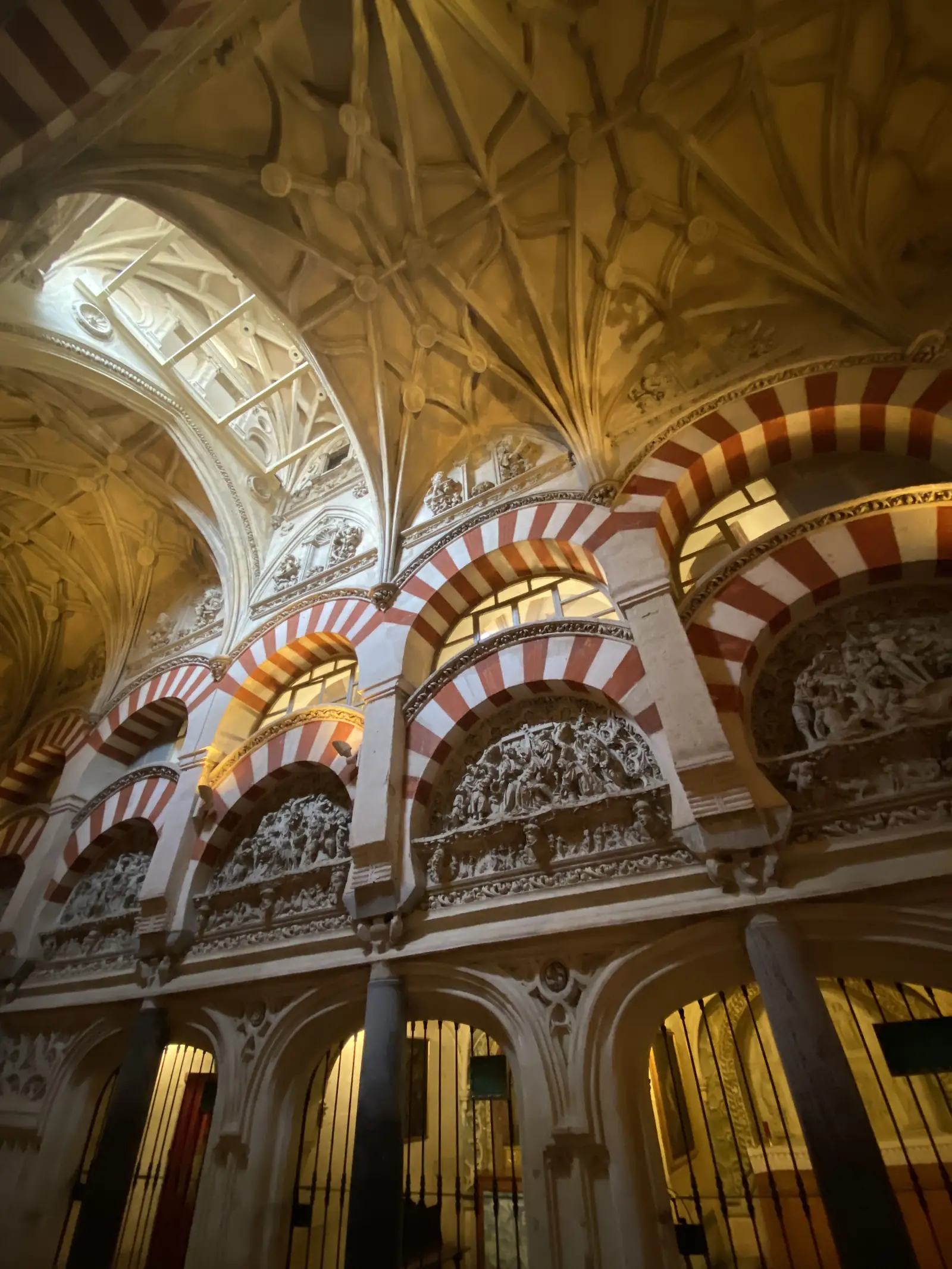
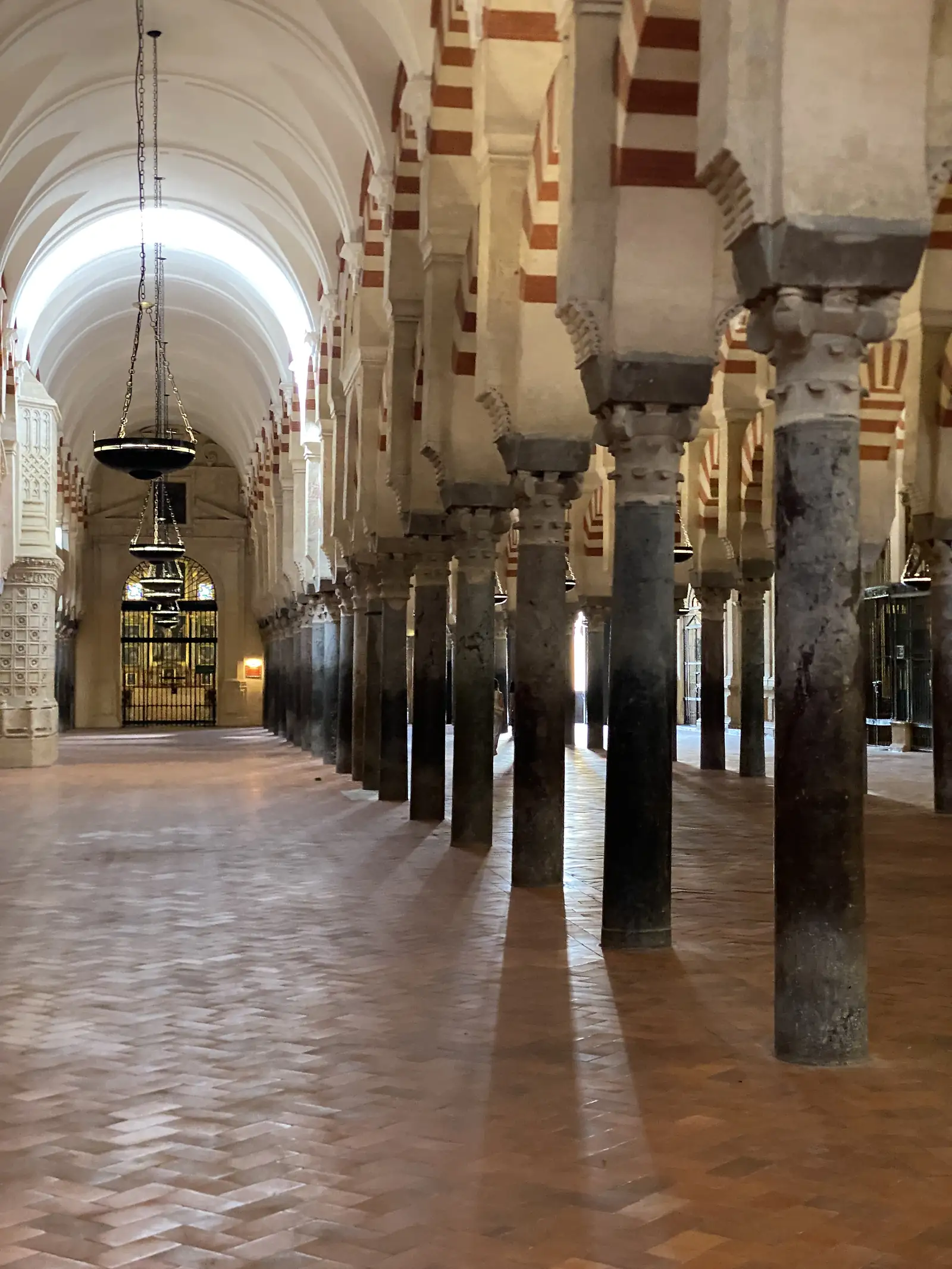
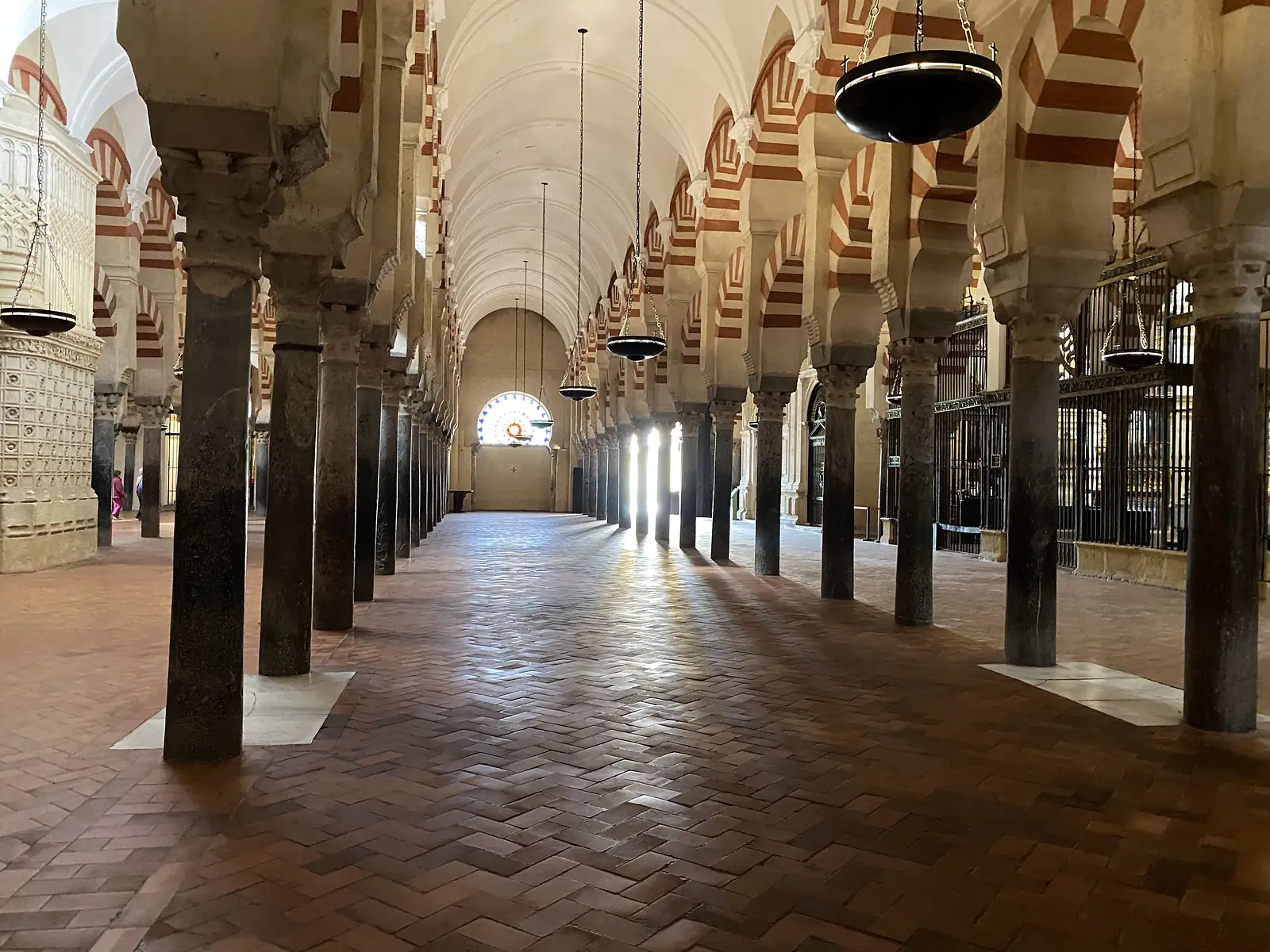
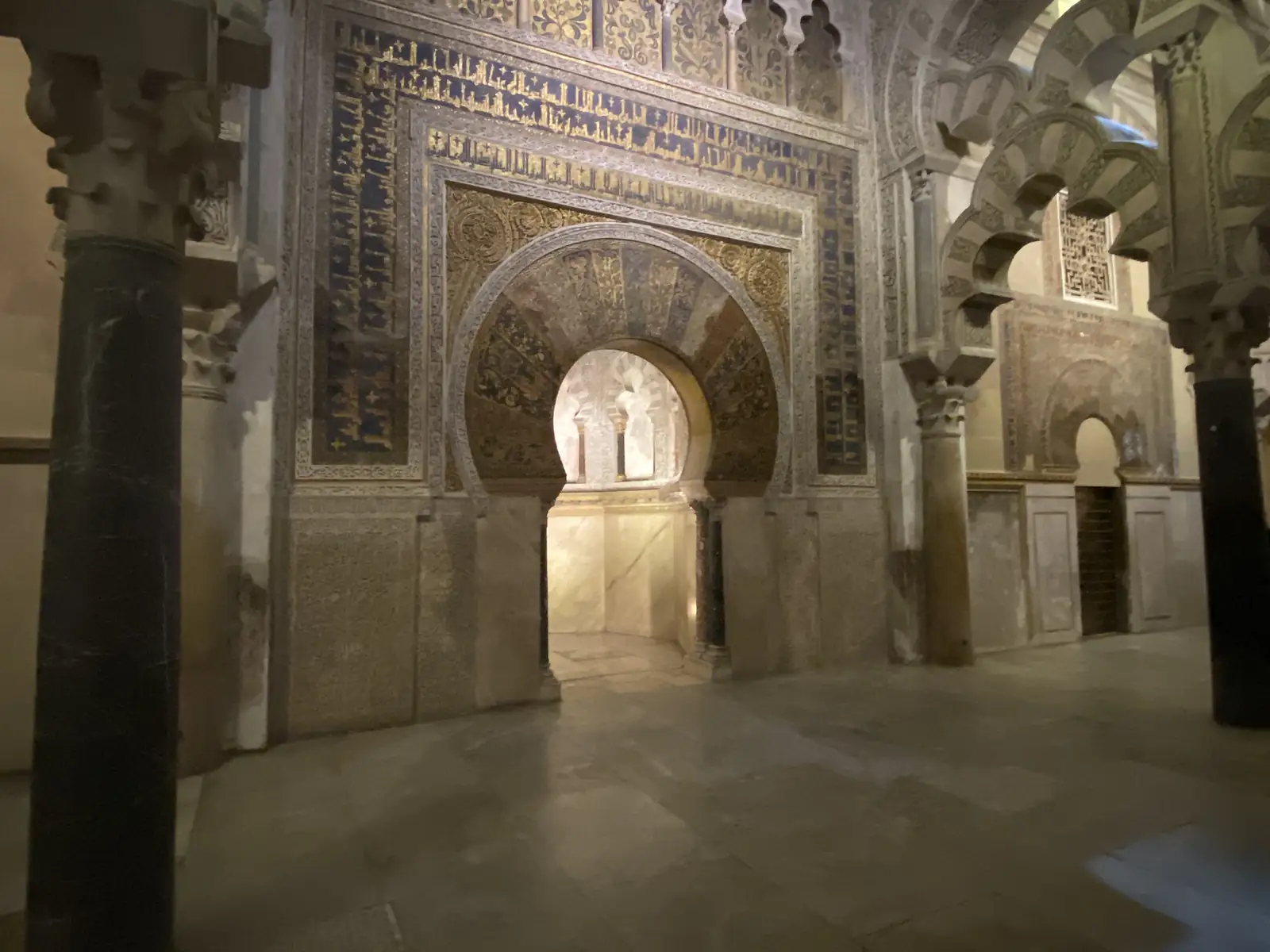
- Mosque Cathedral. The prize jewel of Córdoba and one of the most amazing buildings you’ll ever get to walk freely around.
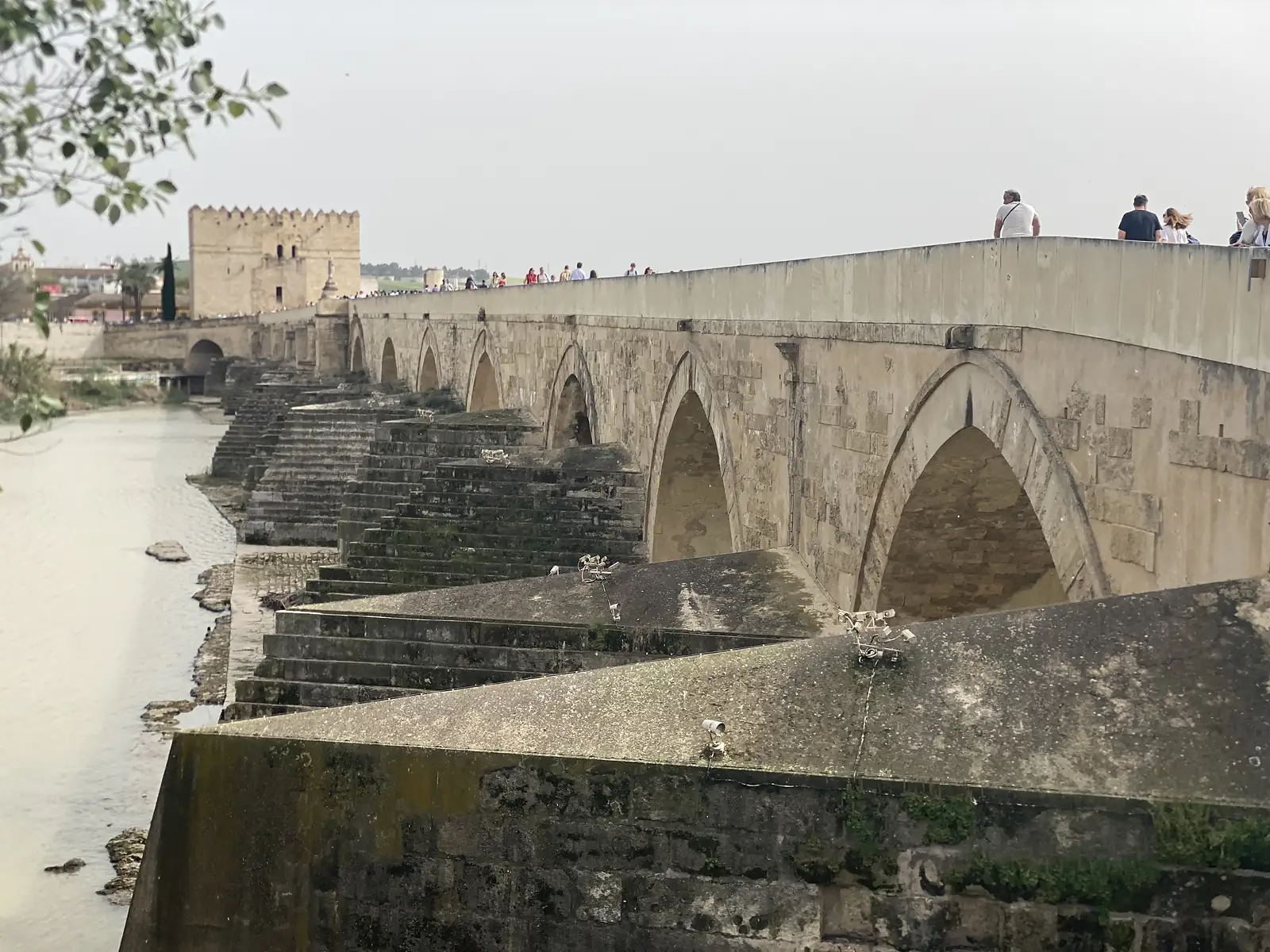
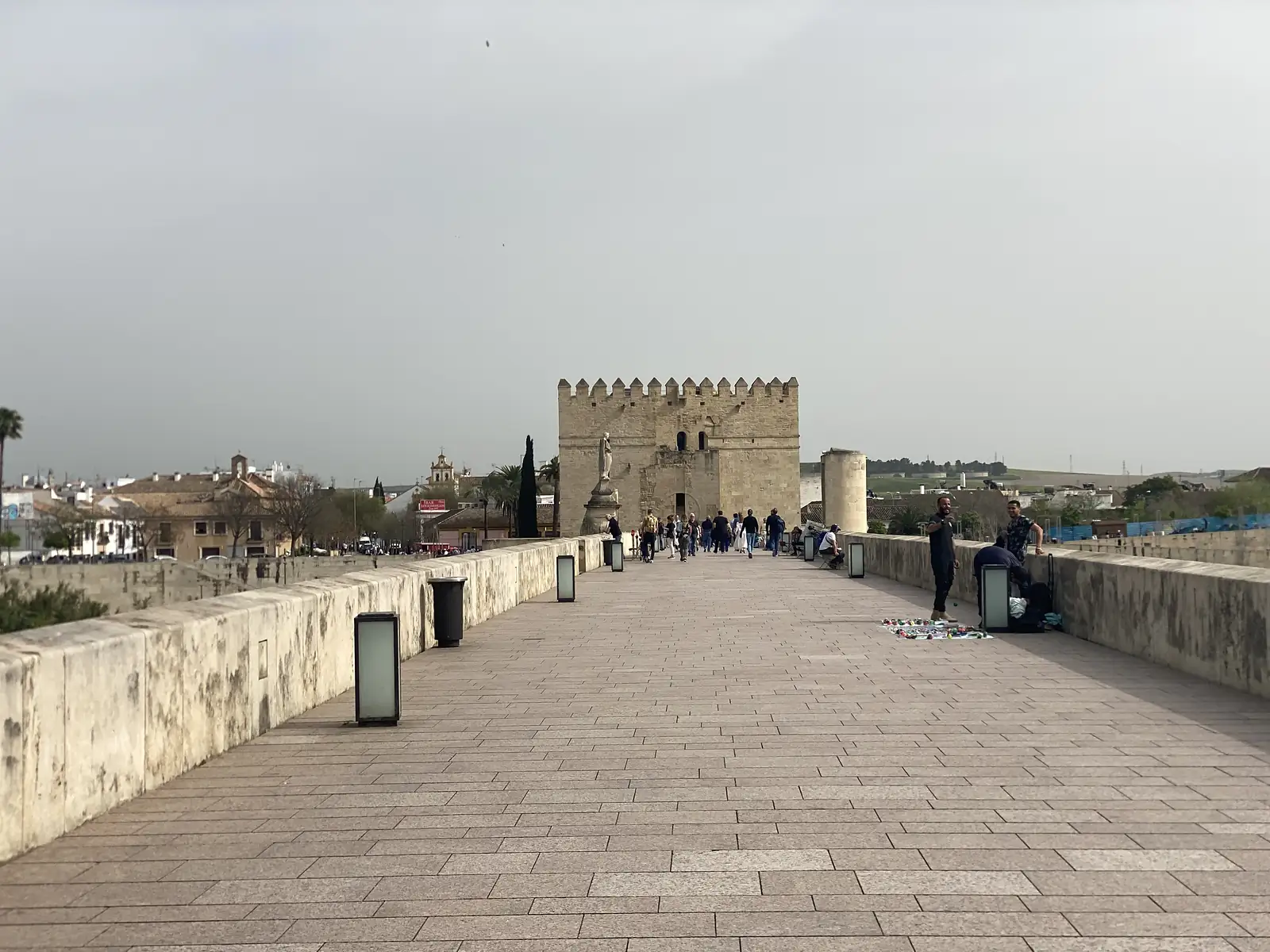
- Following the route I’ve described, the Roman bridge is about the last thing you’d arrive at. Spanning the Guadalquivir for centruries it is now pedestrian with a tower at the far side affording great views back over Córdoba.
Route map
Open in KomootGetting there and back
If you’re doing this as a Córdoba day tour then rent a bike in town and take the train to Posadas. You’ll also skip the hardest part of the trip if you start there, but you’ll miss the Roman quarry and the dolmen (which are historically interesting, but aren’t anywhere near as physically impressive as other highlights).